Tag: xiaomi

  • More Xiaomi devices receive HyperOS 3 powered by Android 16

    More Xiaomi devices receive HyperOS 3 powered by Android 16

    With HyperOS 3.0, Xiaomi is intensifying its efforts to offer Android 16. At last, older Xiaomi smartphone models are catching up. Is this the company’s most ambitious Android update cycle to date?

    It is difficult to bring significant Android updates to the front row given Xiaomi’s extensive selection of Android devices. Android 16’s pace has improved somewhat since its skinned HyperOS 3 was released on a few models in August and September, with the global release scheduled for October. With more phones, especially older models, receiving a taste of fresh Android software, the business has now taken a bigger step before the year ends.
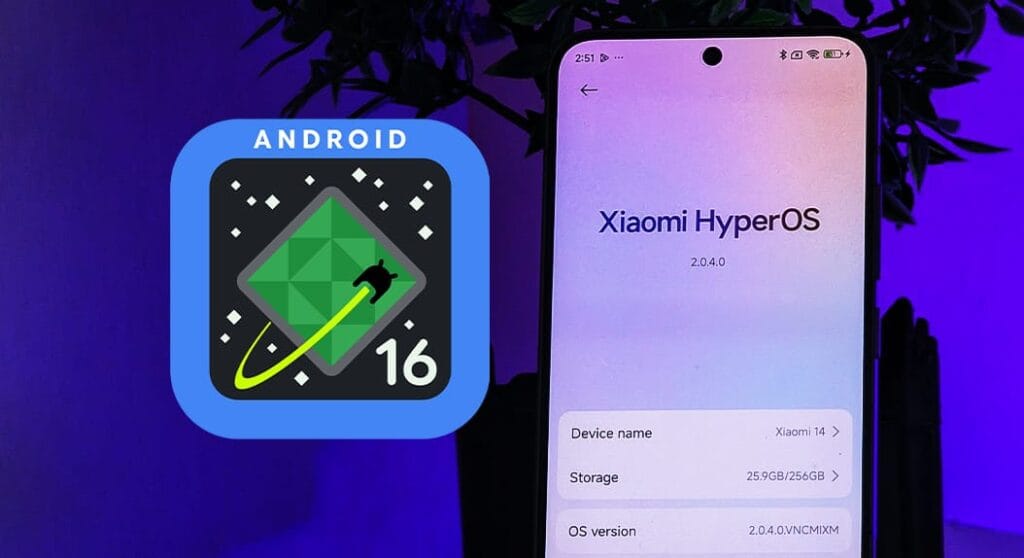
    HyperOS 3 update with Android 16

    More Xiaomi Devices Get Android 16

    Xiaomi just released HyperOS 3.0 on a number of smartphones in its own country. Among them are popular mid-range devices such as the Redmi Note 13 Pro (Plus), Redmi Note 14 Pro (Plus), and Redmi Note 15 Pro (Plus). It is strange that the Redmi Note 15 Pro was not included in the initial batch, given they were released in 2023, 2024, and 2025, respectively.

    The Xiaomi 13 series, which includes the 13 Pro and 13 Ultra (review), is also covered in the release. The 13 Ultra was released a few months after the previous two, which made their premiere in the end of 2022. What does this imply for phones that are sold outside of China, then?
    android 16 HyperOS 3 phone in hand

    What Makes HyperOS 3.0 Worth the Wait?

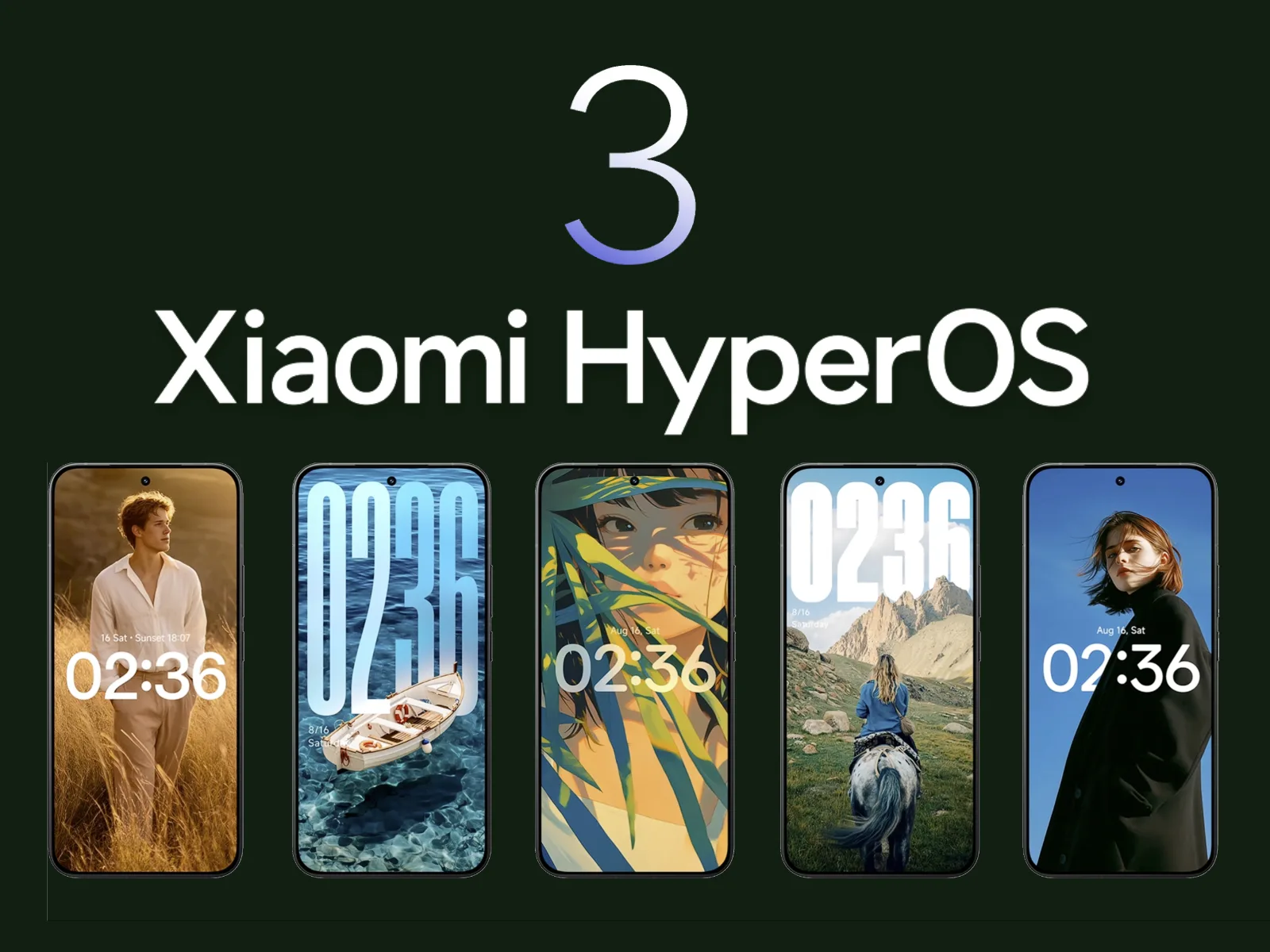
    With multiple UI modifications, HyperOS 3.0 is a more exciting version than HyperOS 2.0. App icons and system text, as well as the home screen and quick settings, all have a more contemporary and tidy appearance. AI wallpapers and new styling are also added to the lock screen. The Super Island, which displays dynamic and live widgets using the notch, is a more noteworthy visual innovation.
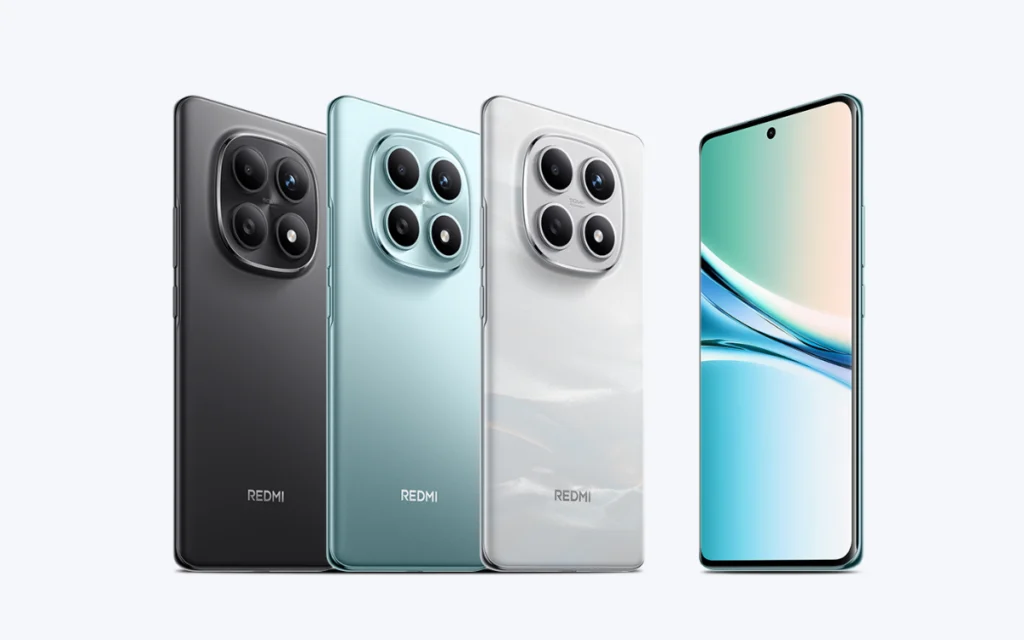
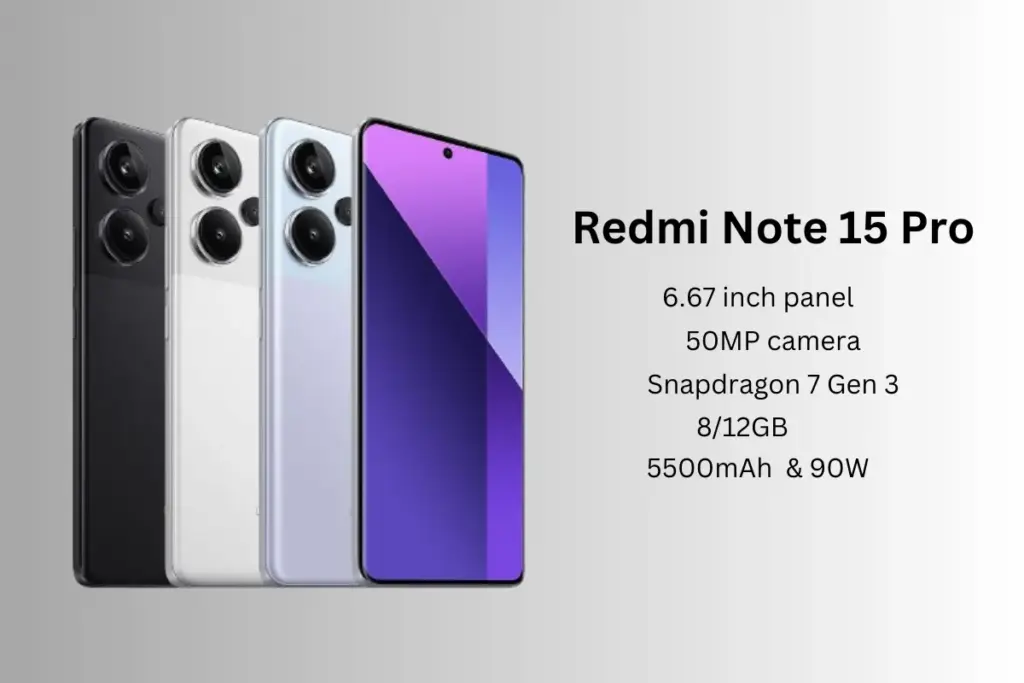
  • Global debut for the Redmi Note 15 series as sales kick off next week

    Global debut for the Redmi Note 15 series as sales kick off next week

    Beginning with an unexpected soft launch in Poland, the Redmi Note 15 series has been formally released to international markets. This new selection advances Xiaomi’s objective of bolstering its mid-range portfolio by bringing significant improvements in display quality, battery life, and camera capabilities. The series’ models, which debuted in China in August of last year, are now available to consumers worldwide with competitive price and a refined feature set.

    Redmi Note 15 series

    Pricing and availability

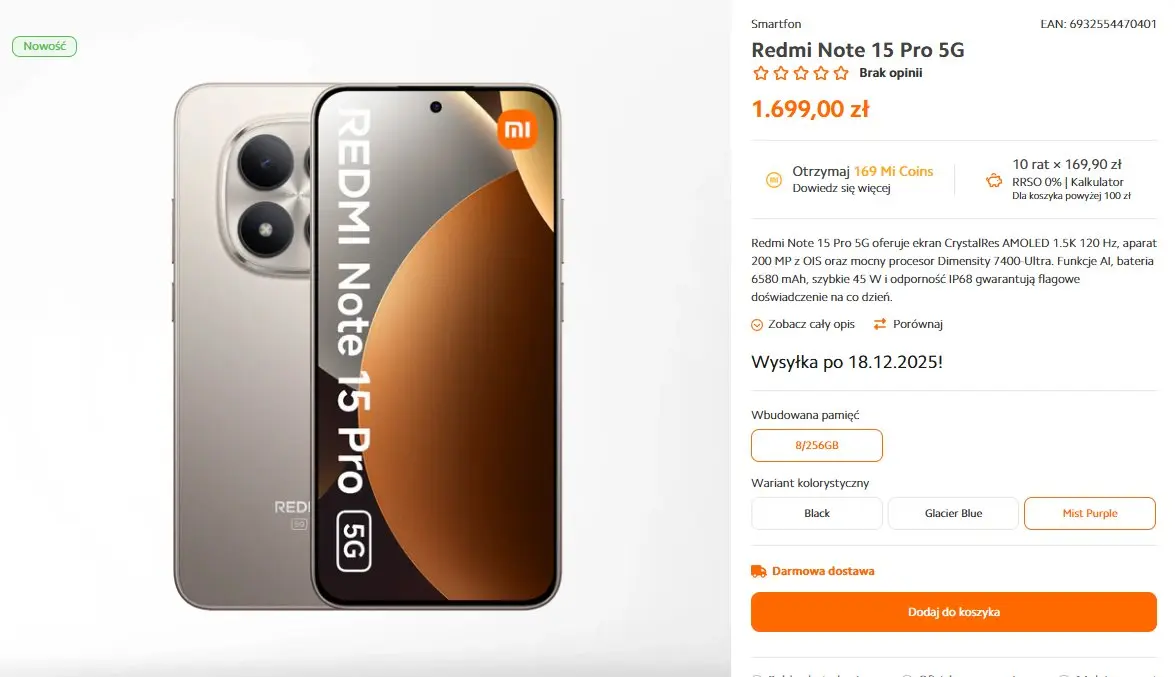
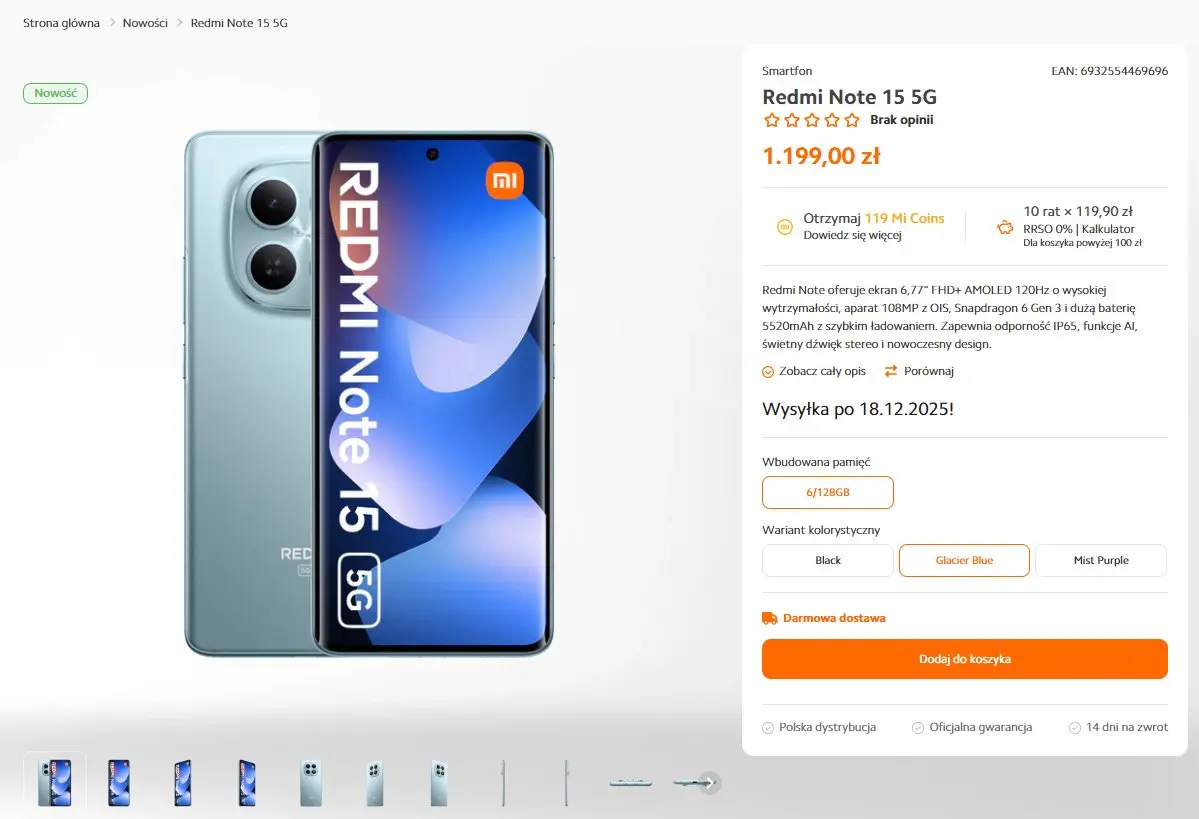
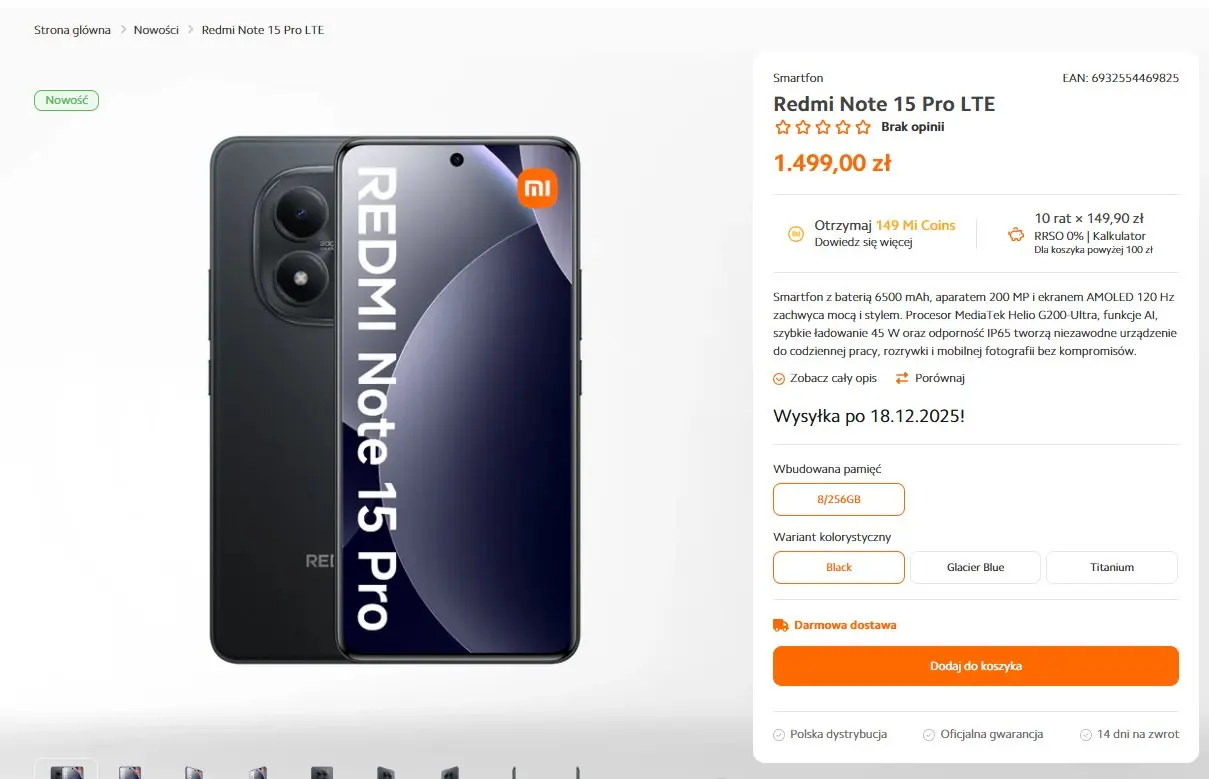
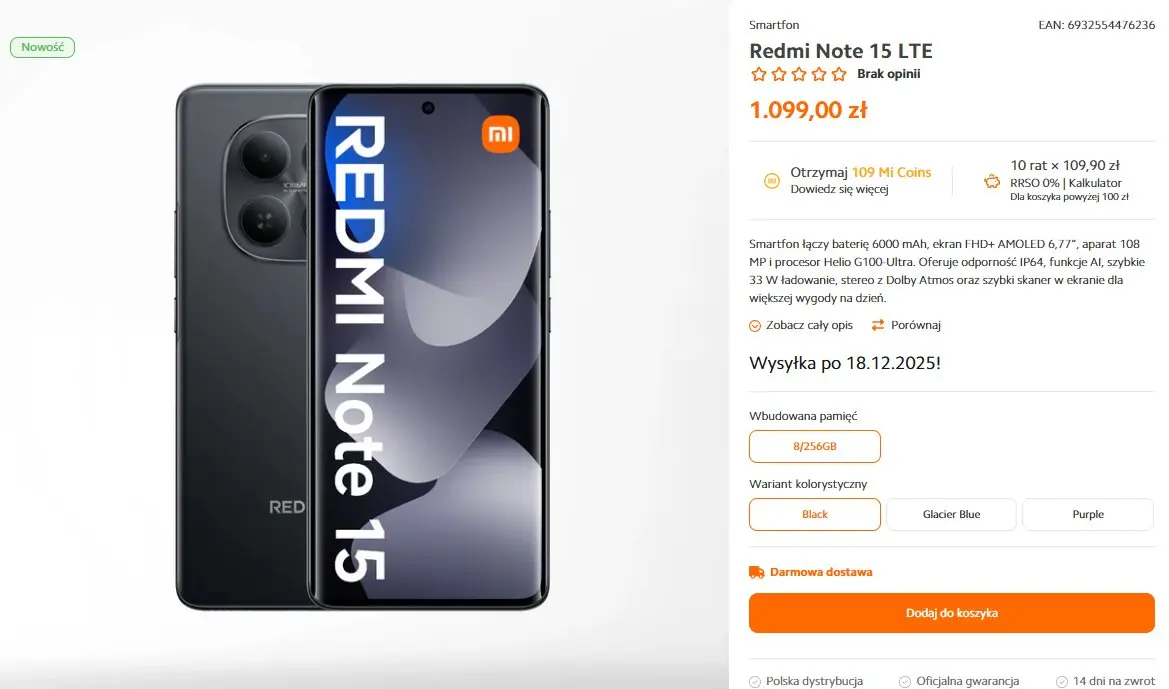
    Both LTE and 5G models of the Redmi Note 15 family will be available in Poland, and shipping will start in a week. This makes it one of the series’ first international releases this season. The prices shown below have been converted to USD for better comparison, however bear in mind that they are local Polish listings:

    ModelPoland PriceApprox. USD
    Redmi Note 15 LTE1,099 PLN~$290
    Redmi Note 15 5G1,199 PLN~$315
    Redmi Note 15 Pro LTE1,499 PLN~$395
    Redmi Note 15 Pro 5G1,699 PLN~$445
    Redmi Note 15 Pro+ 5G (8/256 GB)1,999 PLN~$520
    Redmi Note 15 Pro+ 5G (12/256 GB)2,299 PLN~$600

    For buyers seeking a robust media performance and extended battery life without going above flagship costs, the Redmi Note 15 series’ pricing puts it in a balanced position.

    Specs

    The Redmi Note 15 lineup’s chipset options are further divided by the various connectivity configurations. To maximize thermal stability and performance efficiency, Xiaomi keeps dividing its LTE and 5G models along CPU family lines.

    A thorough comparison of the four primary models can be found below:

    FeatureRedmi Note 15 LTERedmi Note 15 5GRedmi Note 15 Pro LTERedmi Note 15 Pro 5G
    ProcessorHelio G100-UltraSnapdragon 6 Gen 3Helio G200-UltraDimensity 7400-Ultra
    Main Camera108 MP108 MP (OIS)200 MP200 MP (OIS)
    Battery6000 mAh5520 mAh6500 mAh6580 mAh
    Charging33WFast Charging45W45W
    Display6.77″ FHD+ AMOLED6.77″ FHD+ AMOLED 120HzAMOLED 120Hz1.5K CrystalRes AMOLED 120Hz
    IP RatingIP64IP65IP65IP68

    Starting with the Pro 5G model’s 1.5K CrystalRes AMOLED panel, it significantly improves display and camera capability. Additionally, compared to earlier Redmi Note generations, there is more pixel density and improved color accuracy. Simultaneously, the Pro models’ 200 MP OIS cameras provide smoother video capture and improved quality in night pictures.

    With lineups ranging from 5520 mAh to 6580 mAh for prolonged everyday use, Xiaomi maintains its battery-focused strategy. The Pro versions strike a solid mix between battery health and recharging speed with their 45W rapid charging.

    Xiaomi’s consistent progress into the mid-range market is embodied in the new Redmi Note 15 series. The series is expected to generate a lot of attention worldwide, especially through channels like Google Discover and local online merchants, thanks to its enhanced screens, large batteries, and potent high-resolution cameras. These are expected to be among the most feature-rich and accessible in their class when shipments begin next week.

  • POCO F6 Pro receives HyperOS 3 with Android 16 and Super Island

    POCO F6 Pro receives HyperOS 3 with Android 16 and Super Island

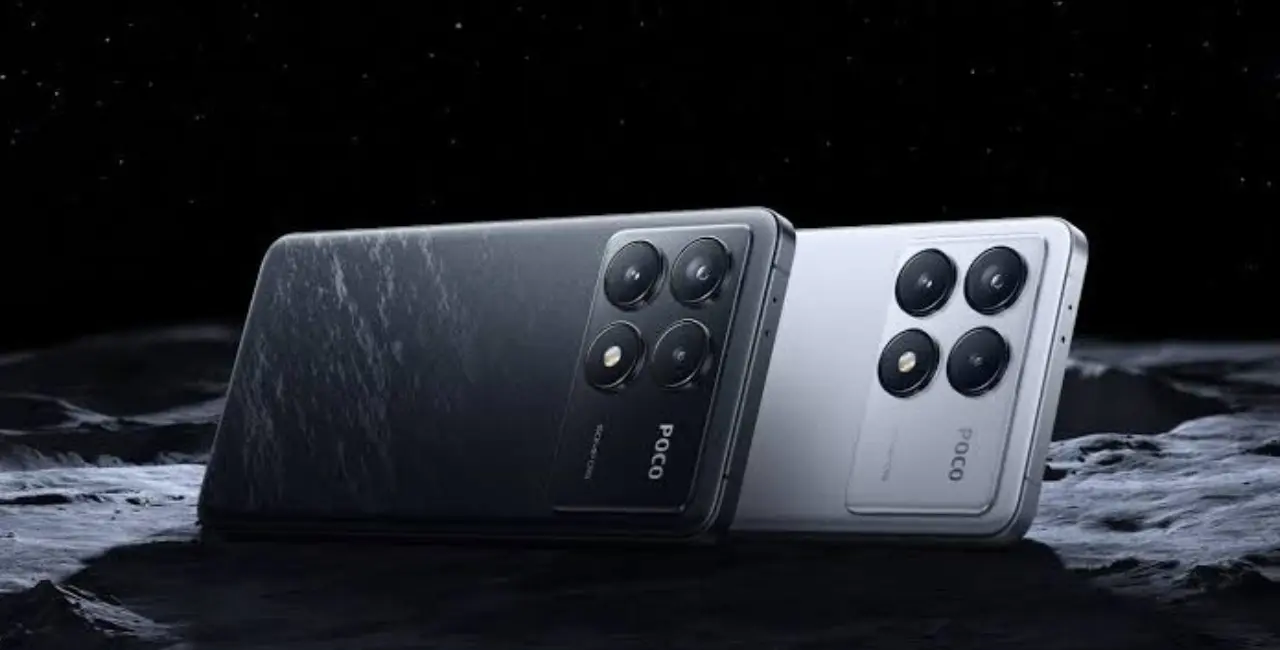
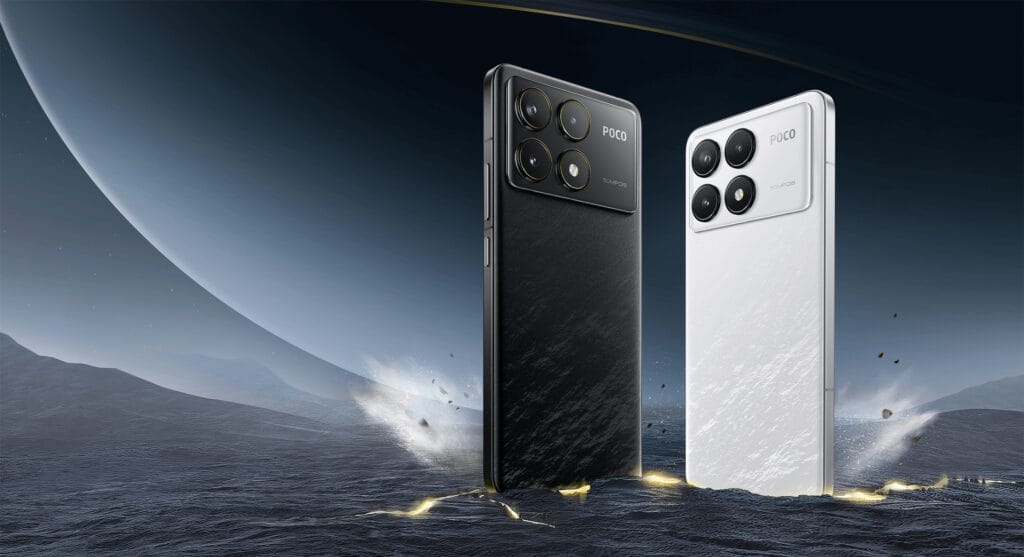
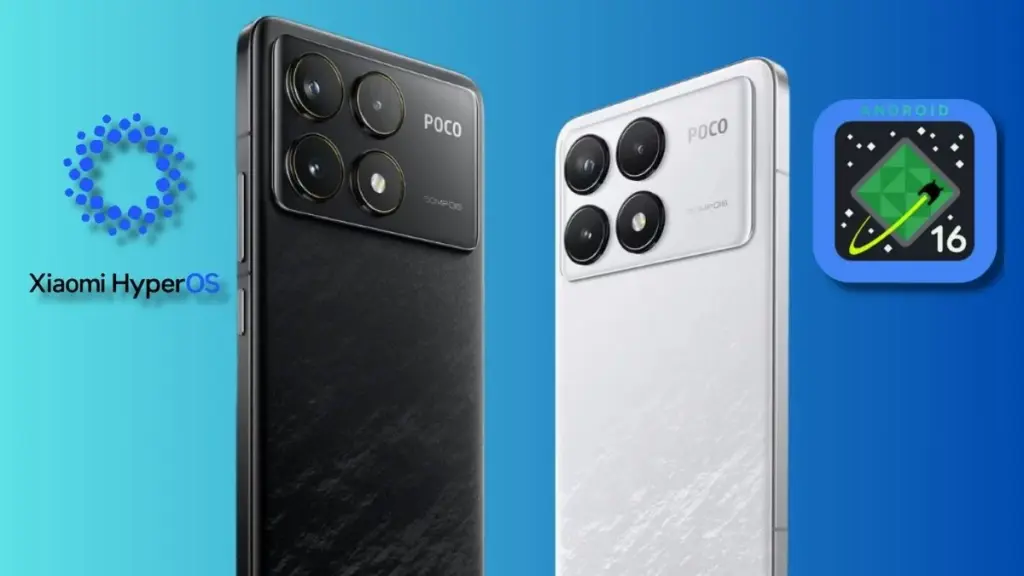
    With the official release of the HyperOS 3 upgrade for the POCO F6 Pro, which is based on Android 16, Xiaomi’s worldwide flagship platform has undergone a significant software evolution. Smoother visual interactions, AI-level system enhancements, and performance stability for demanding users are the main goals of this update. The upgrade, which is presently accessible via the official Recovery ROM channel, validates Xiaomi’s long-term software plan for high-end POCO devices.

    Poco F6 Pro receives HyperOS 3 based on Android 16

    For the worldwide version of the device, which is internally connected to the Redmi K70 platform, a new firmware known as OS3.0.4.0.WNKMIXM has been made available. According to the update, POCO’s flagship lineup is in line with Xiaomi’s most recent system design and long-term Android policy. In everyday usage scenarios, such as gaming, multitasking, and professional workloads, HyperOS 3 is designed to provide more responsive animations, lower power consumption, and stronger system-level intelligence.

    Tech details

    The update strengthens system stability and modernizes the user interface while keeping a consistent business-grade experience.

    • Device codename: vermeer_global
    • Base system: Android 16
    • Build number: OS3.0.4.0.WNKMIXM
    • Distribution type: Recovery ROM
    • Region: Global (POCO F6 Pro / Redmi K70 platform)

    What is new?

    A more organized and effective visual language that prioritizes practical usability over ostentatious visual elements is introduced in HyperOS 3. While maintaining Android’s flexibility, Xiaomi has improved program icons, created a better notification hierarchy, and introduced a more seamless version of the iOS-style interaction experience. Super Island is a new feature that improves multitasking by enhancing the behavior of mini-widgets, background processes, and floating windows throughout the system.

    Main updates

    Users receive a balanced combination of performance, visual, and AI-level upgrades:

    • Advanced AI system optimizations for background tasks
    • Refreshed system icons with better visual clarity
    • iOS-style visual flow with improved gesture animations
    • Super Island for smarter floating windows and task continuity
    • Enhanced battery efficiency under heavy usage
    POCO F6 Pro update android 16 and hyperos 3

    Currently available through Recovery ROM, the HyperOS 3 upgrade is designed for POCO F6 Pro devices worldwide. By releasing this build in stages to guarantee long-term dependability, Xiaomi continues to uphold regional stability. Users are urged to stay away from unofficial downloads and adhere to Xiaomi’s official update policy.

  • Xiaomi silently discontinues software updates for two models

    Xiaomi silently discontinues software updates for two models

    Xiaomi has quietly stopped supporting software updates for the Redmi 12C and its international counterpart, the POCO C55. No new firmware, including HyperOS 2, has been released in the last two months, and the devices were last updated with the October 2025 security patch. These devices are anticipated to become officially EOL in February 2026, according to Xiaomi’s internal software roadmap.

    Redmi 12C and POCO C55 are being retired organically

    Why these devices eeached EOL

    For its entry-level series, Xiaomi has clear updating policies. The POCO C55 and Redmi 12C were marketed as reasonably priced smartphones designed for everyday use, typically with shorter support cycles.

    Each device finished its usual update window with HyperOS maintenance releases and Android fixes prior to hitting EOL. This change is intended to allow Xiaomi to focus attention on more recent models and maintain system stability throughout the ecosystem.

    Expected End of Life Timeline

    • Last update: October 2025 security patch
    • No updates released: November–December 2025
    • Official EOL: Scheduled for February 2026
    • Affected models:
      • Redmi 12C (China)
      • POCO C55 (Global)

    What you can do if you device reached EOL

    Users can still improve device stability by updating compatible system apps even after system firmware updates have ceased. Xiaomi smartphone owners have two reliable options:

    Recommended Update Channels

    • HyperOSUpdates.com: provides direct links to Xiaomi system app packages.
    • MemeOS Enhancer app on Google Play – allows users to update system apps, enable hidden features of Xiaomi, and manage interface components smoothly.

    EOL does not automatically affect device functionality, and users may still experience adequate performance for daily tasks.

    With smartphones that offer increasingly better performance and longer support cycles, Xiaomi continues to broaden its selection of reasonably priced products. As part of the broader shift to the enhanced environment offered by HyperOS and more efficient update delivery, devices like the Redmi 12C and POCO C55 are being retired organically. A more explicit software policy is anticipated in upcoming budget releases.

  • Xiaomi 17 Ultra Leica Leitzphone Edition was listed in GSMA database

    Xiaomi 17 Ultra Leica Leitzphone Edition was listed in GSMA database

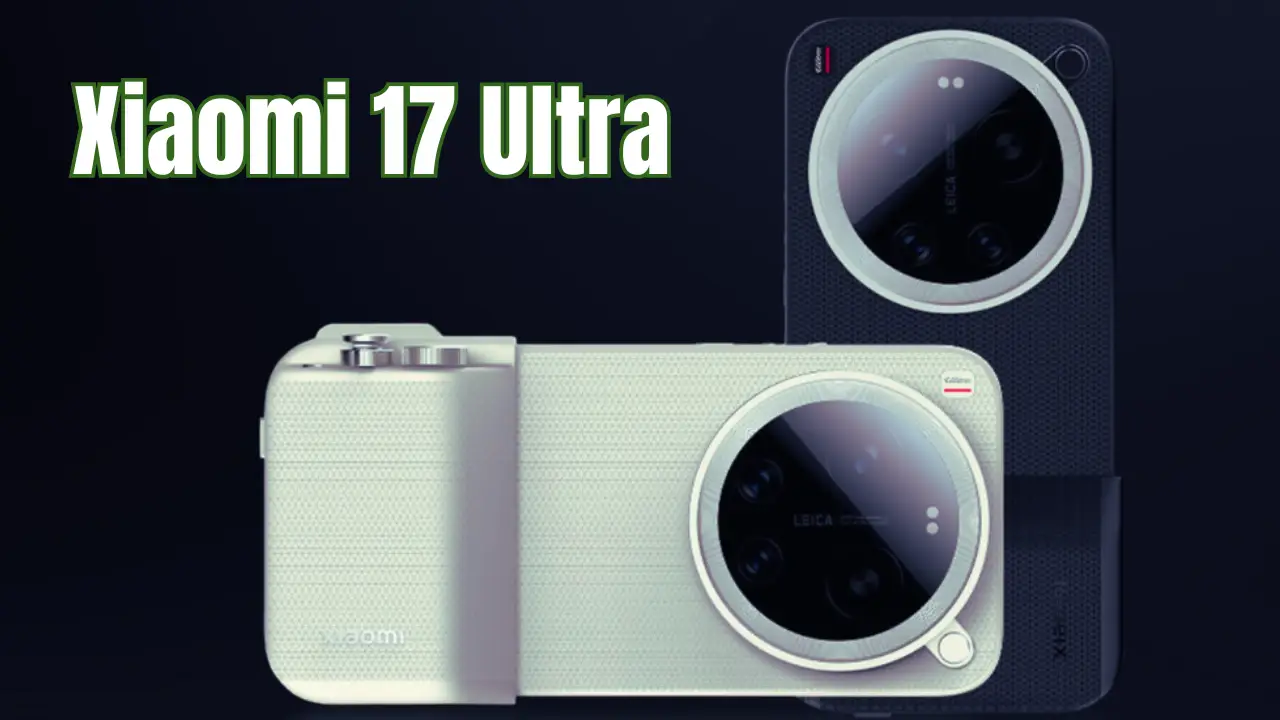
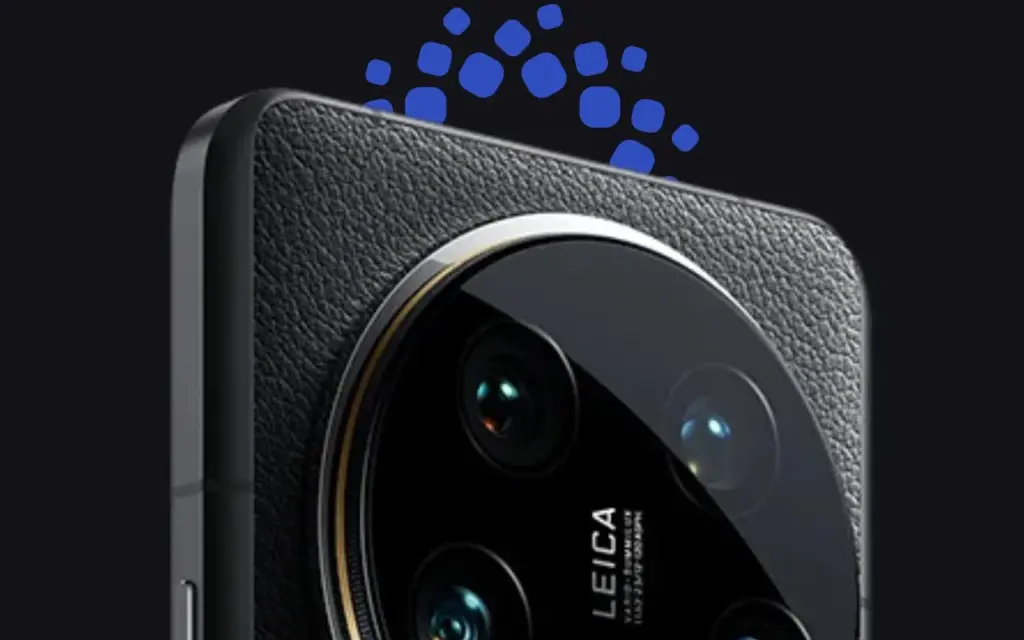
    Xiaomi seems to be advancing its long-standing collaboration with German optics behemoth Leica as the battle for flagship smartphones with cameras gets more intense every day. A fresh item found in the IMEI database indicates that the company is working on a far more ambitious project, despite the fact that leaks on the basic version of the Xiaomi 17 Ultra have recently dominated tech news. Known as the “Leica Leitzphone powered by Xiaomi,” this new model distinguishes out as a limited edition designed to combine performance and luxury in mobile photography.

    Xiaomi 17 Ultra comes in 2 variants

    Recently, the first specific details about the Xiaomi 17 Ultra series surfaced. The first variation was identified as having the product number “2512BPNDAG,” and it was found that this device’s internal codename is “P1.” It is anticipated that this model will be made available as the series’ standard “Ultra” model. The really intriguing change, though, was the addition of a second variation with a whole new naming structure to the IMEI database.

    The model number of the recently discovered record is “25128PNA1G,” and the device’s internal codename is “P1S.” Here, the “S” suffix is believed to stand for terms like “Special.” The marketing name for this model is specifically stated as “Leica Leitzphone powered by Xiaomi” in the GSMA records. This suggests that Xiaomi may use the more prestigious “Xiaomi 17 Ultra Leica Leitzphone Edition” or “Xiaomi 17 Ultra Leica Edition” to launch this device.

    This naming has a long history. Ernst Leitz, the man who founded the Leica brand, is the source of the name “Leitz.” Perfectionism in optical engineering is exemplified by the Leitz family, a legend in the field of photography. A global “Leitzphone” initiative with Xiaomi might be Leica’s largest step in the mainstream flagship market, even though the company already produces a “Leitz Phone” series (the most recent being the Leitz Phone 3) carrying its own brand in the Japanese market through a partnership with Sharp. Combining Leica’s optical history with Xiaomi’s manufacturing prowess could produce a gadget that revolutionizes smartphone photography.

    New camera setup

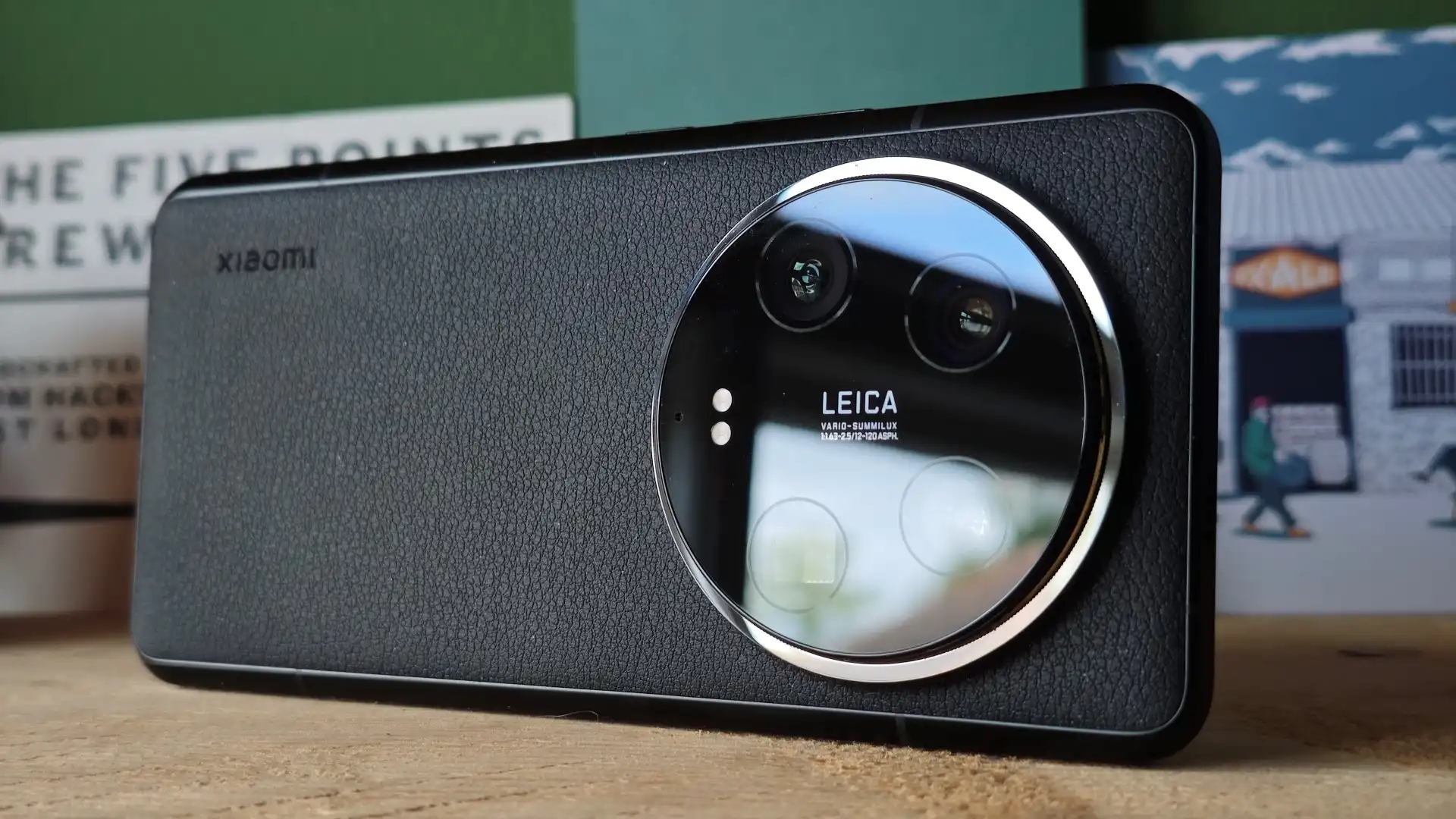
    The back camera arrangement of the device is clearly visible in leaked photos of the “Photography Kit,” dispelling earlier reports of a “quad-camera” configuration. The pictures show that the Xiaomi 17 Ultra will have three cameras rather than four. It is noted that where the fourth lens would normally be, a unique sensor region or space has been left in the module design.

    Xiaomi 17 Ultra Leica Leitzphone Edition was listed in GSMA database

    This suggests that Xiaomi is concentrating on improving the quality and sensor sizes of the current lenses rather than producing more lenses. The following is a list of the sensor setups evaluated under the codename “Nezha”:

    • Main Camera: 50MP OVX10500U (also known as OV50X)  sensor.
    • Telephoto: 200MP S5KHPE
    • Ultra Wide Angle: 50MP OV50M or 50MP S5KJN5.
    • Front Camera: 50MP OV50M

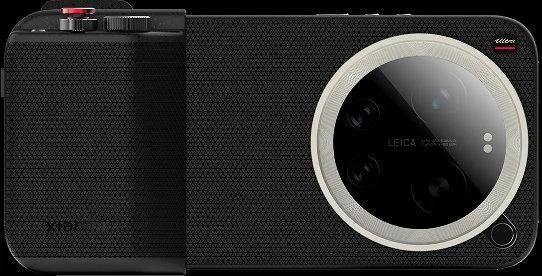
    The switch to a triple camera arrangement is thought to have been an engineering decision made especially to accommodate the larger primary sensor and the enormous 200MP telephoto sensor. A special grip and filter adaptor that converts the device’s ergonomics to that of a DSLR camera also seems to be included in the leaked photography package.

    Xiaomi 17 Ultra Leica Leitzphone Edition black

    Other expected specs

    Hardware-wise, the Snapdragon 8 Elite Gen 5 mobile platform is anticipated to power the Xiaomi 17 Ultra and its exclusive Leitzphone variant. Leica-only image processing techniques and sophisticated AI features will be included in the gadget, which will come pre-installed with the HyperOS 3 operating system. Information also indicates that satellite communication will be supported by the worldwide version.

    The goal of the Xiaomi 17 Ultra series is to be a pocket-sized professional camera in addition to a smartphone. Based on the model number “2512,” these two gadgets, codenamed “P1” and “P1S,” are anticipated to be released in the final quarter of 2025 (December 2025), and they are projected to completely change the landscape of mobile photography.

  • Xiaomi rolls out major Security V12 update with improved Game Turbo

    Xiaomi rolls out major Security V12 update with improved Game Turbo

    The Security V12 generation of Xiaomi’s standard Security app has finally been released with a significant update. The most recent build, V12.0.3-251114.1.1, is mostly concerned with modifications to the system infrastructure. However, as the new build offers a whole redesign of the Game Turbo interface and sophisticated system optimization logic, this would be quite intriguing for those waiting for the release of the next HyperOS stage. With this upgrade, Xiaomi is at last getting ready for a significant change in the management of background operations and the optimization of gaming performance on devices throughout the world.

    Xiaomi rolls out major Security V12 update

    Increased optimization in new Security V12

    The Security V12 branch has been made available to the public for the first time with this build. The Security V12 series is a package deal of significant architectural improvements that align with next system versions, in contrast to the incremental updates that preceded it. The improved optimization engine, which promises to clear caches and free up memory without disrupting user activity, is especially noteworthy in the changelog. Thus, the move to version 12.0.3 would suggest that Xiaomi is preparing for more demanding software applications, maintaining devices’ responsiveness and fluidity during more taxing operations.

    Enhanced gaming capabilities

    However, the improved Game Turbo module is the most notable feature of this version. Performance modes and floating windows can now be accessed more quickly thanks to Xiaomi’s UI optimization. In order to prioritize frame rates and network stability during gameplay, new optimization algorithms operate in the background in silent mode. With much lower latency and input lag, enthusiasts who use their devices for competitive gaming will notice how much more seamless the transition from the game to system notific

    How to update

    To update the Security app on Xiaomi devices, open the Security app and scroll to the bottom until you see the Settings or About section. Tap Update (or Check for updates) if available. You can also update it through the GetApps store by searching for Security and installing the latest version. If the update doesn’t appear, make sure your phone is connected to the internet and running the latest MIUI/HyperOS system version, as some Security app updates are bundled with system updates.

    Keeping system applications updated is very crucial for maintaining the security and performance stability of any device. Among such capabilities are unlocking hidden Xiaomi settings, updating other system applications seamlessly, and managing screen refresh rates, among the common updater features.

  • Xiaomi 14 Ultra to receive HyperOS 3 update — main features detailed

    Xiaomi 14 Ultra to receive HyperOS 3 update — main features detailed

    HyperOS 3 is rumored to be under active development for Xiaomi 14 Ultra smartphones. Test servers have now marked the update as ready for release, indicating that it has reached the final stage, according to recent reports.

    The upgrade has already begun to arrive on Chinese Xiaomi 14 Ultra devices, and sources say the worldwide version is also ready for release. This Android 16-based upgrade is scheduled to begin spreading out before November ends.

    On internal servers, Xiaomitime found HyperOS 3 marked as distribution-ready. The worldwide build has the version OS3.0.3.0.WNAMIXM, tied to the Xiaomi 14 Ultra’s codename “Aurora,” with the status expressly described as “ready for stable rollout.” For comparison, the upcoming global build uses OS3.0.3.0.WNAMIXM, while the Chinese version debuted with OS3.0.4.0.WNACNXM.

    hyperos 143 update for xiaomi 14 ultra

    HyperOS 3 update for Xiaomi 14 Ultra: Key Features

    HyperOS 3 is supposed to feature a new UI with smoother animations and visual upgrades. The update focuses on minimizing stuttering and correcting battery-drain problems, while also delivering the latest security fixes and a powerful set of AI-powered capabilities.

    Instant access to real-time information and alerts is made possible by Xiaomi Super Island’s stronger integration with multimedia apps and system features. Revamped media management and creativity capabilities include a new dedicated pet album that automatically finds and arranges pet photographs and a revised watermark system and advanced editing suite.

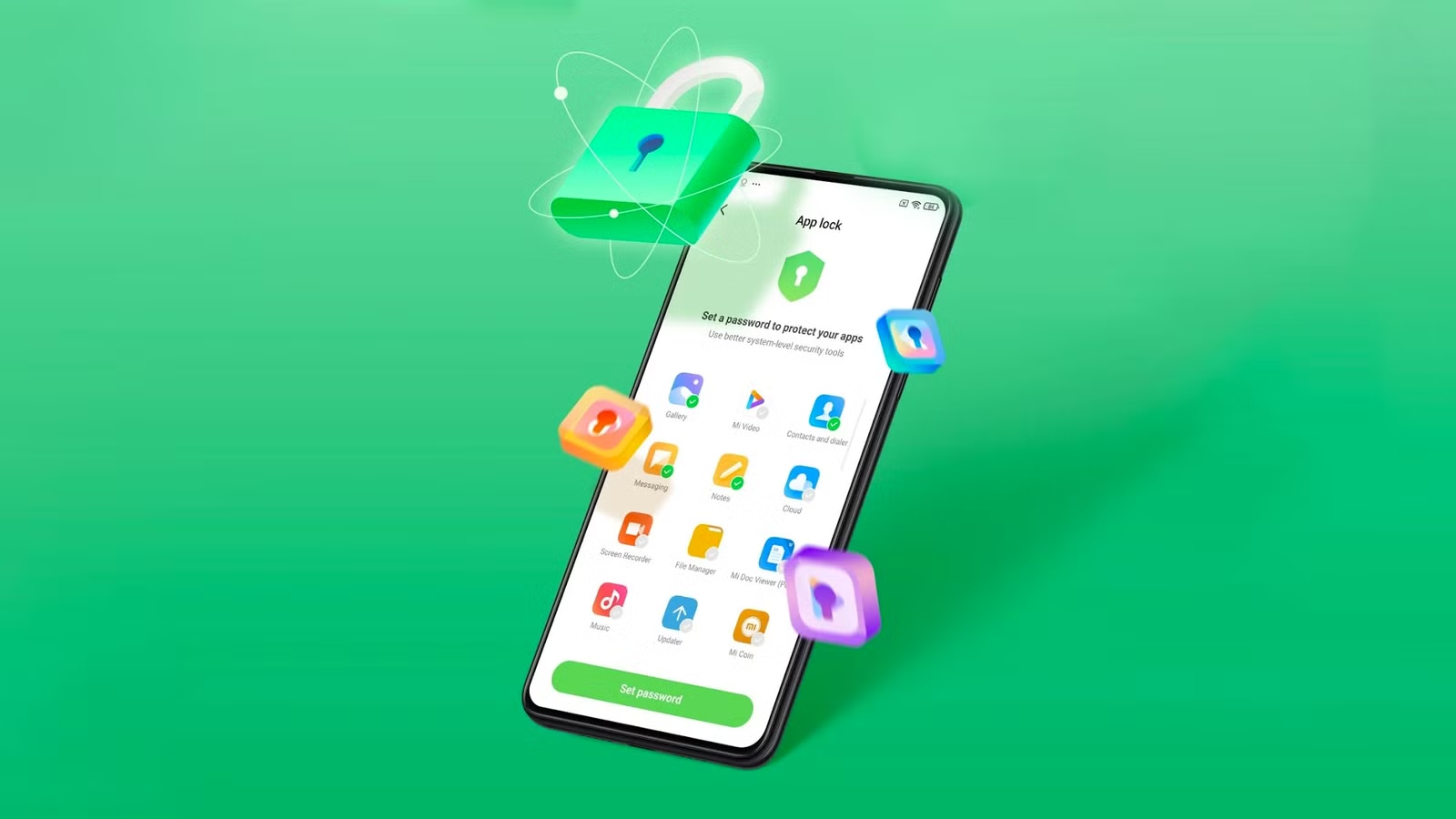
    The option to drag music straight to share, facial recognition support for app-lock notifications, improved connectivity with Xiaomi Music and NetEase Cloud, and NFC card swipe notifications within Super Island are some further new features.

  • HyperOS 3: Xiaomi Confirms Poco Phones Eligible for the Android 16 Update

    HyperOS 3: Xiaomi Confirms Poco Phones Eligible for the Android 16 Update

    Xiaomi is closing out the year with fresh Poco flagships and a huge HyperOS 3.0 update based on Android 16. From new phones to a revised UI, here’s what’s rolling out and when you can expect it on your smartphone.

    Xiaomi has more phones to release this year. The worldwide versions of the Poco F8 Pro and F8 Ultra were just released. The company has revised the HyperOS 3.0 deployment schedule, which is now expected to reach over a dozen Poco phones and tablets, in tandem with the surge of new hardware.

    The new Poco F8 Pro and Poco F8 Ultra flagships ship with Android 16 out of the box. Other models will be released on a staggered schedule.

    Xiaomi Confirms Poco Phones Eligible for the Android 16 Update

    Which Poco devices are confirmed to get HyperOS 3.0

    For the initial group of Poco devices, the deployment started in October and will last until the end of November. The Poco F7 and X7 series from the previous year, including its Ultra variants, are at the top of the list. Some users outside China have already reported receiving the software. However, it’s not uncommon for other devices to only receive notifications in the upcoming days, depending on variations.

    The Poco F6 (Pro), Poco X6 Pro, Poco M7, Poco M6 (Pro), and Poco C75 will lead the following batch in December.

    Between December 2025 and March 2026, a broader release that includes the Poco F5 (Pro), Poco X6, Poco M7 Pro, and Poco C85 is scheduled. Poco’s Android tablets, such as the Poco Pad, Poco Pad X1, and Poco Pad M1, will join these. Regretfully, Xiaomi has not disclosed the timing for every device.

    What’s new in HyperOS 3.0?

    HyperOS 3.0 is built on Android 16, which adds its own set of new features and customizations. Xiaomi’s version offers a substantial user interface overhaul, increased security, and superior optimization for longer battery life and smoother performance.

    The most noteworthy graphic modification is Super Island, inspired by iOS’s Dynamic Island. As a native feature of Android 16, it is integrated into the punch-hole camera region and shows live updates and dynamic widgets.

    The main UI has also been overhauled with transparent parts, blurred backgrounds, and redesigned app icons. Users receive new styles on the lock screen, like as live effects and AI-generated wallpapers.

    Additionally, Xiaomi promises enhanced usability and performance. Multitasking and app switching are stated to be snappier, while overall responsiveness is quicker.

    Permission limits and improved data protection have improved security. In other areas, HyperOS 3.0 provides closer connection with Xiaomi’s wider range of products.

  • Redmi K90 Ultra set for big upgrades, including a 165Hz screen and 8000mAh battery

    Redmi K90 Ultra set for big upgrades, including a 165Hz screen and 8000mAh battery

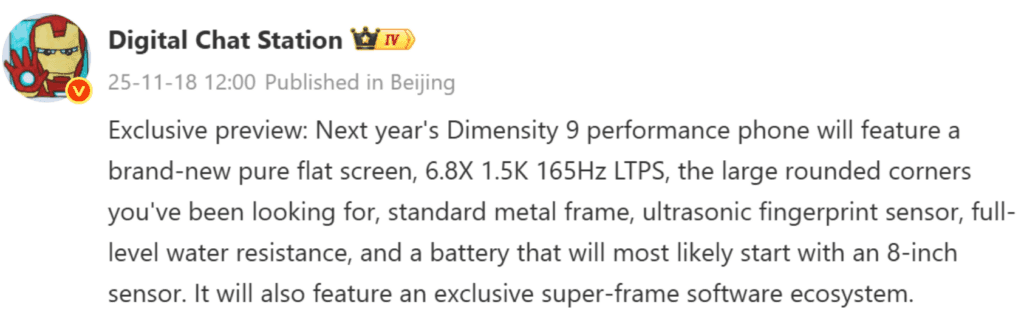
    The Redmi K90 Ultra, which will probably arrive in China in a few months, is already being discussed in the rumor mill after Redmi unveiled the K90 and K90 Pro Max in October. Digital Chat Station‘s early information suggests significant improvements over the current models, providing a first glimpse of Xiaomi’s potential lineup expansion. The information provides a first look, and as launch draws near, more clarity is probably in store.

    Redmi K90 Ultra key specs

    The Redmi K90 Ultra is anticipated to include a 6.8-inch LTPS OLED display with a 1.5K resolution and a quick refresh rate of 165 Hz, according to the leak. The device may include a metal central frame for increased durability, and the screen is rumored to feature rounded corners.

    Strong water protection is also anticipated, which is consistent with the stronger resistance ratings of more recent high-end models. An improved audio system and an ultrasonic in-display fingerprint scanner are two more anticipated enhancements.

    redmi k90 leak

    Battery capacity appears to be one of the most notable features. According to rumors, the phone would have a battery of about 8,000 mAh, which is a significant improvement over the K90 Pro Max and earlier Ultra models. Additionally, a specialized high frame rate software layer that could improve the overall performance profile—particularly for gaming—is hinted at by the tipster.

    According to reports, the MediaTek Dimensity 9 series chipset powers the Redmi K90 Ultra. This might be the Dimensity 9500 Plus, which is expected to be released in 2026. The leak characterizes the Ultra as a performance-focused model, implying that photography may continue to be at a respectable but not flagship-leading level, even though camera details have not been disclosed.

    The K80 Ultra’s June 2025 release cycle is anticipated to be followed by the K90 Ultra. The K90 Ultra might make its Chinese debut around the middle of 2026 if Xiaomi sticks to this schedule. It’s possible that a modified K90 Ultra may go on sale as a Xiaomi flagship worldwide.

  • Redmi is testing smartphone with massive 10,000mAh battery

    Redmi is testing smartphone with massive 10,000mAh battery

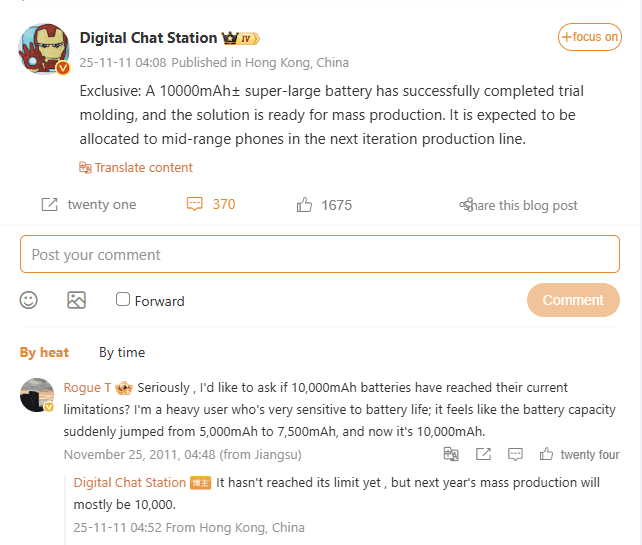
    Xiaomi May Rethink Mid-Range Battery RegulationsChinese manufacturers are working to overcome the barrier beyond 7,000mAh and 8,000mAh batteries as smartphone battery technology continues to advance. According to reputable industry sources and well-known leakster @DigitalChatStation, the trial molding process has been completed, and the new 10,000mAh± battery is about to go into mass production. Xiaomi and Redmi are probably going to include this innovative battery into one of their upcoming mid-range phones.

    In its products, Xiaomi has always placed a strong emphasis on battery life and energy efficiency. Therefore, the creation of a 10,000mAh-class battery is a significant step toward the realization of smartphones with longer battery lives, which is one feature that consumers are very excited to see improved in smartphones. It is expected that a Redmi device will use the technology.

    10,000mAh battery leak redmi

    Since fitting a battery with a 10,000mAh capacity is technically difficult in terms of weight and thermals, this development demonstrates Xiaomi’s determination to balance capacity and design usability.

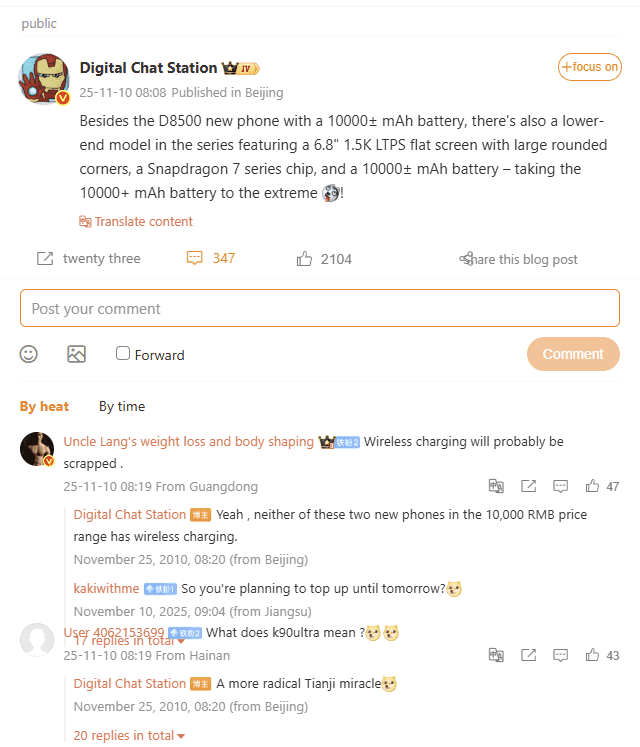
    Two smartphones will have 10,000mAh± batteries, according to DigitalChatStation. One of the devices has a Dimensity 8500 processor, while another has a 6.8-inch 1.5K LTPS flat display with a Snapdragon 7 series processor. Although these models have not yet been confirmed, it has been speculated that one may be from Xiaomi’s Redmi series because it may be intended to be a “Ultra Battery” variant.

    Surprisingly, though, neither gadget will support wireless charging. This guarantees that the devices’ long battery life and reasonable cost will maintain their success in the mid-range market.

    10,000mAh battery lead redmi device

    A significant shift in the industry began with the release of smartphones with five-digit battery capacities. In the past, only rugged cellphones and power banks have such capabilities. With Xiaomi’s arrival into this market, battery capacity with such proportions may become more common, providing the business with yet another reason to rank among the top in terms of battery life. Xiaomi will undoubtedly have a significant advantage over its rivals because to this technology.

    Additionally, users would be able to benefit from unparalleled standby times and all-day intensive use without recharging because to HyperOS’s optimization of background operations and hardware resources.