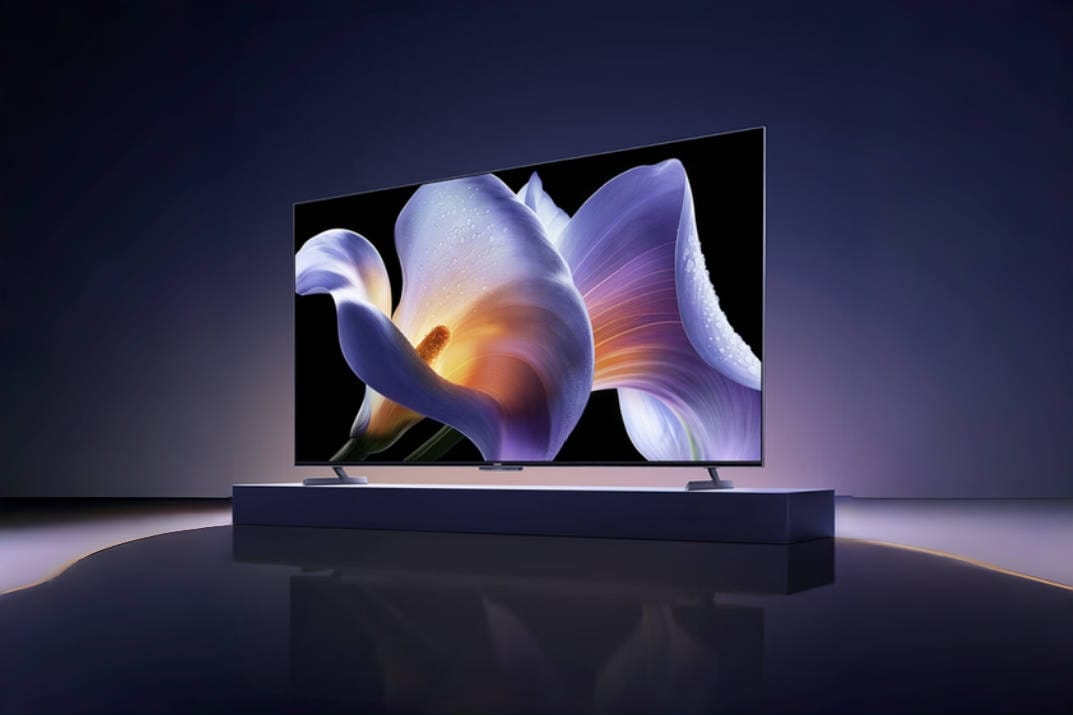
The new TV S Mini LED 2026 from Xiaomi is on its way to global markets. This 4K QD-Mini LED model, which was recently found on the company’s international website, will come in sizes ranging from 55 to 98 inches. The two bigger models offer a natural refresh rate of 144 Hz, and features like Google TV and built-in speakers are available on all sizes.
Global release of the Xiaomi TV S Mini LED 2026 is imminent. Five sizes of this model—55, 65, 75, 85, and 98 inches—were recently added to the brand’s international website. It expands upon the TV S Mini LED 2025, which debuted in Europe at the end of 2024, as the name implies.
The TV S Mini LED 2026 by Xiaomi is a 4K (3,840 x 2,160 px) QD-Mini LED variant. The 55-, 65-, and 75-inch models offer HDR10+, HLG, and Filmmaker mode and have a refresh rate of 60 Hz. The larger 85-inch and 98-inch models enable Dolby Vision and have a refresh rate of 144 Hz. According to reports, all five versions provide brightness up to 1,200 nits, 94% coverage of the DCI-P3 color gamut, and MEMC motion smoothing.
Google TV is used by the 2026 Xiaomi TV S Mini LED, giving consumers access to a variety of streaming services. Apple AirPlay, Google Cast, and Google Assistant are supported. Additionally, each TV includes two 15W speakers; Dolby Atmos is supported by the larger versions. Other changes include wireless connectivity options, including Wi-Fi 5 and Bluetooth 5.0 for the three smaller sizes, and Wi-Fi 6 and Bluetooth 5.2 for the two bigger models. The ports also differ; for instance, the larger TVs have three HDMI 2.1 ports, whereas the smaller three have two HDMI 2.0 ports and one HDMI 2.1 port.
The Xiaomi TV S Mini LED 2026’s release date and price have not yet been announced. The RRPs of the Xiaomi TV S Mini LED 2025 start at €599 for the 55-inch model (now €499 at Mi Store DE), which gives an idea of how much these models might cost.
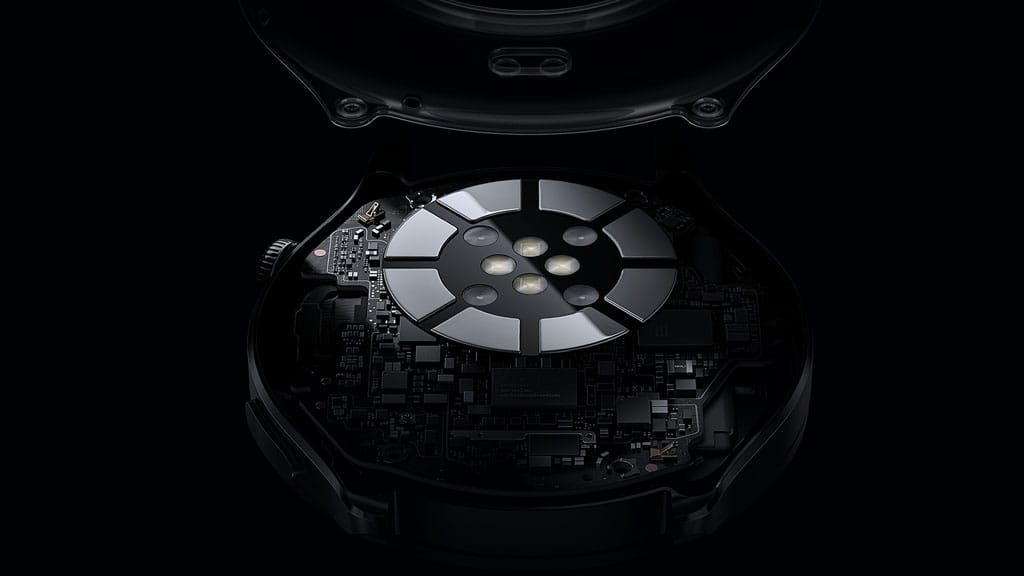
Although the Xiaomi Watch 5 appears to be a typical wearable, its EMG monitoring technology has taken everyone by surprise. It is the first wrist device in history that incorporate an EMG health sensor.
Numerous health aspects are supported by a large number of smartwatches on the market. One of these is the ECG measurement, which monitors your heart rate and provides you with pertinent health information along with suggested activities and routines.
Despite this, the Xiaomi Watch 5 is the first wearable with an EMG sensor. It is a gesture-based technology that provides a more precise definition of your health.
EMG stands for electromyographic signal sensor. It evaluates the health of skeletal muscles and the motor neurons that control them. It’s a test that uses tiny needles to record electrical signals when the muscle rests or contracts.
Looks like Xiaomi has brought this technology to its smartwatch in the form of gesture-based measurement. It is a gesture recognition tech based on the deep fusion of three major sensors.
Xiaomi Watch 5 EMG health sensor
To put it simply, the EMG health sensor can distinguish between various finger and hand movements as well as analyze and evaluate hand muscle activity.
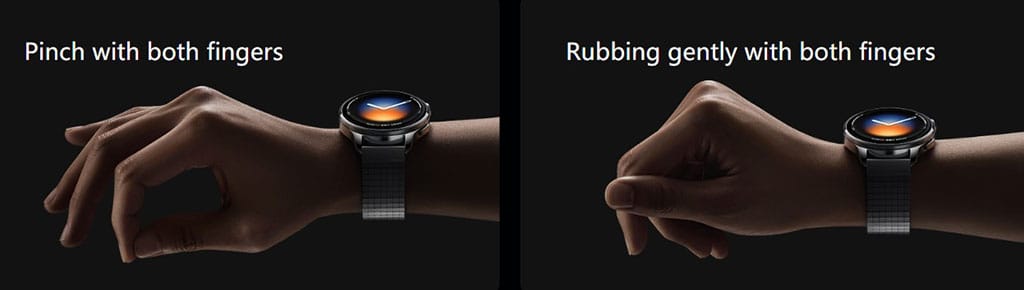
The particular technology is able to identify fine motions by capturing the faint electromyographic signal of the hand’s small muscle groups. It also facilitates creating fist movements, rubbing twice, and pinching once or twice.
How does it operate? Pinching your fingers once or twice can allow you to keep an eye on your muscles. Additionally, you can handle this specific health sensor by gently rubbing with both fingertips.
With its latest product, Xiaomi has significantly advanced the smartwatch health market. It would be interesting to observe what other Chinese companies do to reach this caliber.
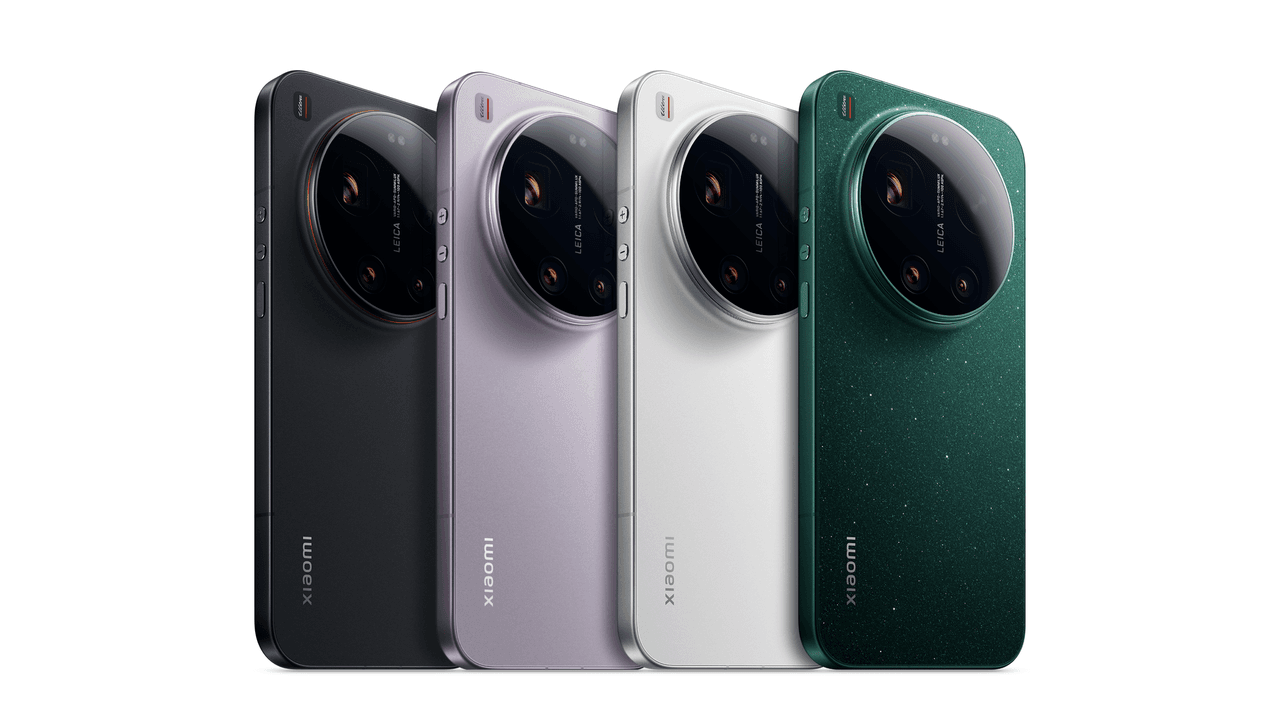
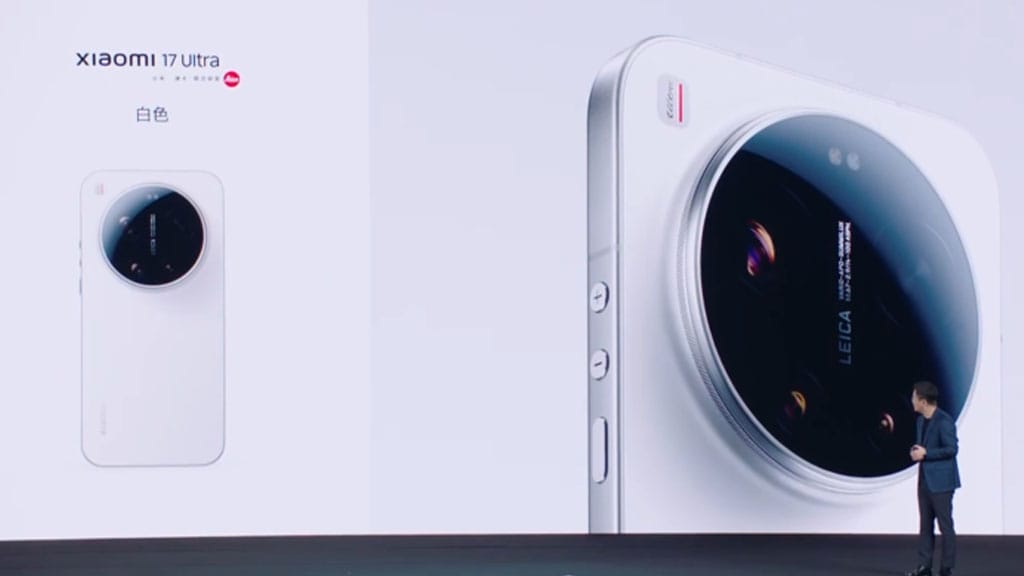
New information retrieved from MI code indicates that the company is developing a global version of the Xiaomi 17 Ultra, which differs significantly from the China-only variant in terms of hardware. In particular, the worldwide version will have a smaller battery. This modification does not affect the device’s basic positioning in terms of performance, but historically, Xiaomi has used similar strategies during international launches, so it is not surprising.
How battery size varies between China and global versions of the device
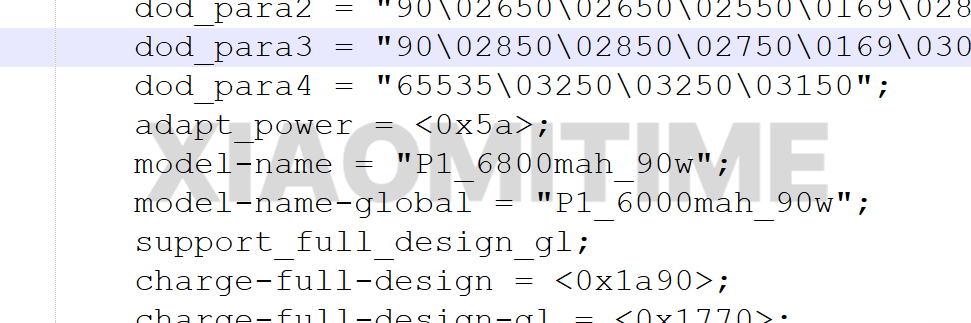
The most crucial difference between the two versions, however, is their battery size: although the Xiaomi 17 Ultra hits the Chinese market with a 6,800 mAh battery, its global counterpart will reportedly come with a 6,000 mAh unit. Looking at that, such a cut seems related more to different regional certification requirements and some internal design changes rather than cost-cutting measures.
Xiaomi is not altering the charging technology despite the lower battery. Additionally, the global Xiaomi 17 Ultra will enable 90W wired fast charging, guaranteeing competitive charging times and preserving the high-end user experience typical of the Ultra series.
Xiaomi 17 Ultra other specs
Everything else is largely consistent across areas, with the exception of the battery adjustment. Carrying on Xiaomi’s Ultra philosophy, the Xiaomi 17 Ultra will probably be heavily focused on camera performance.
The Xiaomi 17 Ultra will be among the most potent Android smartphones in its class thanks to its Snapdragon 8 Elite Gen 5 CPU. It is anticipated that the device’s memory and storage options will essentially stay the same across various markets.
About price
As memory and component costs rise, prices may also. In China, the Xiaomi 17 Ultra’s price may increase by 500–1000 yuan, or roughly $70–$140 USD. Global pricing has not yet been verified because these prices are based on data from China.
In the past, Xiaomi has modified its worldwide prices according to local market conditions, logistics, and taxes. The battery reduction is more of a strategic regional adaptation than a sign of a reduced market positioning.
The comprehensive budget, often called the master budget, is created by combining the strategic budget and the LOB development.
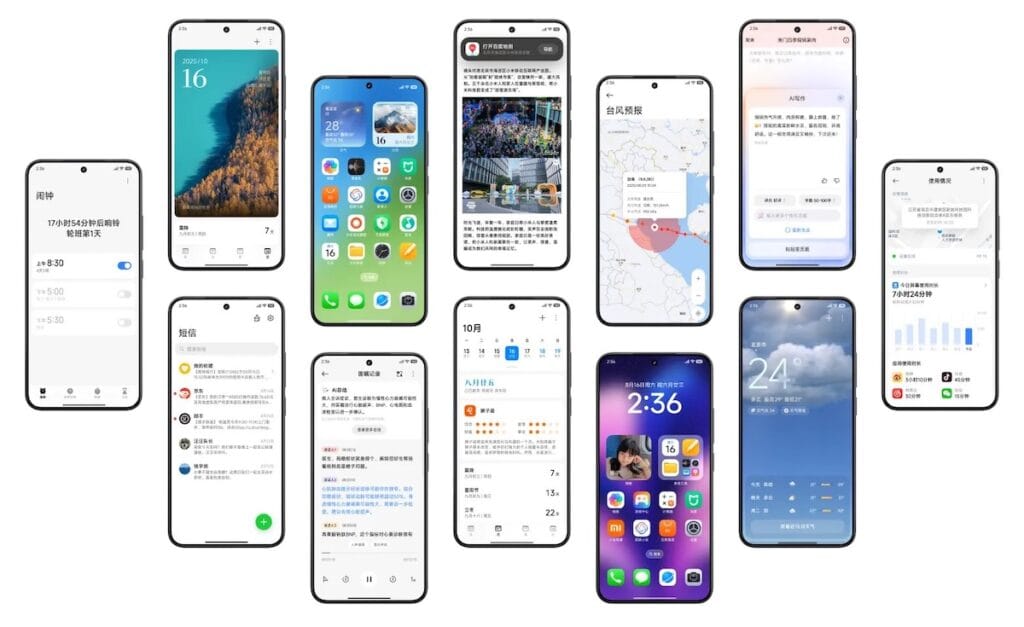
As December 2025 draws to a close, Xiaomi plans to release HyperOS 3.0 stable for roughly 25 devices before entering 2026. Additionally, if you haven’t received the latest update, make sure your phone is on this list.
In addition to releasing its next-generation Ultra flagship, Xiaomi has hinted at a stable HyperOS 3.0 rollout for 25 devices by 2026.
Indeed, by the end of this month, several of the top-notch Xiaomi, Redmi, and POCO devices will receive updated software. All of the models that are presently using beta builds are prepared for a widespread rollout.
Some phones were listed as “ready to release” on the company’s main server. That most likely indicates that Xiaomi is prepared to provide the updated version for its phones that were left out.
However, it’s important to note that not every device will receive the HyperOS release based on Android 16. Only Android 15 OS upgrades are available for some of them. For example, the Android 15 version will be available for the Redmi K60 and Xiaomi Pad 6 series.
Below, you can see every device that qualifies for this month’s HyperOS 3.0 stable upgrade.
These 25 Xiaomi devices are getting stable HyperOS 3 this month
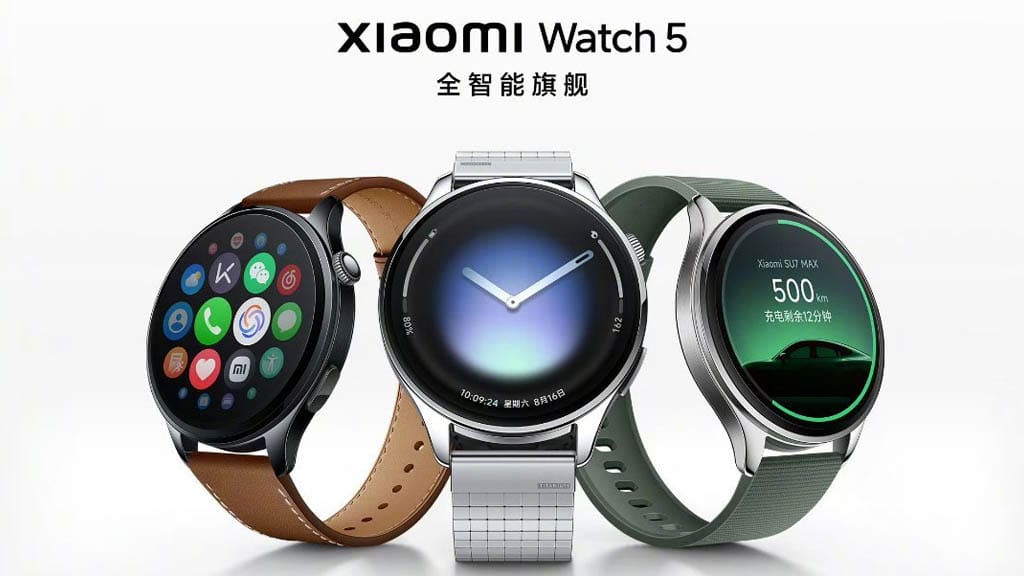
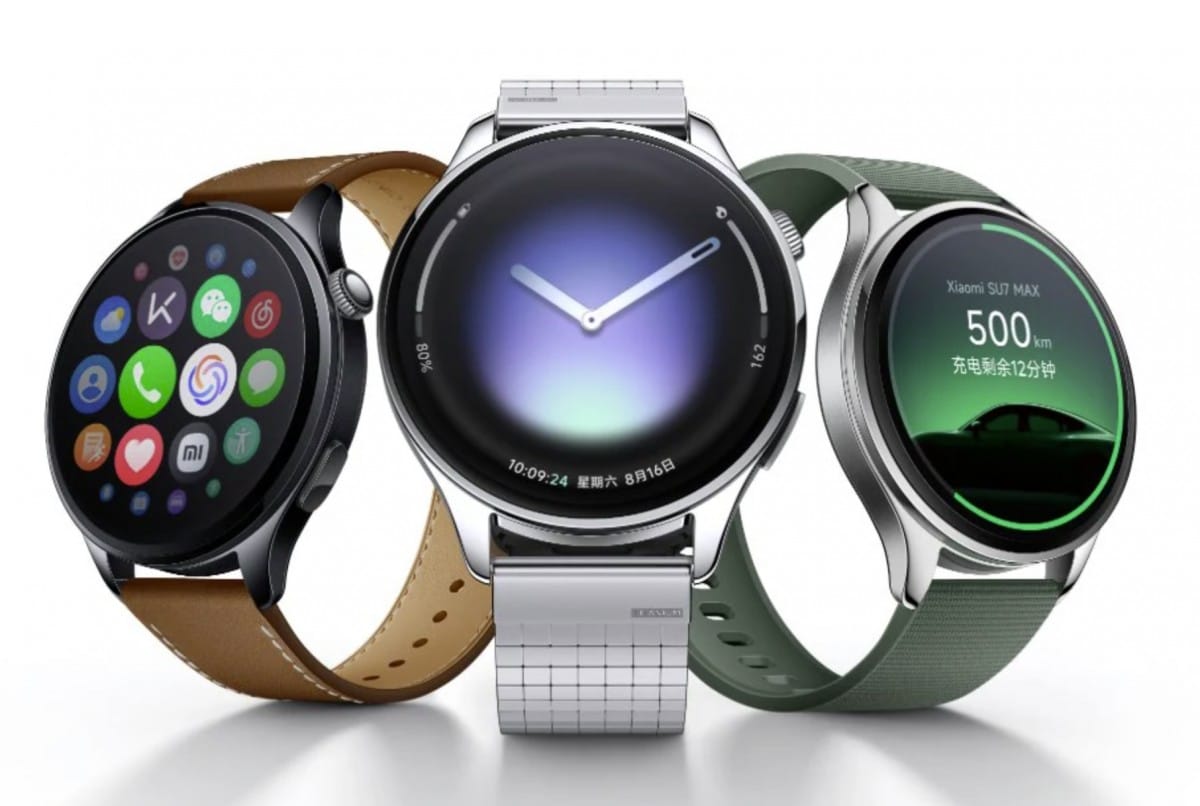
Yesterday marked the official launch of the Xiaomi 17 Ultra in China. The business also unveiled new items, such as the Watch 5, alongside it. The new smartwatch from Xiaomi has a dual-chip design, a circular AMOLED display, and a battery life of up to six days.
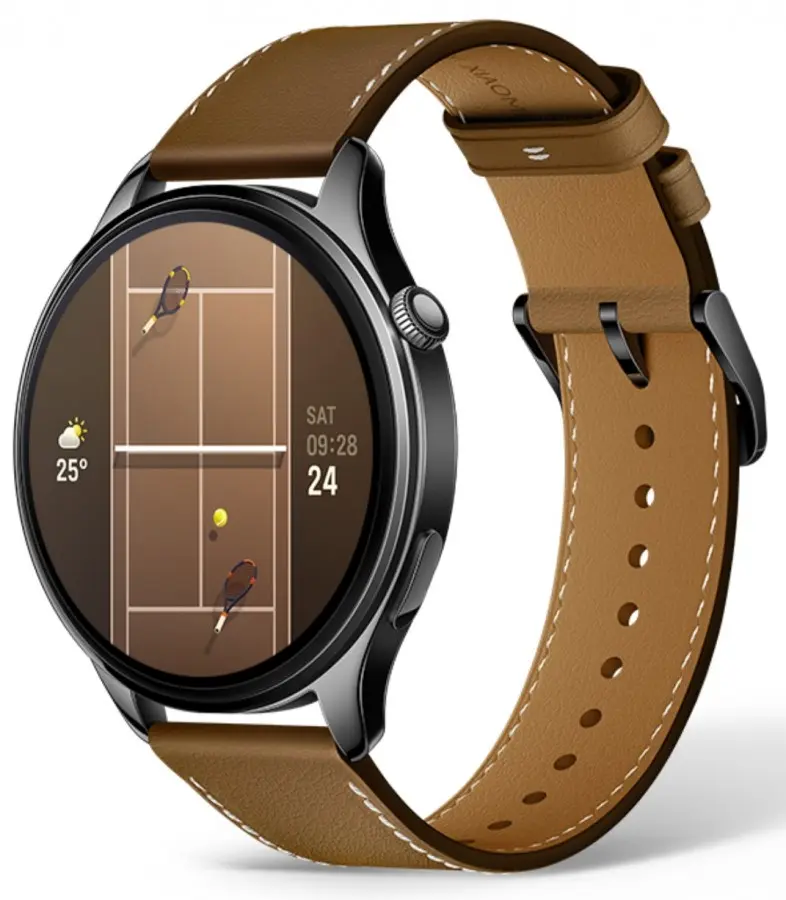
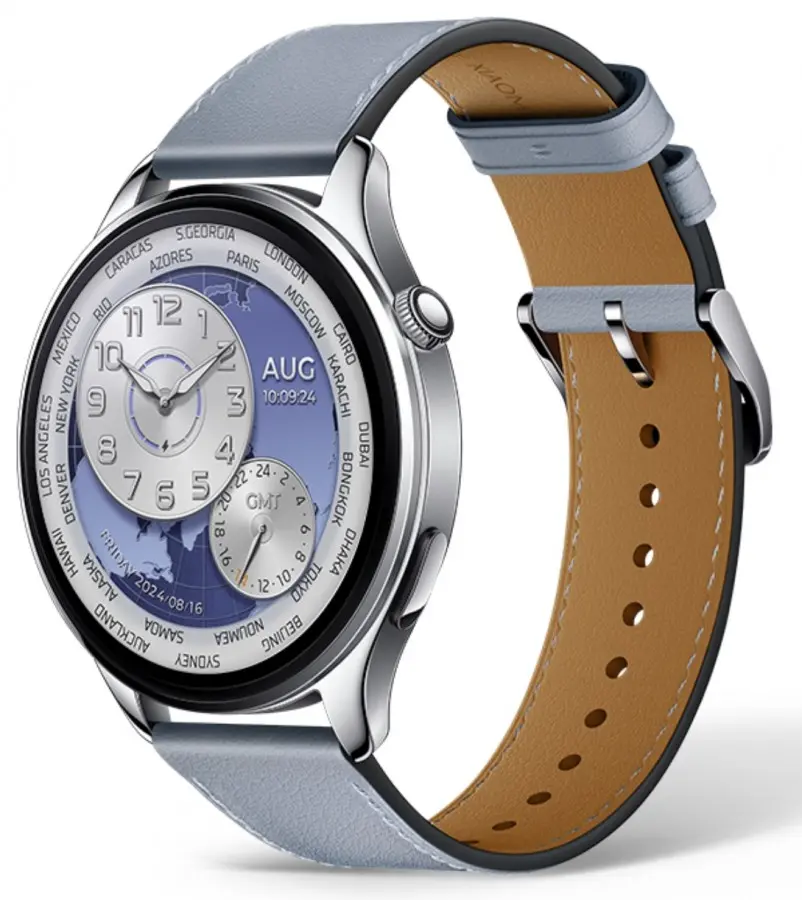
The 1.54-inch circular AMOLED display in the stainless steel case of Xiaomi’s Watch 5 has a refresh rate of 60 Hz, a resolution of 480 x 480 pixels, and a brightness of up to 1,500 nits.
Both the front (display) and rear of the smartwatch include artificial sapphire crystal glass. It is 12.3mm thick and weighs 56g without the strap. The Watch 5 runs Xiaomi HyperOS 3 and has 5ATM water resistance.
The Qualcomm Snapdragon W5 SoC and a Hengxuan 2800 low-power chipset make up its dual-chip design.
In terms of tracking fitness and health, the wristwatch supports more than 150 sports modes and provides continuous heart rate tracking, ECG, SpO2, stress monitoring, and sleep tracking. Along with other running features, you now receive full-color offline maps.
With typical use, the Watch 5’s 930mAh battery is supposed to last up to six days. When in power-saving mode, it is said to last up to eighteen days.
The smartwatch’s ECG sensor can be utilized for navigation as well. In addition to accepting calls, turning off alarms, taking remote pictures, managing music playback, and more, it can recognize hand muscle gestures.
The Xiaomi Watch 5 has Bluetooth 5.4, Wi-Fi, NFC, GPS, and even eSIM compatibility.
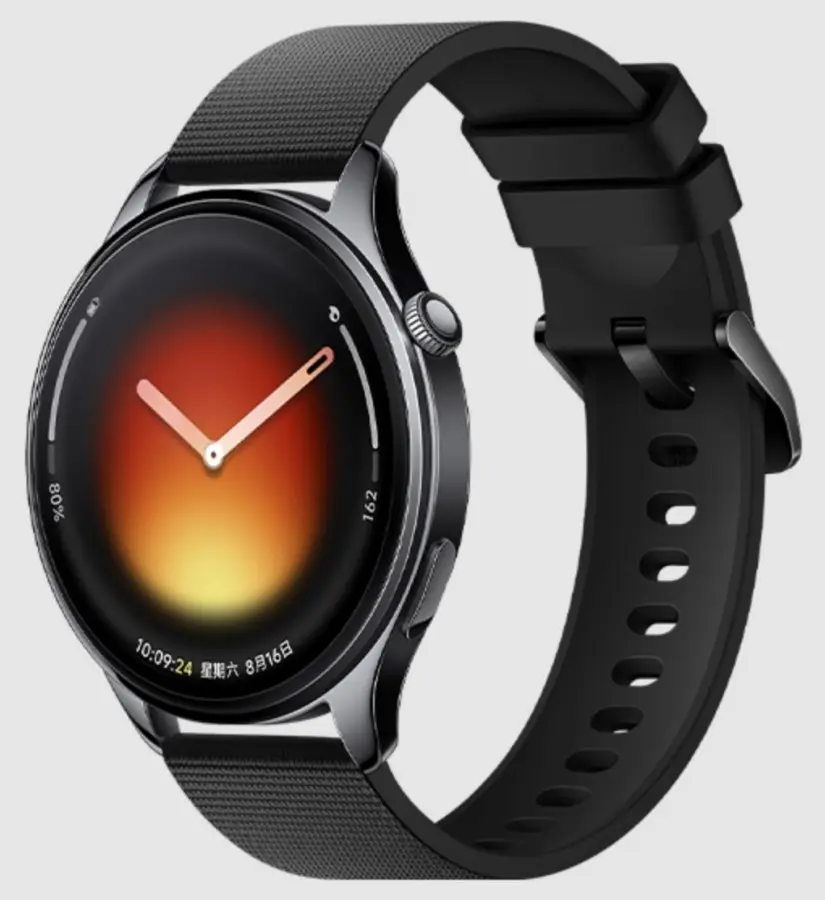
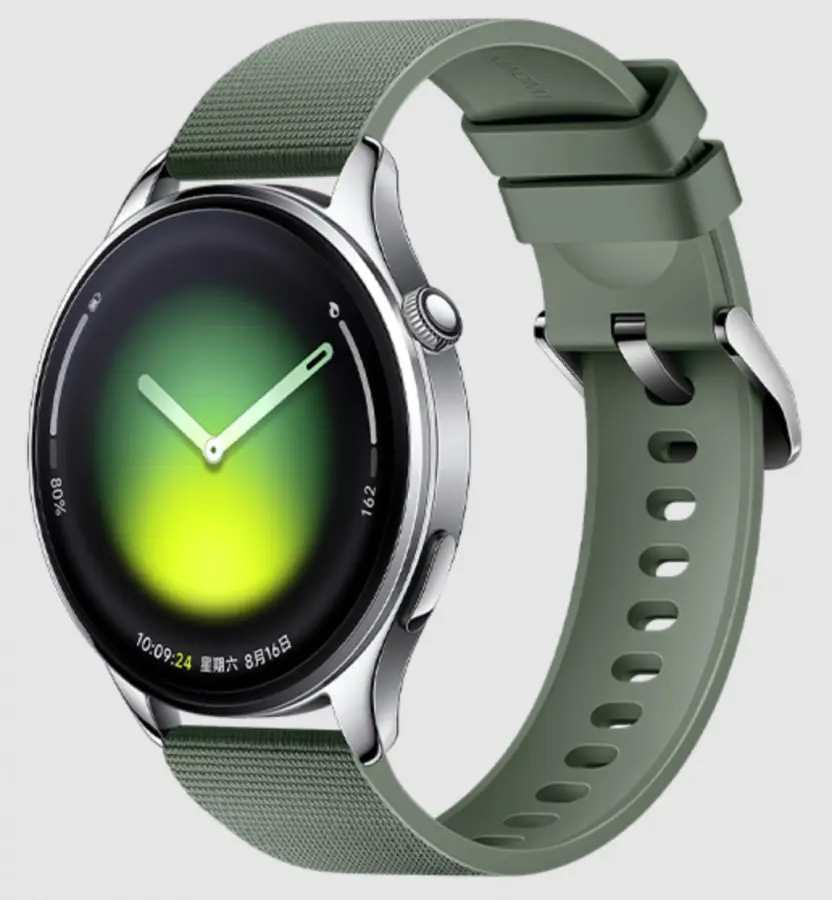
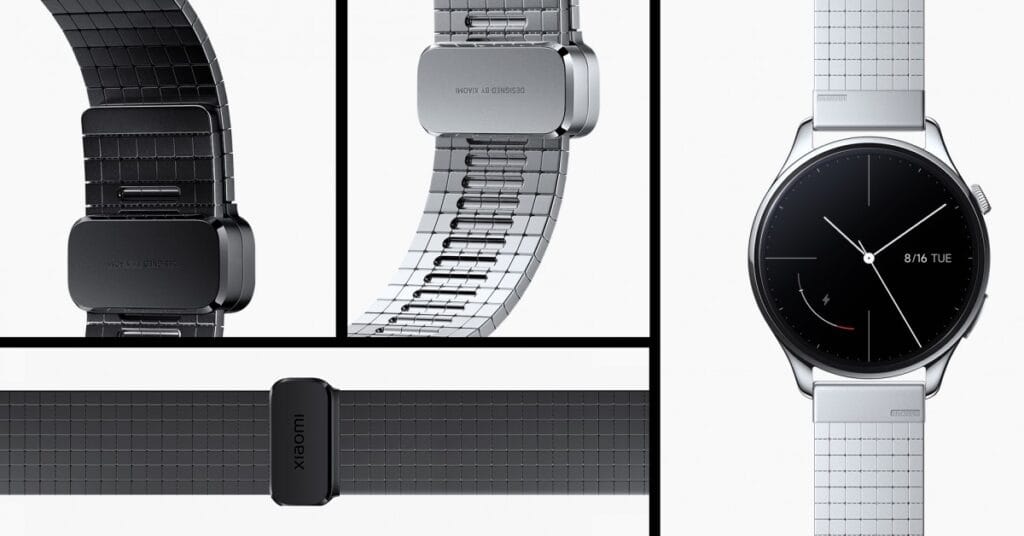
The Watch 5 comes with a variety of strap styles and a silver or black case color. A leather band, a rubber strap, or a 3D-printed titanium strap composed of TC4 titanium alloy are your options.
Xiaomi Watch 5 price
In terms of cost, the rubber-strapped smartwatch costs CNY 1,999 ($285). Only the eSIM version of the Watch 5, which costs CNY 2,299 ($330), has leather straps. In the meanwhile, the 3D-printed titanium strap costs CNY 799 ($110) and comes in silver and black to match the watch case.
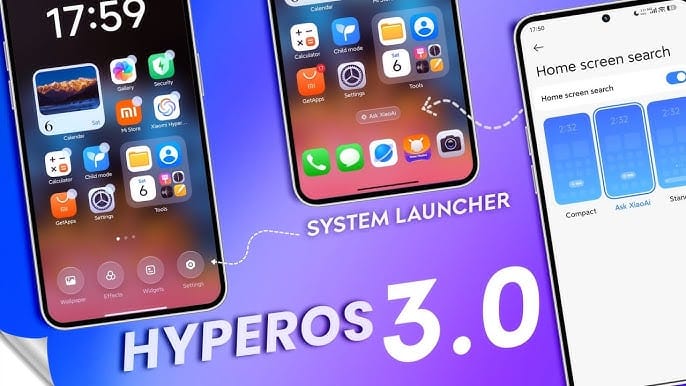
A new HyperOS 3 Launcher Beta update from Xiaomi focuses primarily on the look and feel of compatible models, animated effects in recent apps, and system reliability. This update has been made available to early HyperOS 3 testers in order to optimize their navigation experience. In an effort to improve HyperOS, Xiaomi has also released a beta build for compatible models that can be tested worldwide.
HyperOS 3 Launcher Beta Update Overview
Version RELEASE-6.01.03.1940-12221356 is the most recent version of HyperOS 3 Launcher Beta, which is packed as a second package and is categorized as a stacked layout type beta release. In keeping with Android’s more recent system framework, it raises the “minimum API level” to 35.
Only devices running HyperOS 3 are eligible for this upgrade. Installing this version on other devices may result in instability or visual issues, as Xiaomi has made clear.
It is crucial to comprehend the list of devices that are supported before proceeding with the modifications. This beta is limited to a few high-end, performance-focused phones from Xiaomi.
The REDMI K series gadgets are introduced internationally under POCO brands and are exclusively accessible in mainland China. Internationally, the REDMI K Ultra line of devices is sometimes referred to as the Xiaomi T series. As long as the device is compatible with HyperOS 3, Xiaomi has verified that this beta version functions on the worldwide version.
Xiaomi’s HyperOS 3 launcher beta update: new features and fixes explained
This update improves system functionality to make everything run much more smoothly rather than adding any new features to the device.
Key Improvements and Fixes
Optimized the display hierarchy of the tasks window in the case of recent tasks.
Optimizations for the animations of opening frequently used apps in classic navigation key mode.
Corrected positioning of playing cards for vertical layout mode
Fixed issues concerning unusual app behavior when opening and quitting recent apps.
Resolved animation bugs that occurred when there was a recent application switch
Improved background adaptation for small window cards in dark mode
With less visual disparities, particularly when switching between apps, these new modifications improve multitasking.
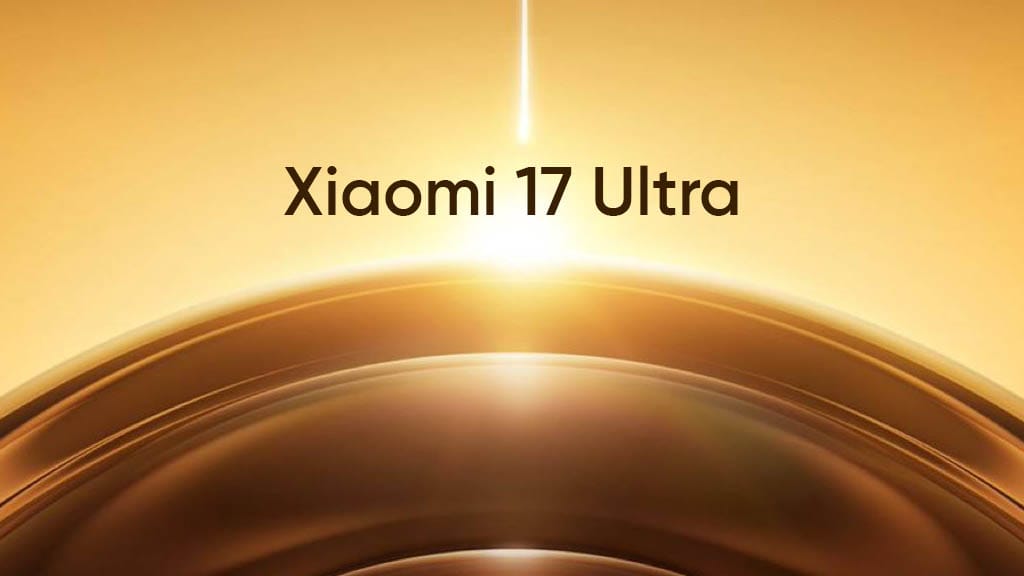
The Xiaomi 17 series was formally introduced by Xiaomi not too long ago. The business isn’t finished yet, though. If you have been keeping up with the rumors, the Xiaomi 17 Ultra is the final model. We may now know when the Xiaomi 17 Ultra will launch, due to a teaser image.
Launch schedule for Xiaomi 17 Ultra comes to light
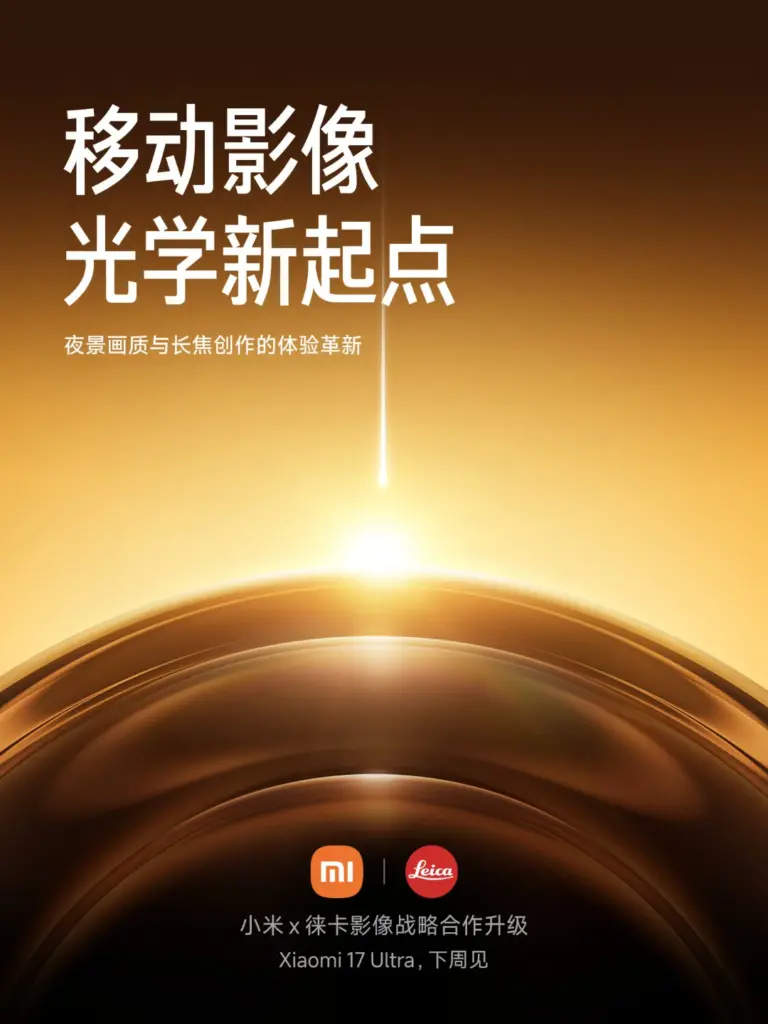
The company has announced that the Xiaomi 17 Ultra will launch next week, based on the teaser image that Abhishek Yadav posted on X. Although the business has not specify the specific launch date, recent reports indicate that it would happen on December 26, 2025.
Additionally, the teaser image validates Xiaomi and Leica’s continued collaboration on the phone’s cameras. The launch date actually makes sense. The FCC certified the Xiaomi 17 Ultra more recently. Since FCC approval is necessary for businesses to sell their goods in the US, it is now one step closer to launch.
What features and upgrades to expect from Xiaomi 17 Ultra
According to current rumors, we can anticipate performance that is comparable to that of the other models. This is due to the likelihood that the Xiaomi 17 Ultra will employ the same Qualcomm Snapdragon 8 Elite Gen 5 chipset. Nonetheless, one of the phone’s distinguishing features is its cameras.
According to what we’ve heard, the Ultra model may have a quad camera configuration on the back. It appears that this will include three 50MP sensors, followed by a 200MP sensor for the main camera. The phone may come in two versions, according to speculations. Although the cameras are identical, one version may have new, cutting-edge camera intelligence, while the other will be more “normal.”
Additionally, the Ultra will forgo the rear display—which is, to be honest, somewhat of a novelty—in favor of improved cameras. Pricing has not yet been announced. However, if Xiaomi maintains the Xiaomi 15 Ultra’s pricing, we should expect to pay between $900 and $1,000.
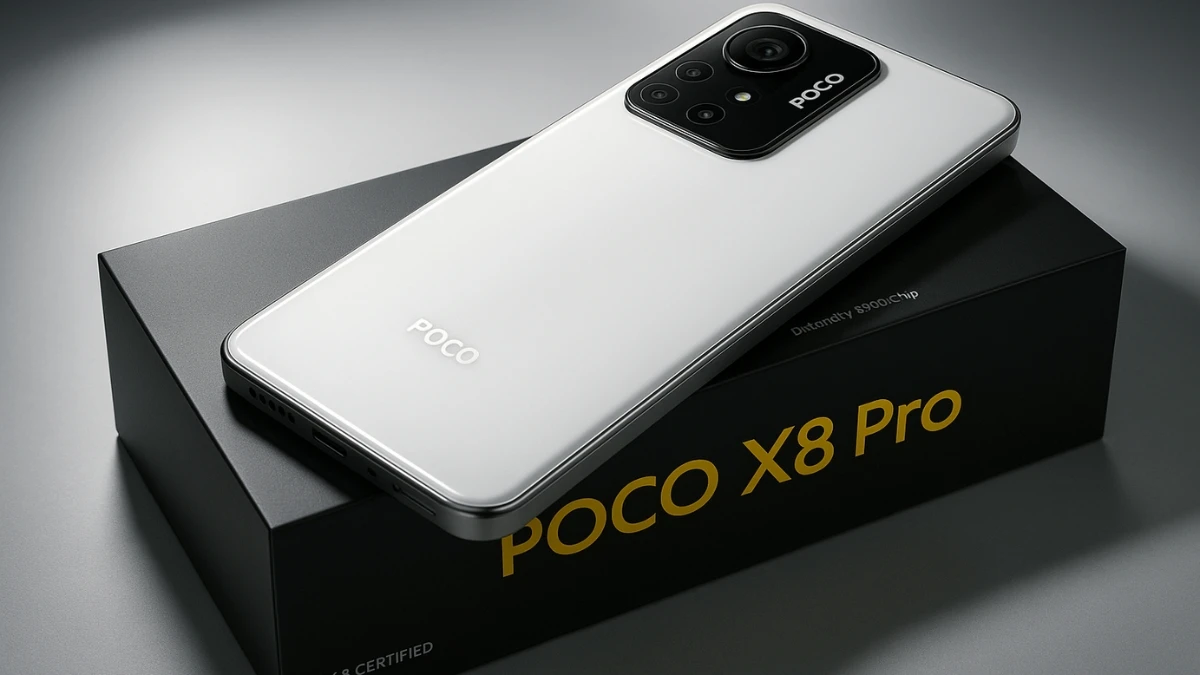
I never get tired of looking at Xiaomi phones. They have foldables, enormous one-inch Sony sensors that produce images with remarkable depth, and now leaks of the POCO X8 Pro point to a phone that might feature one of the largest batteries ever in a popular smartphone. The Redmi Turbo 5 will soon be available in China, and there will be some surprises along the road.
Although Xiaomi’s decision to challenge Tesla in the electric vehicle business sounds crazy (I’m also intrigued), the smartphone market is as fascinating. Xiaomi is adopting a different strategy, despite predictions that the average cost of smartphones in the US will rise between 2023 and 2028. Strong performance at a reasonable price could make the POCO X8 Pro stand out. Naturally, there is a catch, just as with anything worthwhile.
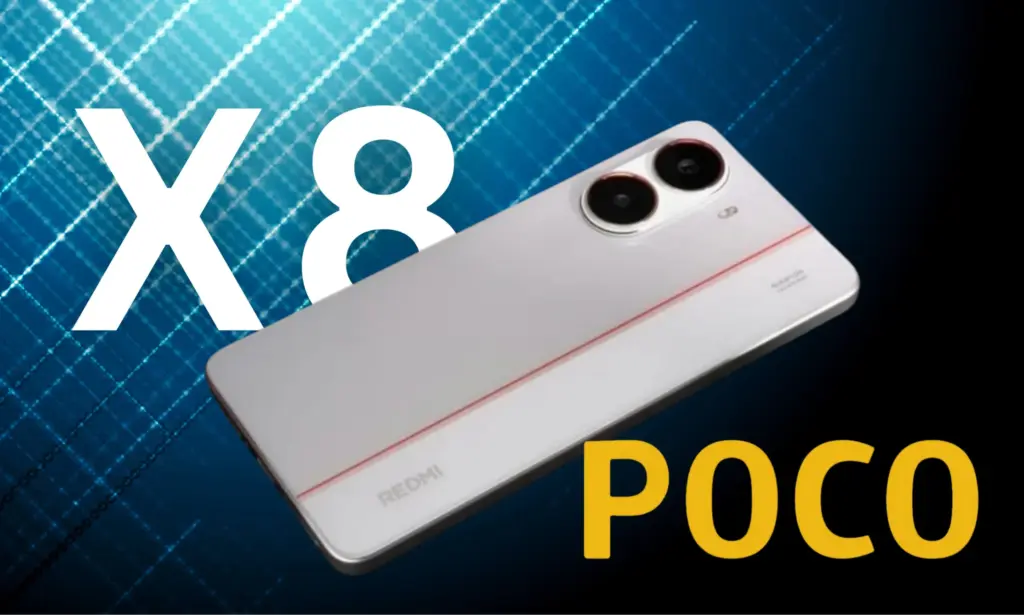
According to leaks, Xiaomi is getting ready to release the Redmi Turbo 5 for the Chinese market in November. Around January, the device will be released internationally under the name POCO X8 Pro.
The new model should be close to the Turbo 4’s launch price of CN¥1,999 ($280) for the 12 GB + 256 GB configuration. Even with some new features, I would still wager on a pricing close to $280, which is where Xiaomi usually outperforms the competition.
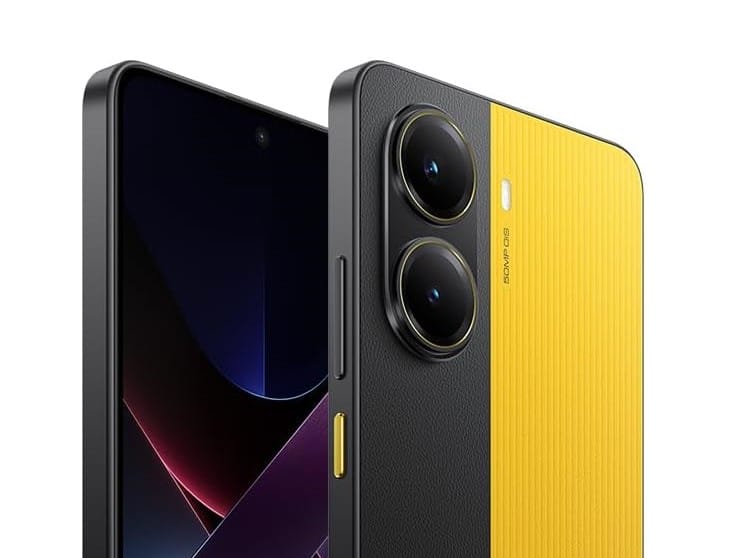
According to Digital Chat Station, the POCO X8 Pro will include a metal mid-frame, which is a significant improvement above its predecessor’s plastic construction. The phone appears sharper because to the elegant, contemporary punch-hole screen design.
The Redmi Turbo 5 boasts a 6.7-inch AMOLED panel with a sharp pixel density of 446 ppi and a resolution of 1220 x 2712. The 120 Hz refresh rate makes images pop and scrolling seem fluid. The Turbo 5’s 4,000 nits peak brightness, which makes the screen easy to view even in direct sunlight, is what makes it unique. The iPhone 17 Pro Max, in contrast, can reach 3,000 nits outside.
POCO X8 Pro performance
According to Smart Pikachu, MediaTek’s Dimensity 8500 Ultra processor could power the Turbo 5. The 9500e and 8500 chips from MediaTek are anticipated to be released by January. With speeds of up to 3.73 GHz, the 9500e is unique. One Cortex-X925, three Cortex-X4, and four Cortex-A720 cores are mixed together in its CPU. Therefore, the Dimensity 8500 tends toward balance, whilst the 9500e concentrates on raw power. It has eight high-performance cores built on ARM’s new A725 architecture and employs TSMC’s 4nm technology.
The Turbo 5 will join the OPPO Reno 15 Pro, HONOR Power 2, and Realme Neo 8, which are all said to have the same MediaTek chip, if Xiaomi decides to go with the Dimensity 8500 Ultra.
Battery
With the HONOR X70 reaching 8,300 mAh in 2025, smartphone manufacturers have been pushing battery sizes to new limits. Furthermore, it appears that the next breakthrough might be even more significant.
According to a different rumor from Digital Chat Station, Xiaomi intends to include a 9,000 mAh battery in one of its next phones. The Weibo tipster claims that the single-cell silicon battery is prepared for manufacturing.
It’s unknown which model will receive this enormous battery. The 9,000 mAh option may go to a Pro or Pro Max model because some sources indicate a base 7,500 mAh version. The stakes are further raised by the fact that the enigmatic phone will feature 100 W fast charging.
However, I don’t think the same battery will be available in areas outside of China for the Redmi Turbo 5 series. Larger silicon-carbon mobile phones often have lower capacity in the US and Europe. Thus, be mindful of your expectations.
Strict regulations are the reason why Apple and Samsung don’t sell large batteries. For example, US government regulations (49 CFR 173.185) limit the size of lithium-ion batteries used in phones to 20 Wh. That explains why I had trouble using the iPhone 15 Pro last week—my battery failed while I was on vacation (thanks to my power bank for getting me to the hotel without any issues).
I’m already figuring out how to get one here if Xiaomi releases the POCO X8 Pro with the same 9,000 mAh battery. Even on my longest days out, I can’t see ever having to worry about running out of battery. It makes me happy to consider carrying a phone that can withstand travel, work, and sporadic browsing sessions. However, if you share my belief that “battery beats slim,” don’t get too enthusiastic just yet because Xiaomi might be cautious outside of China.
A number of system problem patches that will be made available through the upcoming HyperOS update for several smartphones and tablets have been officially revealed by Xiaomi. The news was made via the official Xiaomi community page, demonstrating the manufacturer’s dedication to provide its customers reliable software performance. The clock, home screen animations, Google Play services, media audio, and application-related translation problems are among the system services that have been patched in this release.
Confirmed HyperOS bugsfix
A number of functional and localization issues that users have reported will be fixed in these future releases. Xiaomi claims that the following user-submitted problems have already been found and are being fixed:
Xiaomi 14T: Force close or non-responsive problem in the Clock app
Xiaomi 14: Smart charging feature not translated into Russian
Xiaomi Pad 7: Translation problem in Weather app
Xiaomi Pad 7: Google Play “force close” or “no response” problem
Xiaomi 15T Pro: Gallery Editor erase tool not functioning properly
Xiaomi 14 Ultra: Issue with system-level translation
Redmi Note 14: Odd animation behavior of the desktop (home screen)
Affected users will receive an update in a comparatively shorter amount of time because these updates are anticipated to be incorporated in HyperOS incremental builds rather than major version numbers.
Even though there aren’t any serious issues in these bugs, things like media audio problems, Google Play instability, and system app crashes significantly impair functioning. Due to Xiaomi’s identification of these defects, the deployment time has been shortened because these problems have also been tested in their internal environments.
Since these bug patches can vary depending on the location or device type, Xiaomi has not provided a particular timeframe for their deployment. However, the system updater will automatically distribute all of these problem patches to users of these devices once they have been incorporated into the final HyperOS releases.
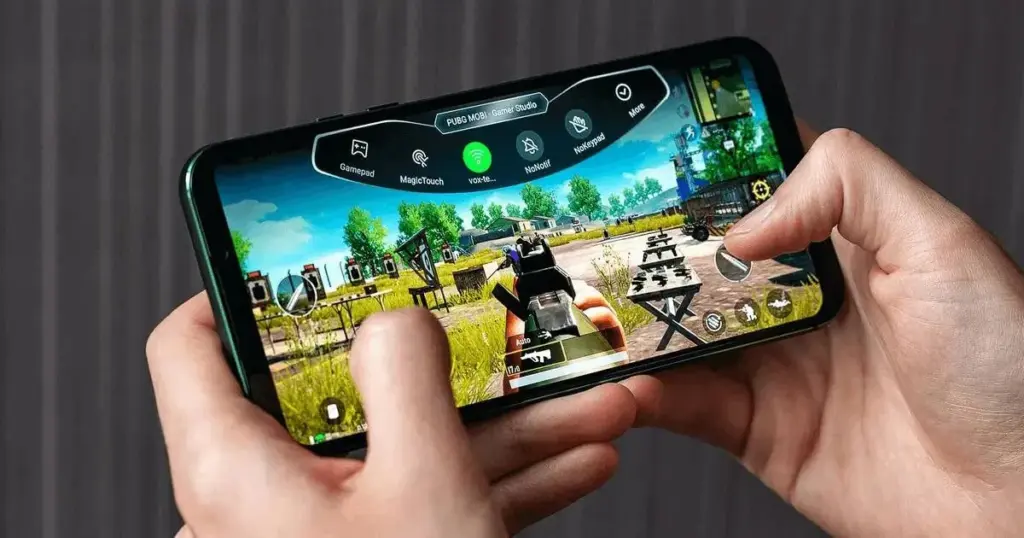
Both Android 17 and Xiaomi HyperOS 4.0 are in development, and it appears that this software update will significantly improve Xiaomi devices’ gaming capabilities. Here is some fresh information that clarifies this issue.
Google will enhance system-level updates and game controller compatibility with Android 17, according to XiaomiTime. To increase smartphone users’ gaming time, it will probably have a gamepad button or be a completely virtual controller.
The 17th build will allow users to remap or alter system buttons and lessen reliance on game-specific settings, in contrast to earlier Android versions that relied on predefined buttons for Xbox controllers.
The most recent Android Canary release makes this evident by displaying strings such as android.permission.CONTROLLER_REMAPPING, which is managed by the flag com.android.hardware.input.controller_remapping.
For a reliable and consistent remapping without the need for external hardware or ADB, keep in mind that this only applies to system-level apps signed with the platform key.
In order to improve the user experience overall, it’s possible that HyperOS 4 (Android 17) will eventually offer the same gaming functionality to Xiaomi smartphones.
Therefore, HyperOS 4.0, which is based on Android 17, can be the ideal upgrade for you if you enjoy playing games with controllers.