Tag: performance

  • Huawei’s Kirin 2026 test data shows major power and heat gains

    Huawei’s Kirin 2026 test data shows major power and heat gains

    Huawei Semiconductor Business Unit President He Tingbo has presented an updated Tau Law paper detailing real-world Kirin 2026 test results, covering everything from heat dissipation to power consumption on the upcoming mobile chips.

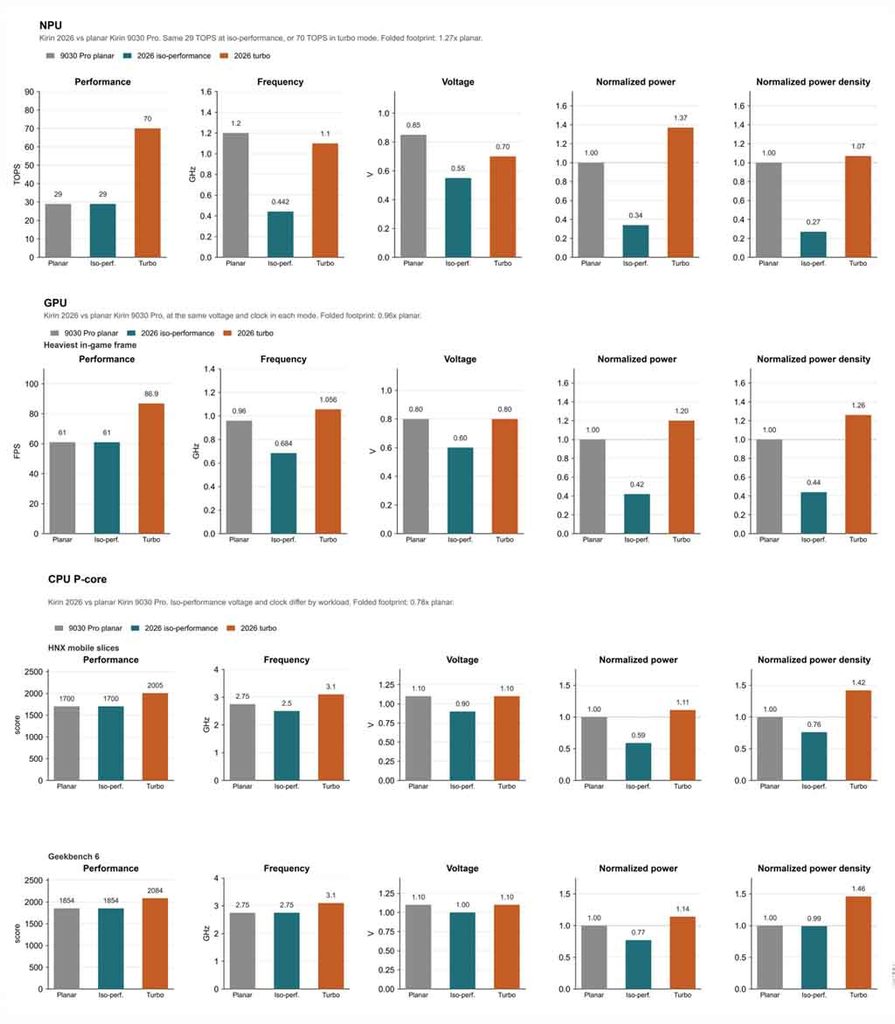
    According to Tingbo, the new chipsets show a 55% increase in transistor density, alongside a 66% cut in NPU power consumption. GPU and CPU power consumption dropped by 58% and 41%, respectively, compared to the Kirin 9030 Pro under matching performance conditions. Tingbo, the chief scientist behind the paper, attributed most of a chip’s energy consumption not to the computing process itself but to data transmission.

    LogicFolding’s role in the results

    The updated Tau Law paper puts particular focus on heat dissipation and power consumption, issues that became a hot topic following the introduction of LogicFolding. Under the traditional view, stacking active transistors vertically should raise power density and heat generation per unit area, but Huawei’s results with the Kirin 2026 series run counter to that expectation.

    LogicFolding is said to maintain the same performance level in the Kirin 2026 chip while enabling 29 TPOS of computing power, a voltage reduction of 0.30V, and a 73% reduction in power density.
    Test results by scenario

    Huawei detailed the following results from its testing:

    • 61 FPS condition: the GPU runs at 200mV lower than the Kirin 9030 Pro, cutting power consumption by 58%.
    • HNX testing: the CPU matched the Kirin 9030 Pro’s performance while delivering an 18% improvement, a 9% lower frequency, 200mV lower voltage, and a 41% reduction in power consumption.
    • Turbo Mode: the Kirin 2026 NPU reaches a maximum of 70 TPOS, a 141% improvement over its predecessor, while boosting GPU frame rate by 42%.

    Additional measurements showed that typical core wiring length can drop by 20% after folding, shortening some critical data transmission paths by up to 70%, while clock wiring in processing modules is reduced by 28%.
  • Honor WIN sets a new performance benchmark, crossing 4.4 million points

    Honor WIN sets a new performance benchmark, crossing 4.4 million points

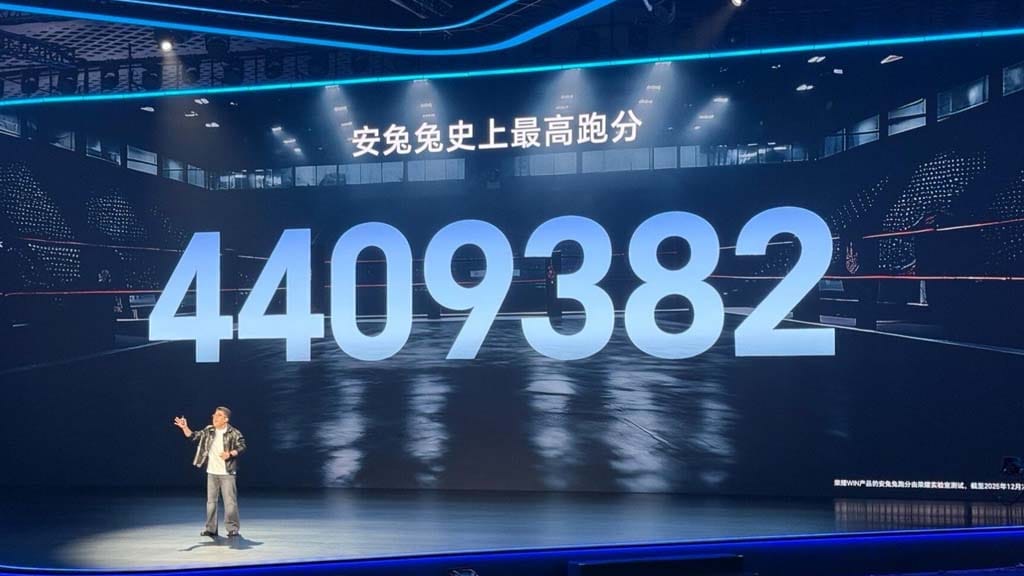
    The recently announced Honor WIN series, which has raised the performance bar for all gaming devices on the market, has been hailed by Honor as the best e-sports phone of the year. On the AnTuTu listing, the lineup has received almost 4.4 million scores.

    Honor said that the gaming phone scored 4,409,382 points on the AnTuTu test during the WIN Series launch event.

    As a result, the Honor WIN smartphone has the greatest score ever. Thanks to its top-notch specs, the device has not only significantly increased gaming efficiency but also improved overall performance.

    The Snapdragon 8 Elite Gen 5 chipset powers the WIN phone. This specific processor is paired with UFS 4.1 storage and LPDDR5X Ultra memory. All three elements come together to create a “top-of-the-line iron-like triangle.”

    In addition to providing fast and fluid performance, all of these chip technologies can effortlessly manage complex games and multitasking situations.

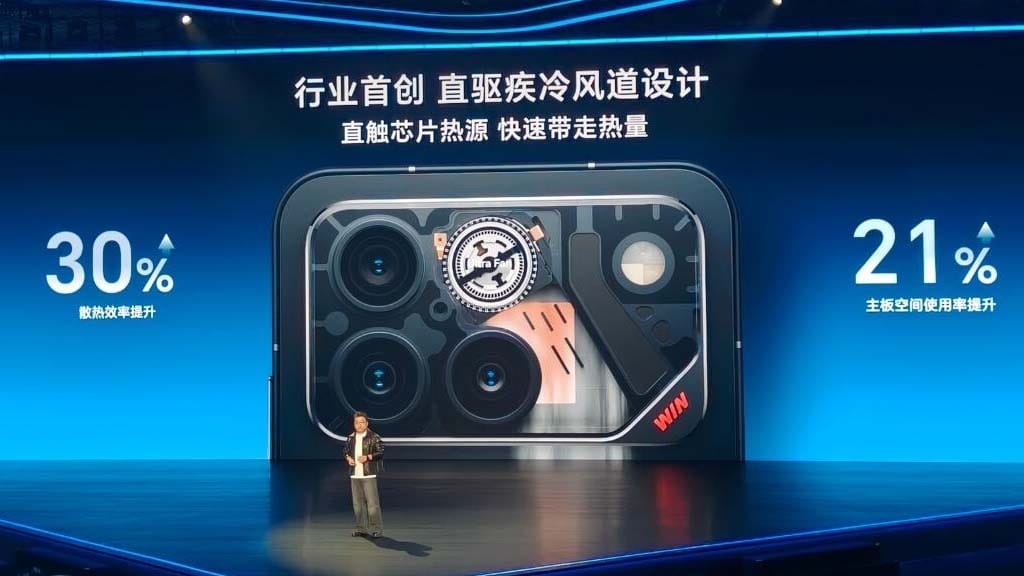
    Conversely, the WIN Series represents a major advancement in cooling technology. The Ultra Cooling Fan, the tiniest, lightest, and fastest fan, is the initial addition.

    Honor WIN set new benchmark records

    honor win series performance

    It features the first quick cooling airflow design in the industry, which removes heat without impairing the phone’s functionality by coming into direct contact with the chip’s heat source.

    A 3D butterfly wing VC cooling system is additionally connected to this fan. Because of this, even after sustained high-performance output, both power-packed components provide a reliable and effective cooling experience.

    The device performs better in terms of dependability and durability thanks to Phantom Engine AI 3.0 and IP68 + IP69K standards. The remarkable and striking performance of the Honor WIN smartphones is a result of all these factors and characteristics.

  • Huawei Mate 70 Air’s Battery Outperforms Galaxy S25 Edge and iPhone Air

    Huawei Mate 70 Air’s Battery Outperforms Galaxy S25 Edge and iPhone Air

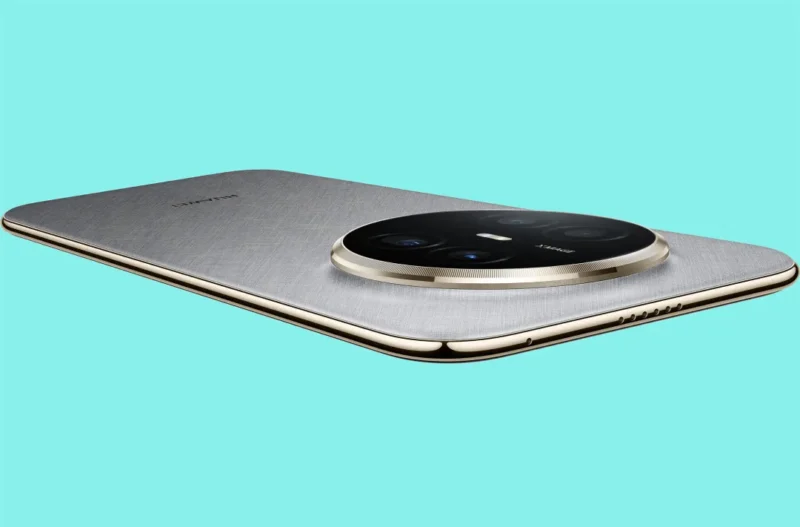
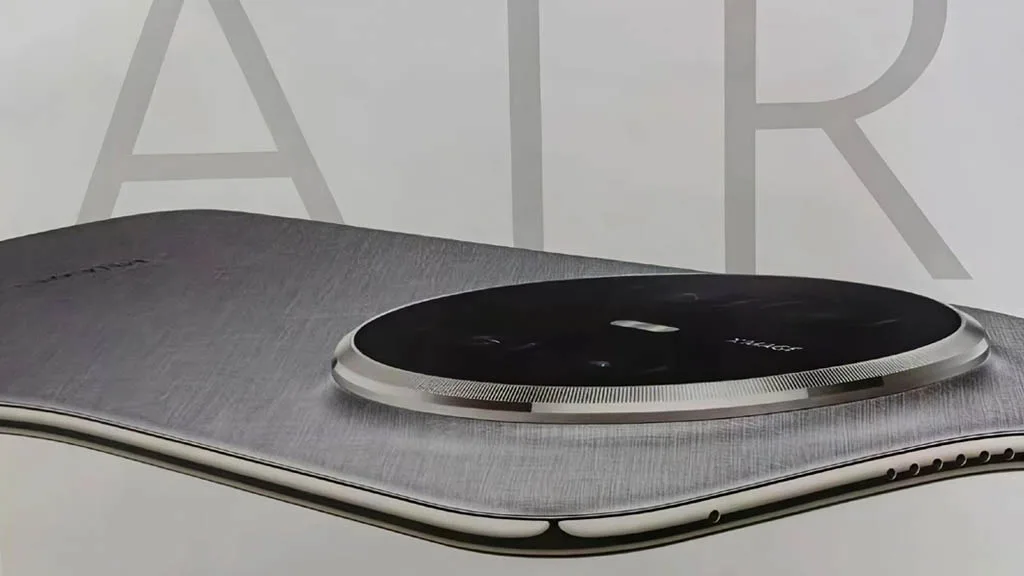
    In the battery war, the Huawei Mate 70 Air has defeated the iPhone Air and the Galaxy S25 Edge. The gadget has performed exceptionally well in the area where most brands attempt to make compromises in favor of appearance, although it may be a few millimeters behind in the battle for slimness.

    One of the device’s most crucial components is the battery. If it’s a decent one, you won’t have to worry about using a charger for a few days. However, a low-density cell hinders your enjoyment in addition to using more power.

    Samsung and Apple devices have excellent features and specifications. However, the battery life is something that these firms are continuously working to improve.

    Huawei Mate 70 Air comes with a huge battery

    Huawei Mate 70 Air’s Battery Outperforms Galaxy S25 Edge and iPhone Air

    Apple and Samsung are unable to incorporate a higher-density battery into their top phones despite no technological limitations. The batteries of phones such as the Galaxy S25 Ultra and the iPhone 17 Pro Max are 5000mAh and 4823mAh, respectively.

    Therefore, it is unrealistic to expect these brands’ thin gadgets to have larger battery capacities. Slimness frequently results in less space for the device’s internal parameters.

    Therefore, in order to achieve that ideal tiny profile, tech manufacturers must either reduce the battery capacity or other specifications like camera sensors and more.

    It’s interesting to note that the Huawei Mate 70 Air has demonstrated to the manufacturers of the iPhone and Galaxy that a handset can still have a huge battery while still maintaining its thin form.

    A 6500mAh ultra-thin silicon-carbon anode battery powers the Mate 70 Air’s remarkable battery life. Additionally, it offers a 66W fast cable charger that quickly charges the tablet without interfering with your video or gaming.

    As a result, the Huawei Mate 70 Air smartphone offers flagship-quality battery life in addition to a fully functional experience. You can choose between a thin model with a full power pack or one that is only skinny.

  • Samsung unveil Exynos 2600 performance boost and efficiency improvements on 2nm tech

    Samsung unveil Exynos 2600 performance boost and efficiency improvements on 2nm tech

    Samsung has begun discussing its first 2nm chips in public, and the figures are unexpectedly modest, which is causing some people to take notice. The business plans to begin shipping the new silicon in 2026, beginning with the Galaxy S26 series in Europe. Although the upgrades don’t seem like a “revolution” on paper, they are already helping Samsung earn large contracts and higher expectations.

    Samsung’s worldwide flagship strategy has been weak for years due to its Exynos chips. Customers in Europe have frequently received slower, less effective devices than their Snapdragon-equipped counterparts in the US, and it appears that the S26 and S26+ will follow suit. While the S26 Ultra is expected to continue using Qualcomm’s Snapdragon 8 Elite Gen 5 globally, those two variants are anticipated to employ the Exynos 2600.

    Exynos 2600 performance boost

    Samsung appears confident, though. According to the company’s most recent financial report, the new 2nm Gate-All-Around (GAA) process is expected to improve performance by around 5%, increase efficiency by 8%, and reduce chip size by about 5% when compared to its second-generation 3nm process. Those figures are not that large on their own. However, they are already paying off. Based on early 2nm capabilities, Samsung reportedly acquired about 25% of Galaxy S26 orders and a huge $16.5 billion contract with Tesla for its AI6 CPUs.

    Exynos 2600

    Another aspect of the jigsaw is yield. According to Samsung, the Exynos 2600 is currently achieving a yield rate of over 60%, which is supposedly sufficient to begin significant production. In comparison to employing Snapdragon chips, the company might save $20–$30 per unit if that remains true, which could result in a significant reduction in the bill of materials (BoM) for the European S26 models.

    However, not everyone believes that this is Samsung’s desired return. Exynos has a lengthy history of appearing promising on spec sheets but faltering once the phones are in the hands of consumers. Additionally, there is still a fundamental design gap: Samsung continues to use ARM’s standard Lumex core designs, which typically lag behind in real-world optimization, while Qualcomm and Apple develop highly customized CPU architectures.

    The question is rather straightforward as the Galaxy S26 debut draws near: is Samsung’s early 2nm jump a real turning point or is it just another case of déjà vu for European consumers? It’s obvious that the corporation believes little steps will build up. It’s another matter entirely if consumers concur.