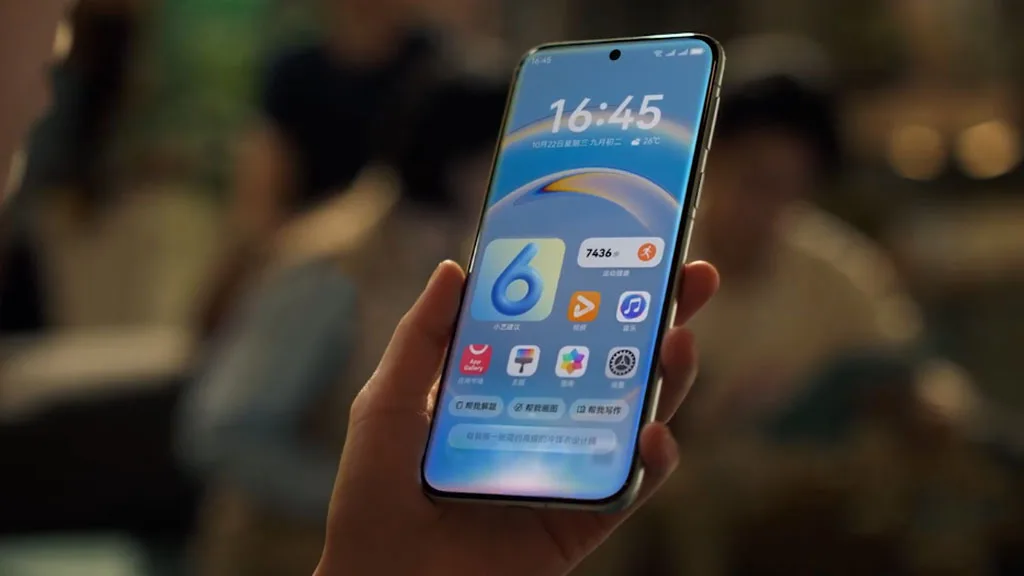
Huawei Semiconductor Business Unit President He Tingbo has presented an updated Tau Law paper detailing real-world Kirin 2026 test results, covering everything from heat dissipation to power consumption on the upcoming mobile chips.
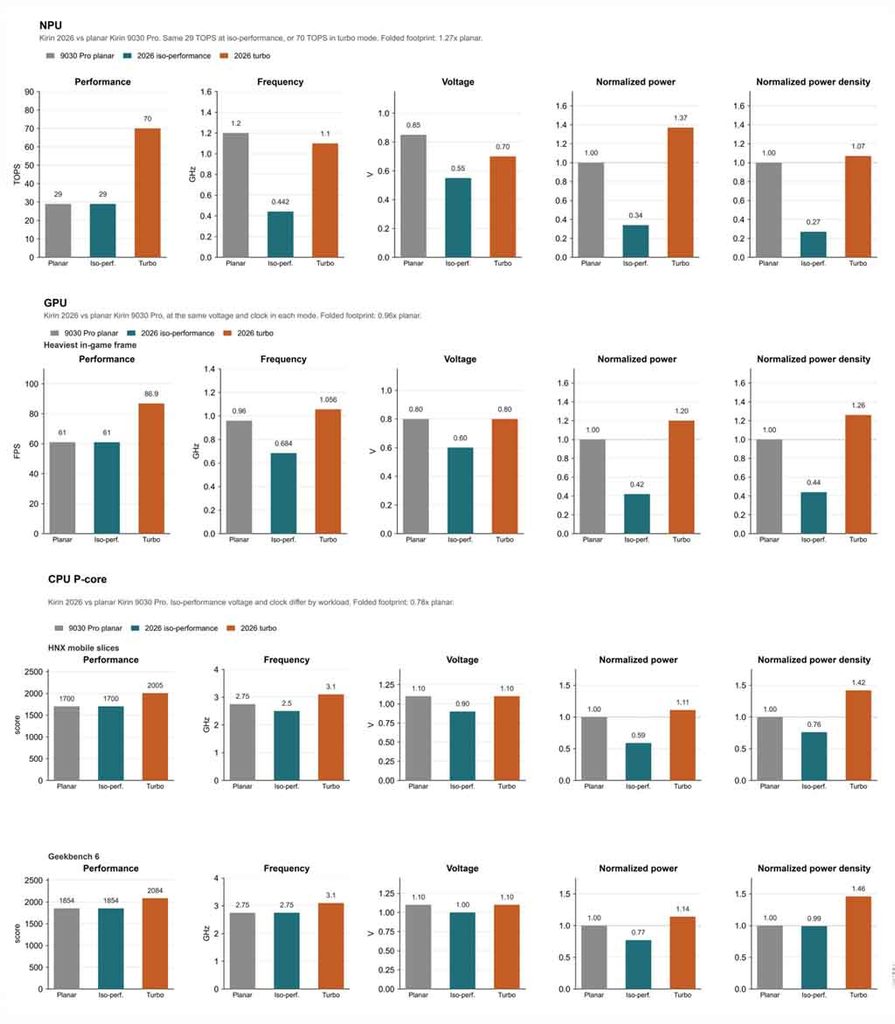
According to Tingbo, the new chipsets show a 55% increase in transistor density, alongside a 66% cut in NPU power consumption. GPU and CPU power consumption dropped by 58% and 41%, respectively, compared to the Kirin 9030 Pro under matching performance conditions. Tingbo, the chief scientist behind the paper, attributed most of a chip’s energy consumption not to the computing process itself but to data transmission.
LogicFolding’s role in the results
The updated Tau Law paper puts particular focus on heat dissipation and power consumption, issues that became a hot topic following the introduction of LogicFolding. Under the traditional view, stacking active transistors vertically should raise power density and heat generation per unit area, but Huawei’s results with the Kirin 2026 series run counter to that expectation.
LogicFolding is said to maintain the same performance level in the Kirin 2026 chip while enabling 29 TPOS of computing power, a voltage reduction of 0.30V, and a 73% reduction in power density.
Test results by scenario
Huawei detailed the following results from its testing:
61 FPS condition: the GPU runs at 200mV lower than the Kirin 9030 Pro, cutting power consumption by 58%.
HNX testing: the CPU matched the Kirin 9030 Pro’s performance while delivering an 18% improvement, a 9% lower frequency, 200mV lower voltage, and a 41% reduction in power consumption.
Turbo Mode: the Kirin 2026 NPU reaches a maximum of 70 TPOS, a 141% improvement over its predecessor, while boosting GPU frame rate by 42%.
Additional measurements showed that typical core wiring length can drop by 20% after folding, shortening some critical data transmission paths by up to 70%, while clock wiring in processing modules is reduced by 28%.
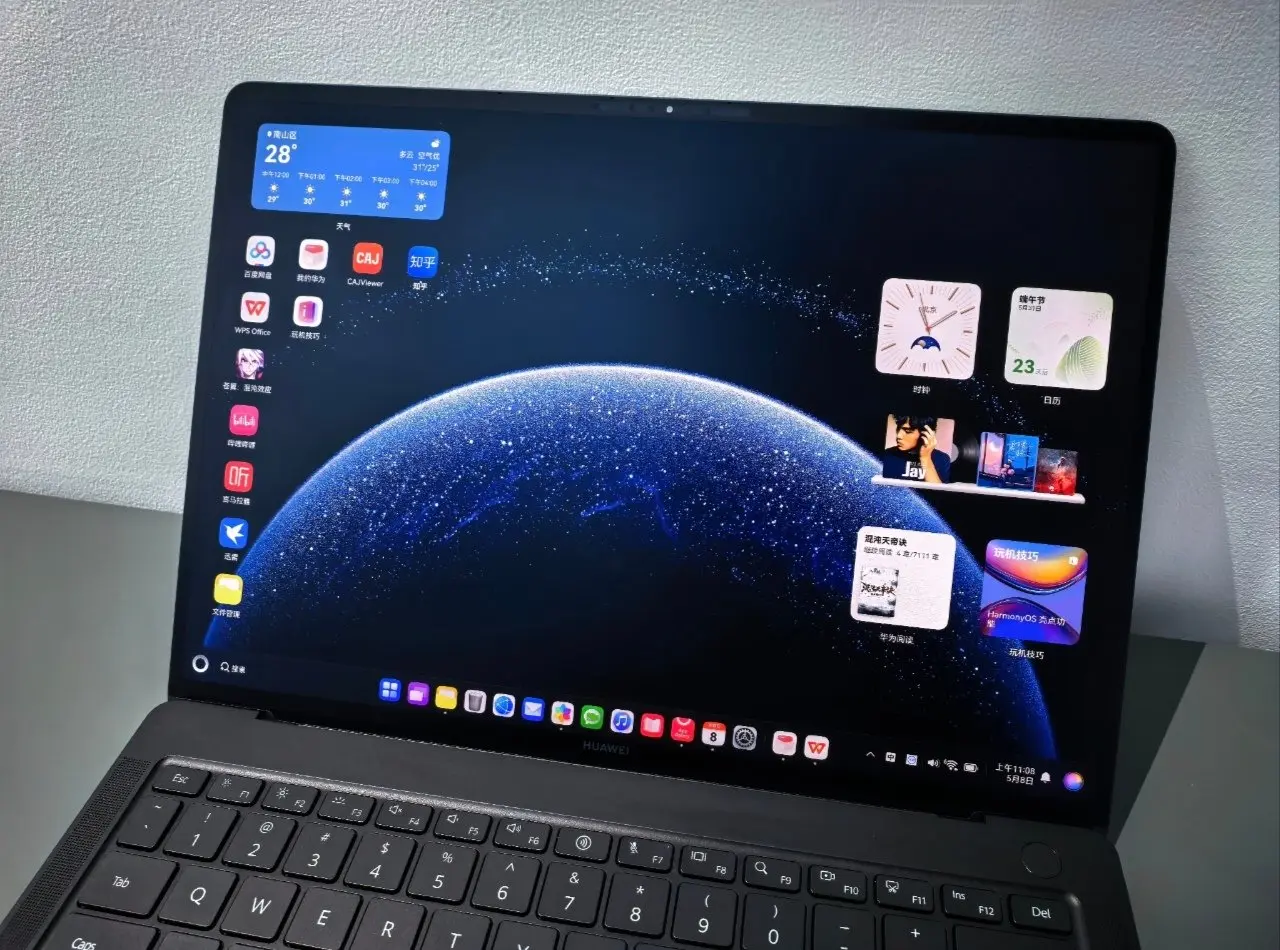
Thanks to a new tool, Huawei announced today that HarmonyOS laptops may now run Linux-based programs and tools natively. This is significant news for its in-house computer operating system since it gives developers more options.
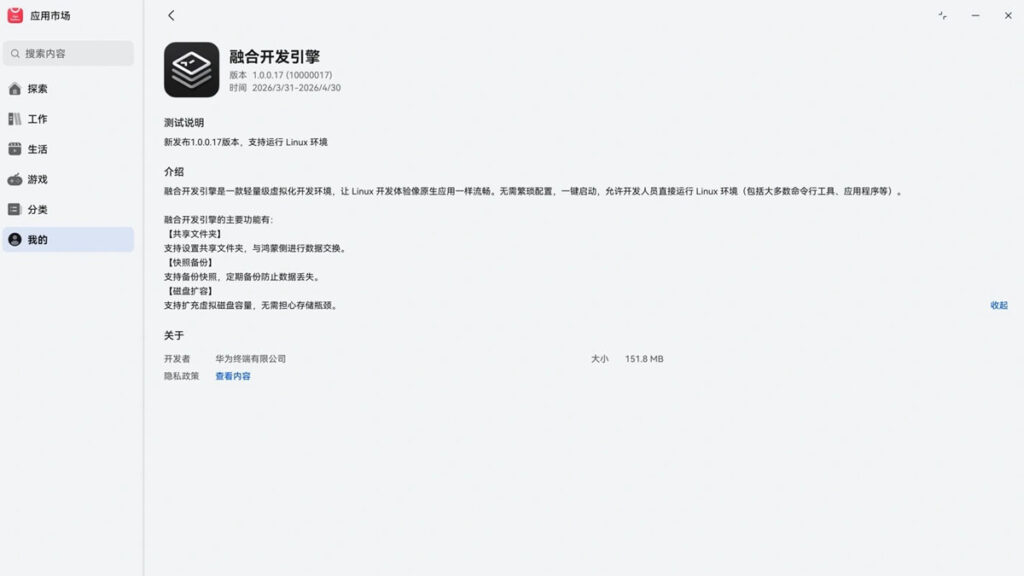
Huawei launched the Converged Development Engine in the HarmonyOS PC AppGallery on April 1. The 1.0.0.17 version is in the preview zone.
This tool’s best feature is that it enables Huawei HarmonyOS laptops to directly execute Linux-based tools, services, and applications without the need for complicated technology.
Developers are currently able to experiment with the Converged Development Engine and run “Linux environments” on the HarmonyOS PC.
A customized, useful workspace built on the Linux operating system is referred to as a “Linux environment.” It consists of the OS, the home screen interface, and utilities. GNOME, KDE, and a command-line configuration for servers are additional user features.
The following features will be available to developers after the HarmonyOS PC’s Converged Development Engine has been installed:
“The Fusion Development Engine is a lightweight virtualization development environment that makes Linux development as smooth as native applications. No complicated configuration is required. It starts with a single click, allowing developers to directly run Linux environments (including most command-line tools, applications, etc.” – Huawei
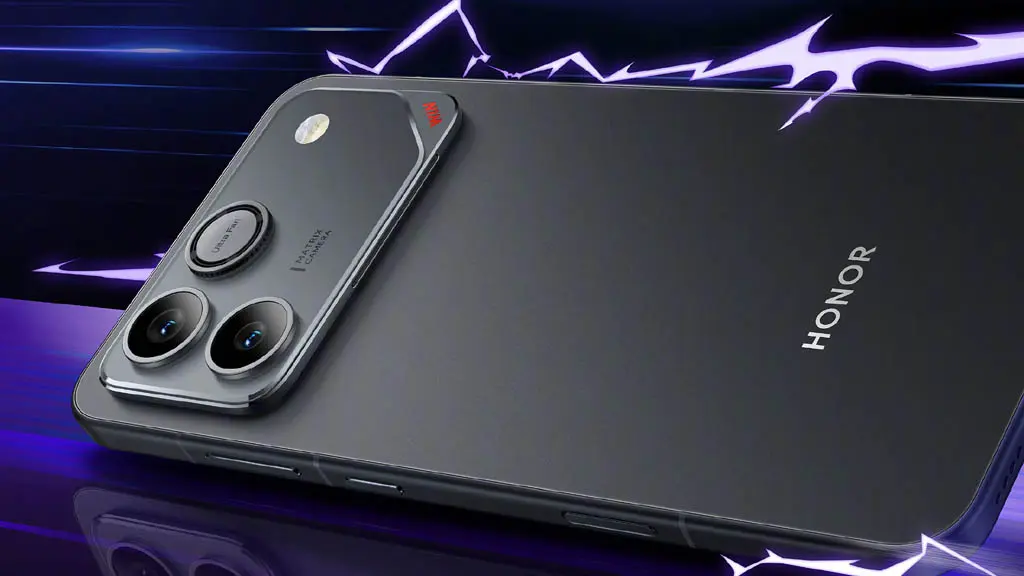
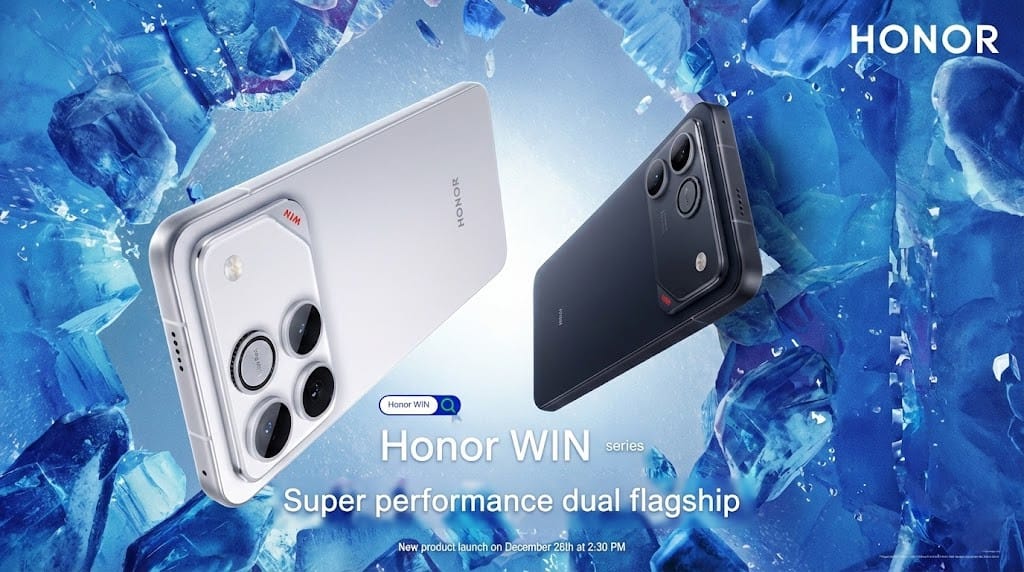
The release of the new HONOR WIN series dual flagship performance phones in China this month has begun to be hinted at by HONOR. The picture displays a massive metal camera deco with a metal frame and WIN branding.
The HONOR GT series, which debuted in December of last year, is reportedly changing its name to WIN. The top-tier WIN series phone will replace the HONOR GT Pro, which was unveiled earlier this year.
According to sources, the HONOR GT series will include a massive battery of about 8000mAh, 100W fast charging, and Snapdragon 8 Gen 5 and Snapdragon 8 Elite Gen 5 SoCs because the HONOR phones with model numbers AAK-AN00 and AAP-AN00 have obtained 3c certification.
The phones are anticipated to have a 50-megapixel large-sensor primary camera, a 6.83-inch 1.5K 120Hz flat screen, full-level water resistance, and a 3D ultrasonic fingerprint reader.
In the upcoming weeks, we should get additional information, including the phone’s launch date.
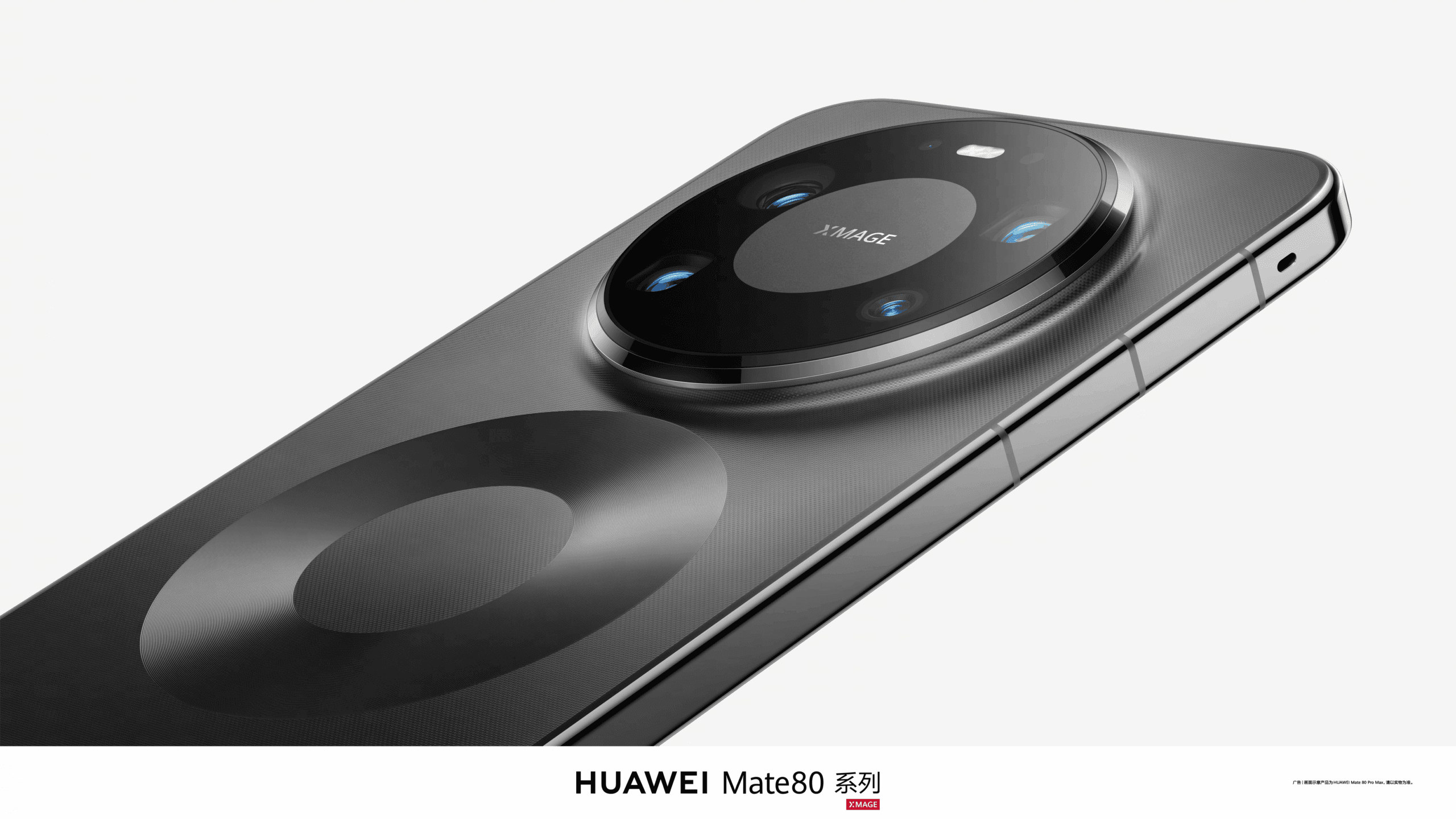
Thanks to some of its most cutting-edge features, the Huawei Mate 80 Pro Max is one of the greatest flagship smartphones of 2025. No, we’re talking about the unique features that are worth your consideration rather than the ultimate specs!
With the Mate 80 Pro Max and its state-of-the-art features, Huawei has addressed every issue, including performance and photography. Let’s examine each of these attributes of the new flagship in greater detail.
Design: the best look!
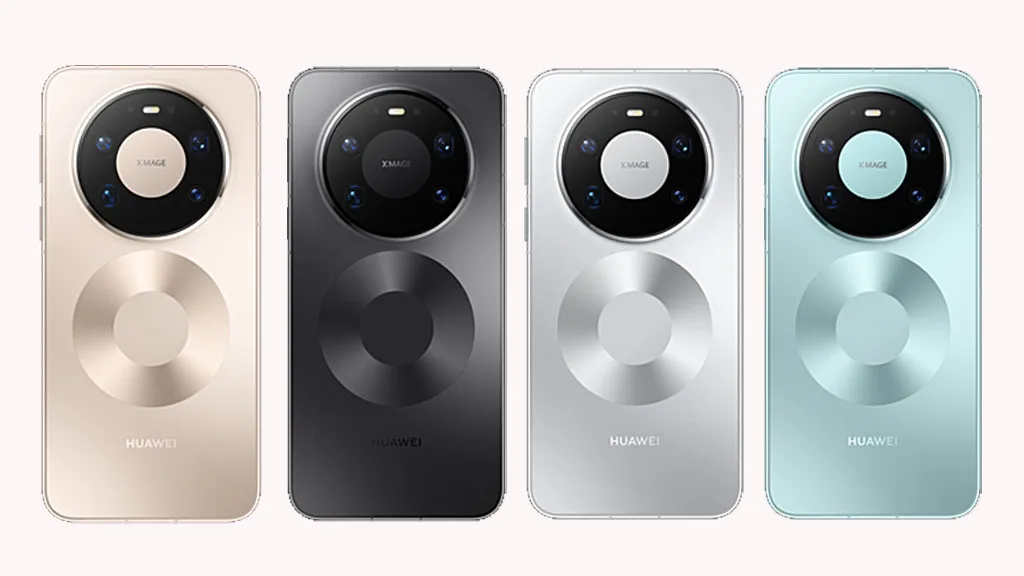
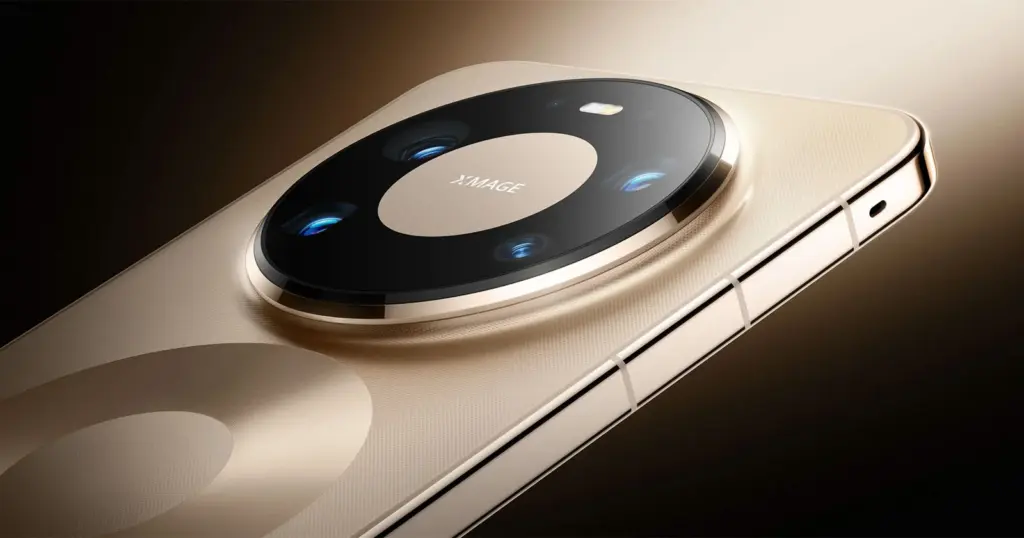
Are you tired of the same old circle camera design on the back? The Mate 80 Pro Max has an infinite appearance because the manufacturer recognizes your feelings.
This specific design strategy alludes to the new smartphone’s limitless, remarkable features. In order to highlight the device’s name and make it seem more auspicious, it also reflects the number “8.” It’s amazing how MATE is integrated into the lens architecture.
In the meantime, your smartphone’s all-metal body guarantees that it will be safe and secure throughout its life, regardless of any drops, water falls, or scratches.
Screen: Brightness like never before
The screen of the Mate 80 Pro Max is the result of some unique work by Huawei. In contrast to previous Mate phones, the 2025 model has a dual-layer OLED panel that lowers battery usage while also increasing brightness.
What’s unique, though? This time, it’s the maximum brightness, which is 8000 nits. The Mate 80 Pro Max is the first phone with this level of brightness, outperforming the iPhone 17 Pro Max and Galaxy S25 Ultra and establishing a new standard for premium models in 2026.
When watching videos or playing games, the screen eventually stays clear even in direct sunshine, and the content’s colors are crisp and vibrant.
Celia AI – the AI assistant
Huawei joined the smartphone market with its Celia AI assistant, competing with Gemini and Siri. It is now a human friend with certain dynamic capabilities rather than an artificial intelligence model.
With just a single utterance, you can now use Celia’s AI assistant to order new products, place restaurant orders, book flights, and perform a number of other tasks.
Tell Celia, for example, if you want to order an outfit or something to eat while playing your favorite game. Additionally, it will take you straight to the payment stage. You can complete the transaction without exiting the game, so don’t worry. Additionally, the app will use your voice to verify the payment.
Connectivity: weak signals become a thing of the past
With antenna breaks on all four sides of the frame (the phone’s rear panel), this would likely be the first gadget. What does that signify? The device will provide seamless communication regardless of how you handle it.
Apps like Beijing Metro Line 10, which gained popularity because to its poor signal, now offer lag-free, uninterrupted video playback. Users may even monitor the weather without internet access thanks to dual-satellite connectivity.
Three barriers can be penetrated and 13 kilometers can be covered via 700MHz wireless communication. As a result, you can communicate with other users even in places where there is absolutely no service.
With its outdoor mode, the Huawei Mate 80 Pro Max’s battery lasts for 14 days. Hiking tracks for some well-known routes can be recorded, imported, or even downloaded with its assistance. Additionally, you identify the rising trend and indicate risk appropriately.
Camera – top tier
Mate phones are not so much imaging devices as they are performance-based ones. However, Huawei has perverted this theory this time. With five potent sensors, including the second-generation multispectral lens, the Mate 80 Pro Max boasts an amazing camera package.
The gadget features a 50MP ultra-high dynamic primary camera, a 40MP ultrawide angle camera, a 50MP super-focus macro telephoto lens, a 50MP super telephoto sensor, and an improved multispectral lens for legendary image and video capture.
The new multispectral camera increases color reproduction accuracy by 43% when paired with the 9th-generation ISP. They are more colorful than ever, regardless of whether the photo needs to be taken underwater, in strong light, or in a gloomy environment.
Thus, these are the incredible qualities of the Huawei Mate 80 Pro Max that truly need your consideration. To improve the overall user experience, additional features include 5A Speed and smart grip.
For many smartphones, tablets, and smartwatches, Huawei has issued a stable HarmonyOS 6 software upgrade that gives consumers who weren’t in the beta program new features.
With this new release, HarmonyOS has excelled in the quality mode, which means the upgrade focuses on fundamental issues such as performance and a better app experience.
HarmonyOS 6-powered Mate 80 Pro Max boasts up to 42% performance leap over the Huawei Mate 70 Pro+ (HarmonyOS 5). This leap is based on the chipset, because to the close coordination between software and hardware
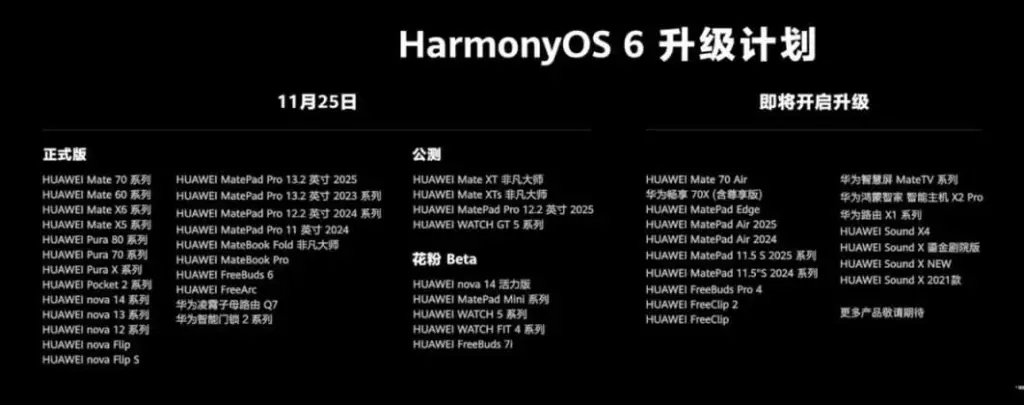
The software for earlier models, including flagship and mid-range handsets, has also been adjusted by the business. Therefore, we can expect some upgrades over the older version. Below, you can check all Huawei devices in the first batch receiving the stable HarmonyOS 6 software update.
You should know that the software is being served for HarmonyOS 5 and HarmonyOS 6 beta users. Huawei formally declared that the total number of HarmonyOS 5 and 6 installations has surpassed 100,000 devices at the Mate 80 series launch event.
Furthermore, the HarmonyOS operating system is supported by the app, which has over 300,000 programs and meta-services via the AppGallery platform. The Chinese market and consumers’ excitement for the most recent Huawei software updates have been the main drivers of this expansion.
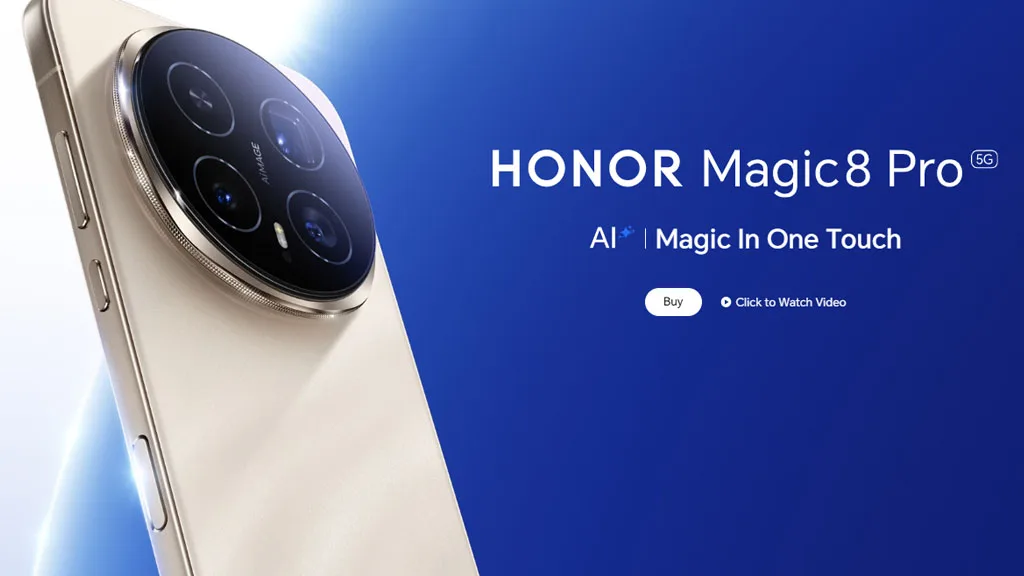
Honor released the Magic 8 Pro smartphone globally, however there is no evidence of the regular version on the global store. Does it indicate the company has introduced the Magic 8 vanilla model only for its home-ground users?
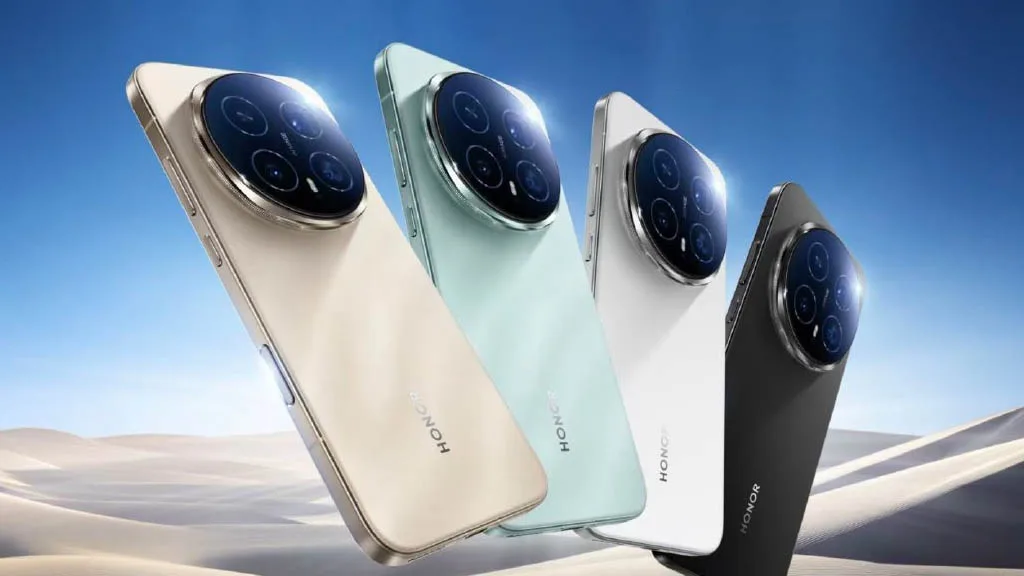
Honor introduced the Magic 8 Pro globally on November 27. The device has been sold outside China in only three colors: Sunrise Gold, Sky Cyan, and Pure Black.
The Magic 8 Pro offers the same slim-trim appearance as its Chinese counterpart. The Honor Magic 8 base model, however, is absent from the frame.
Does the business have some further plans relating to this phone variant? Whether it will launch the appropriate item later in the market or won’t unveil it worldwide at all is a key question to be settled. Ahead of that, let’s study the global Magic 8 Pro.
Magic 8 Pro specs
The Magic 8 Pro global edition weighs 219 grams and measures 161.15 x 8.32 x 75 mm. The gadget has a 6.71-inch OLED screen with 120Hz refresh rate, FHD+ resolution (1256 x 2808), max brightness of 6000 nits, and NanoCrystal Shield.
The smartphone has an Adreno 840 GPU and a Snapdragon 8 Elite Gen 5 CPU. It has two RAM and storage versions (12GB + 512GB and 16GB + 1TB) and pre-installs the MagicOS 10 (Android 16) operating system.
The Magic 8 Pro’s cameras include a 50MP ultra night camera (f/1.6 aperture, 1/1.3-inch, OIS, 4-in-1 2.4µm big pixel output), a 50MP ultrawide-angle camera with 122° wide angle and 2.5cm HD macro shooting, and a 200MP Ultra Night telephoto camera with 3.7x optical zoom and OIS.
Honor has employed a 50MP selfie camera with a 3D depth sensor for facial recognition on the front face. It includes gorgeous photography settings like the telephoto night portrait to deliver magnificent photos with a delicate skin texture at night.
Meanwhile, the Stage Mode ensures that it maintains up with the intricacy of the stage lights and catches character outlines with precision, irrespective of any backgrounds.
Yes, the battery gets downgraded once more, but only little this time. The worldwide Magic 8 Pro smartphone includes a 7100mAh cell pack with a 100W wired and 80W wireless speedy charging. The rest of the specs are the same as the Chinese edition.
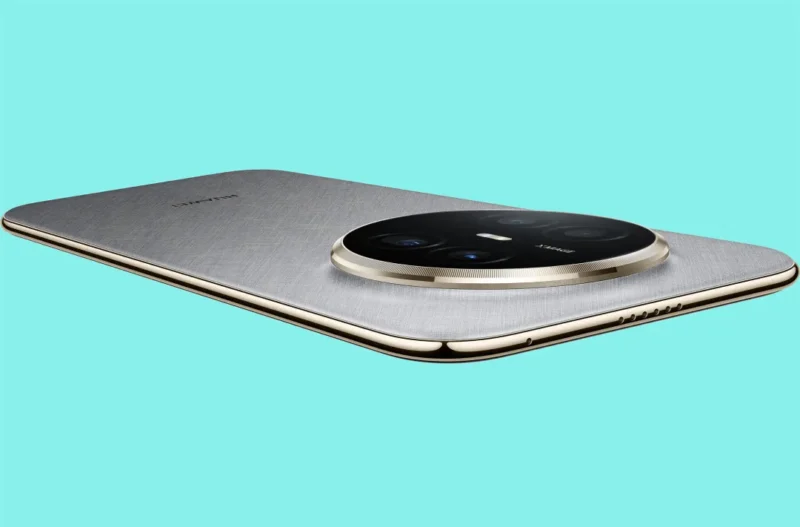
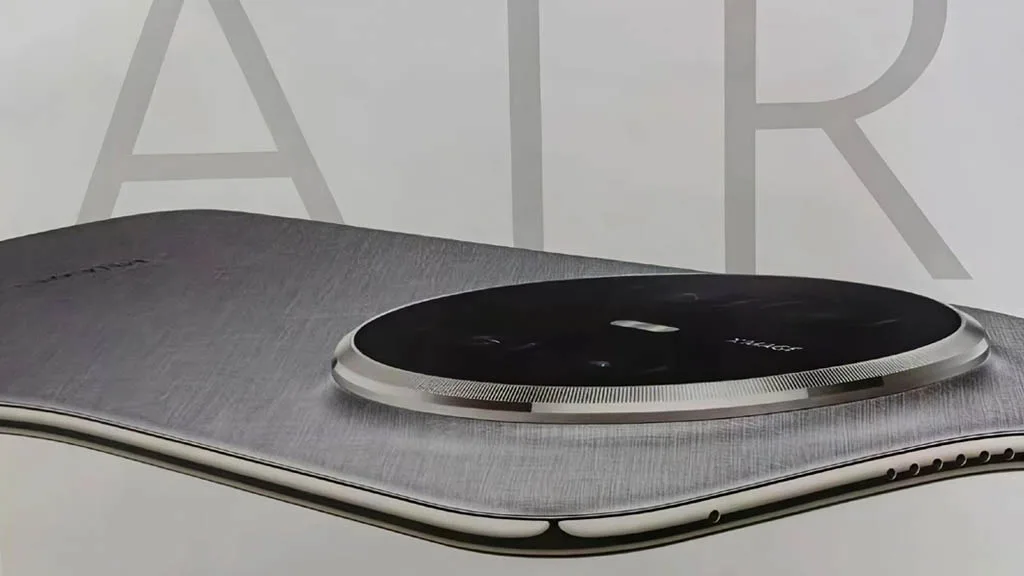
In the battery war, the Huawei Mate 70 Air has defeated the iPhone Air and the Galaxy S25 Edge. The gadget has performed exceptionally well in the area where most brands attempt to make compromises in favor of appearance, although it may be a few millimeters behind in the battle for slimness.
One of the device’s most crucial components is the battery. If it’s a decent one, you won’t have to worry about using a charger for a few days. However, a low-density cell hinders your enjoyment in addition to using more power.
Samsung and Apple devices have excellent features and specifications. However, the battery life is something that these firms are continuously working to improve.
Huawei Mate 70 Air comes with a huge battery
Apple and Samsung are unable to incorporate a higher-density battery into their top phones despite no technological limitations. The batteries of phones such as the Galaxy S25 Ultra and the iPhone 17 Pro Max are 5000mAh and 4823mAh, respectively.
Therefore, it is unrealistic to expect these brands’ thin gadgets to have larger battery capacities. Slimness frequently results in less space for the device’s internal parameters.
Therefore, in order to achieve that ideal tiny profile, tech manufacturers must either reduce the battery capacity or other specifications like camera sensors and more.
It’s interesting to note that the Huawei Mate 70 Air has demonstrated to the manufacturers of the iPhone and Galaxy that a handset can still have a huge battery while still maintaining its thin form.
A 6500mAh ultra-thin silicon-carbon anode battery powers the Mate 70 Air’s remarkable battery life. Additionally, it offers a 66W fast cable charger that quickly charges the tablet without interfering with your video or gaming.
As a result, the Huawei Mate 70 Air smartphone offers flagship-quality battery life in addition to a fully functional experience. You can choose between a thin model with a full power pack or one that is only skinny.
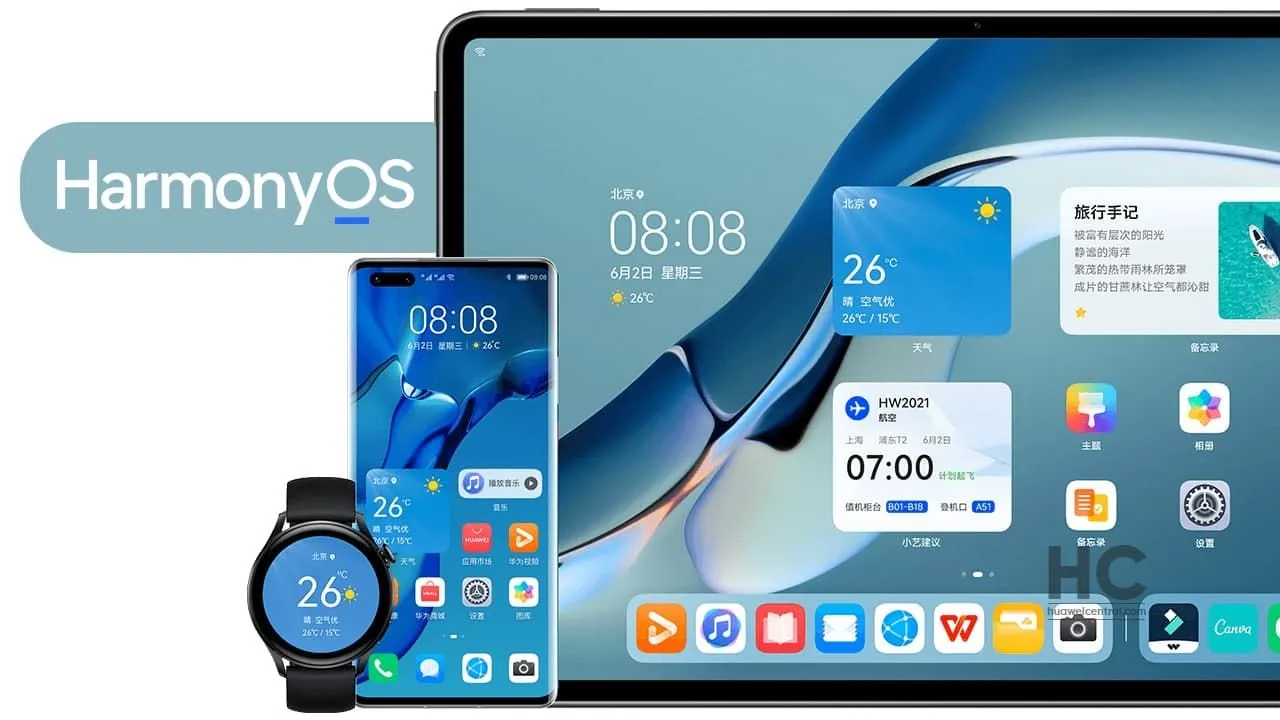
Although HarmonyOS 6.0 has some unexpected features, its performance—which is 40% faster than the previous build—is perhaps more intriguing. Users will notice a really fluid experience in every way, whether it’s animation or app launches.
In response to comments and recommendations from two million consumers, the business improved its operating system. It has improved HarmonyOS 6’s performance by 40%, resulting in faster and more fluid device operations.
Because of the improved Ark Engine, Huawei has reorganized its cloud system-level architecture, hardware core, and software. The company improved the action of app starts, page loads, and renderings by fine-tuning key portions for games and apps.
To put it simply, the Ark Engine combines cloud, hardware, and software vertically. As a result, it improves multi-device connectivity and increases device performance and battery life by 35 to 51 minutes.
The new software system’s fluency has significantly changed as a result of this approach. The overall fluency of HarmonyOS 6.0 is 40% higher than that of HarmonyOS 4.0 and 15% higher than that of HarmonyOS 5.
Increased performance in HarmonyOS 6
After the HarmonyOS 6.0 software system has been installed on your device, you will observe that:
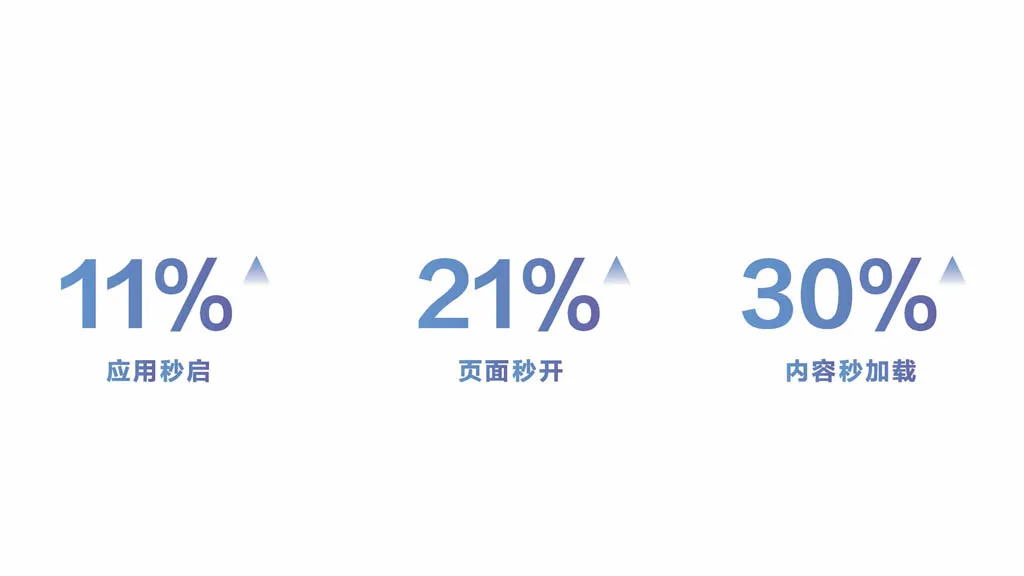
App launches 11% faster than the previous version
Page loading is 21% faster than the previous version
Content loads 30% faster than before
Additionally, users of PCs, phones, and tablets will find it easier to manage big files and complex tasks. Conversely, End-Cloud and Ark Scheduling Engine raise the Delta Operation minimum frame rate by 24%.
On a full charge, the flagship Mate 70 Pro can play top-tier games like Genshin Impact and others for four hours straight. You can quickly enter the game world by tapping on the “Instant Start” function.
The HarmonyOS Galaxy Interconnection architecture lowers power consumption by 20% while increasing connectivity by 160MB/s. The speed of payment features has increased by 30%. You will discover fresh vitality and fluidity in each feature.
The open-source HarmonyOS and Euler operating systems have seen quicker developer growth in China, according to the OpenAtom Foundation.
The OpenAtom Foundation is China’s first open-source software foundation, having been founded in 2020. From the start, Huawei has been a major supporter to the foundation. The business created OpenHarmony, an open-source HarmonyOS and Euler operating system, and gave the foundation the openEuler source code.
According to Cheng Xiaoming, Chairman of the OpenAtom Foundation, there are 2.27 million active open source developers and over 3 million active open source projects in China. These programmers are producing a wide variety of open-source programs and software.
OpenAtom foundation
Additionally, it is disclosed that Chinese developers are at the forefront of open source AI models, such as DeepSeek and Qwen, outperforming their competitors in the worldwide market. By 2025, a 25% global market adoption rate is anticipated for the open source hardware designs embodied by RISC-V.
The upcoming generation of AI computing power systems will be led by open source RISC-V. The open-source HarmonyOS and Euler have achieved the Graduation milestone, according to the OpenAtom Foundation.
An open-source project’s graduation represents its overall maturity in terms of technological iteration, community governance, and ecosystem development, and it is an important milestone in its operation.
Graduating projects will have a significant impact on industry innovation and technological advancement in addition to having strong vitality and sustainable development capabilities. They will also generate more value for developers and consumers worldwide. Graduating projects continue to play a significant role in the Foundation’s environment.
With yet another set of improvements, Huawei has released the HarmonyOS 6.0.1 (API 21) Beta Program for its developers. There aren’t much specifics about the latest software version on the description page. It does, however, include some helpful modifications for ArkUI.
It’s true that this program is in beta. The updated developer version has not yet been made available by the corporation. However, it illustrates the enhancements the build will provide to the chosen devices.
The latest Huawei HarmonyOS 6.0.1 (API 21) Beta will improve the ArkUI capabilities, according to the details. It will enhance the SVG parsing for the image section and introduce new attribute styles to C APIs.
Additionally, the release will improve the ArkWeb and Ability Kit components. It will make it possible for background jobs to facilitate the concurrent development of several long-running operations and greatly enhance map services.
A new edition of DevEco Studio with improved AI-assisted programming features is being introduced by Huawei. Developers will soon be able to access the primary 6.0.1 (21) Beta 1.
HarmonyOS 6.0.1 (API 21) Beta Program
The Mate 60 series, Mate 70 series, Pura X, Mate X5, Mate XT, MatePad Pro 13.2 2025, and MatePad Pro 11 2024 are among the devices that qualify for the latest edition. The updated beta version’s description is available below.
Further enhance the capabilities of ArkUI components by adding a batch of C APIs for attribute styles and improving the SVG parsing capabilities of the Image component.
Ability Kit enhances the processing of results when launching an application.
ArkWeb enhances WebView-related capabilities
Background tasks now support the parallel creation of multiple identical long-running tasks.
Map services have further enriched the scenarios in which they can be directly accessed, and so on.