Category: Smartphones

We cover the latest news, guides, and insights about modern smartphones. We explore new devices, software features, and practical tips that help users get the most out of their phones.

  • DroidLock ransomware targets Android devices to take full control

    DroidLock ransomware targets Android devices to take full control

    The fact that sophisticated and all-encompassing malware like DroidLock is spreading to Android devices is concerning.

    The amount of time we spend on our phones can be frightening. Our social life, banking details, calendar appointments, emails, messages, pictures, and more. This implies that a person who has access to your phone can discover a lot about you.

    DroidLock ransomware explained: infection methods and impact

    According to a Zimperium research, DroidLock ransomware uses a different strategy than conventional ransomware, which encrypts your files. Phishing websites that pose as trustworthy brands or telecom companies’ authentic apps are how the infection propagates. At the moment, it seems to primarily target people who speak Spanish. After installation, the dropper software asks for Device Admin and Accessibility Services rights, giving hackers total control over your device.

    DroidLock ransomware on Android devices

    DroidLock ransomware concentrates on screen overlays and admin abuse rather than locking your data like regular ransomware. Attackers can erase your data, lock your screen, alter your PIN, or even use a VNC remote control to spy on you. Victims receive overlays threatening irreversible data loss and requesting a ransom payment via email within 24 hours.

    The software also monitors your screen and steals credentials from banking apps in order to obtain private data, such as one-time passwords. Your phone can be turned into a spying tool by hackers who can remotely stop calls, spy through your camera, or do a factory reset.

    How to protect yourself from DroidLock

    The good news is that you can take precautions to keep yourself safe. Initially, only download programs from the Google Play Store. Check developer reviews and thoroughly evaluate the permissions being requested before installing any app. Any app asking for authorization to use the Accessibility Service should be particularly suspicious. This is due to the fact that apps have a great deal of influence over your device thanks to Accessibility Service permissions.

    Next, make sure your Android operating system is kept up to date because security patches are included in more recent versions. Usually, these security patches close holes and repair problems that malware could exploit.

    Finally, never download APKs from unreliable sources and refrain from clicking on dubious links received via email or chat apps. Because compromised devices can intercept corporate OTPs or erase work data, the issue is considerably more severe for enterprises. These procedures are a good and rather simple place to start, even though they might not provide 100% protection against malware.
  • Android 16 arrives on Samsung phones with the new One UI 8.5 update

    Android 16 arrives on Samsung phones with the new One UI 8.5 update

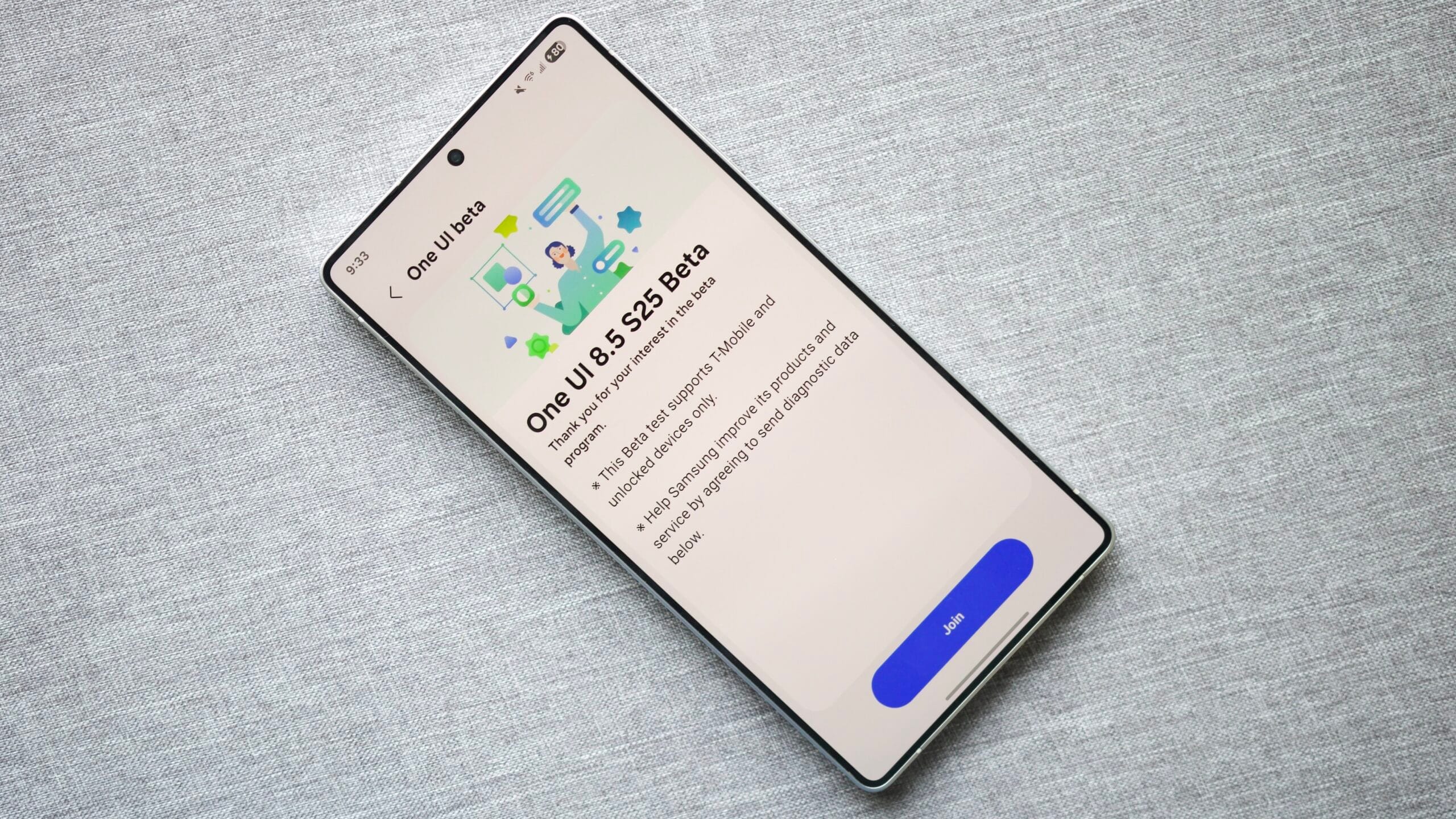
    A significant update based on Android 16 was just released by Samsung for some Galaxy handsets. However, what is actually contained in this unexpected year-end update? These are all the exciting new features and improvements you can anticipate.

    The frequency of Samsung’s software updates is rapidly increasing. The South Korean company has now launched the One UI 8.5 beta program, which is likewise based on Google’s release of Android 16 QPR2 for Pixel phones. The program now lists the Galaxy devices that can test the software, but the most of the major features were previously disclosed.

    Which devices got One UI 8.5?

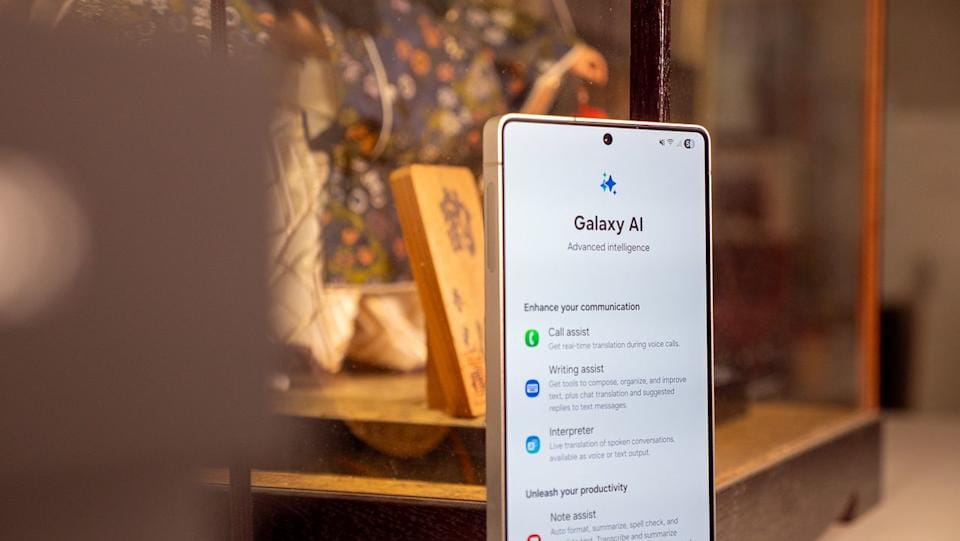
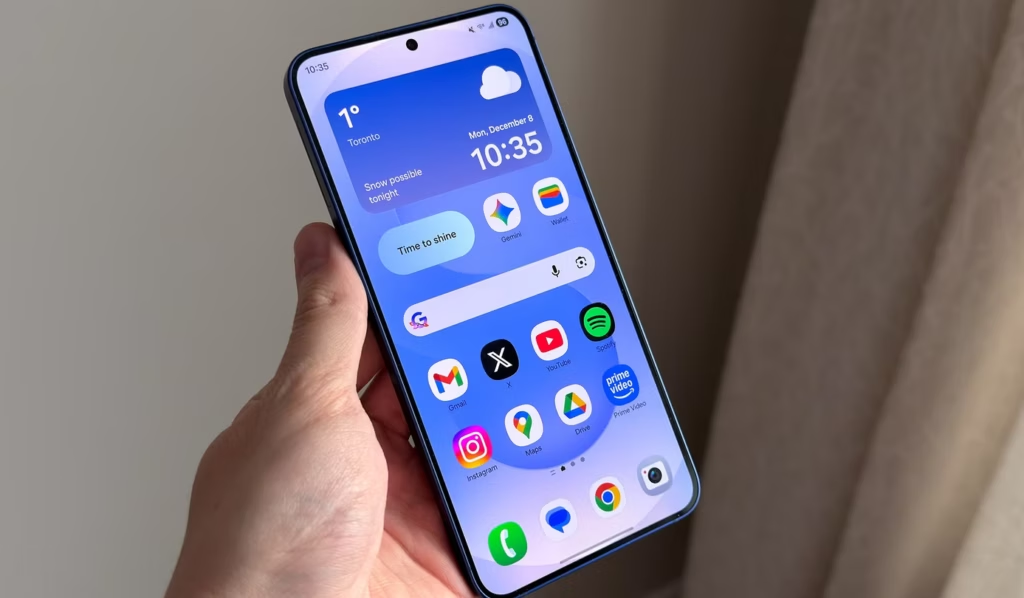
    samsung one ui 8.5 - phone in hand

    Samsung declared in an official press release that One UI 8.5 is compatible with the Galaxy S25, S25 Plus, and S25 Ultra; however, the S25 Edge is not part of the beta. Enrollment is restricted to a few areas; in the US, Germany, India, South Korea, Poland, and the UK, access is available via the Samsung Members app.

    Through the app, users in those nations with compatible smartphones can sign up for the beta test. However, like with the introduction of One UI 8, participation is not guaranteed everywhere because spots may be limited.

    Although the list is anticipated to be identical to that of the prior beta, Samsung has not yet disclosed which further Galaxy handsets would be qualified.

    One UI 8.5 got some AI

    It seems that the features and modifications that were leaked last week are correct. The AI department has seen some significant improvements. Unlimited image creation, edit history, and ongoing edits are now supported by Photo Assist. Quick Share is now more intelligent, recommending contacts found in images for simpler sharing. While Social Composer may automatically create descriptions based on photos before sharing, Meeting Assistant offers real-time translation.

    Additionally, Samsung has kept improving the user interface. In version 8.5, lock screen wallpapers are more dynamic and better adjust to other elements, and Quick Settings now has cleaner toggles for widgets and shortcuts. Security and privacy controls have also been simplified, with a more straightforward permission manager and simpler access to settings.

    Samsung has incorporated some of Google’s built-in capabilities, such as Auracast broadcast support with LE-enabled headphones and speakers, because the update is based on Android 16 QPR2. The business might also offer expanded dark mode and redesigned app icons.

  • More Xiaomi devices receive HyperOS 3 powered by Android 16

    More Xiaomi devices receive HyperOS 3 powered by Android 16

    With HyperOS 3.0, Xiaomi is intensifying its efforts to offer Android 16. At last, older Xiaomi smartphone models are catching up. Is this the company’s most ambitious Android update cycle to date?

    It is difficult to bring significant Android updates to the front row given Xiaomi’s extensive selection of Android devices. Android 16’s pace has improved somewhat since its skinned HyperOS 3 was released on a few models in August and September, with the global release scheduled for October. With more phones, especially older models, receiving a taste of fresh Android software, the business has now taken a bigger step before the year ends.

    HyperOS 3 update with Android 16

    More Xiaomi Devices Get Android 16

    Xiaomi just released HyperOS 3.0 on a number of smartphones in its own country. Among them are popular mid-range devices such as the Redmi Note 13 Pro (Plus), Redmi Note 14 Pro (Plus), and Redmi Note 15 Pro (Plus). It is strange that the Redmi Note 15 Pro was not included in the initial batch, given they were released in 2023, 2024, and 2025, respectively.

    The Xiaomi 13 series, which includes the 13 Pro and 13 Ultra (review), is also covered in the release. The 13 Ultra was released a few months after the previous two, which made their premiere in the end of 2022. What does this imply for phones that are sold outside of China, then?

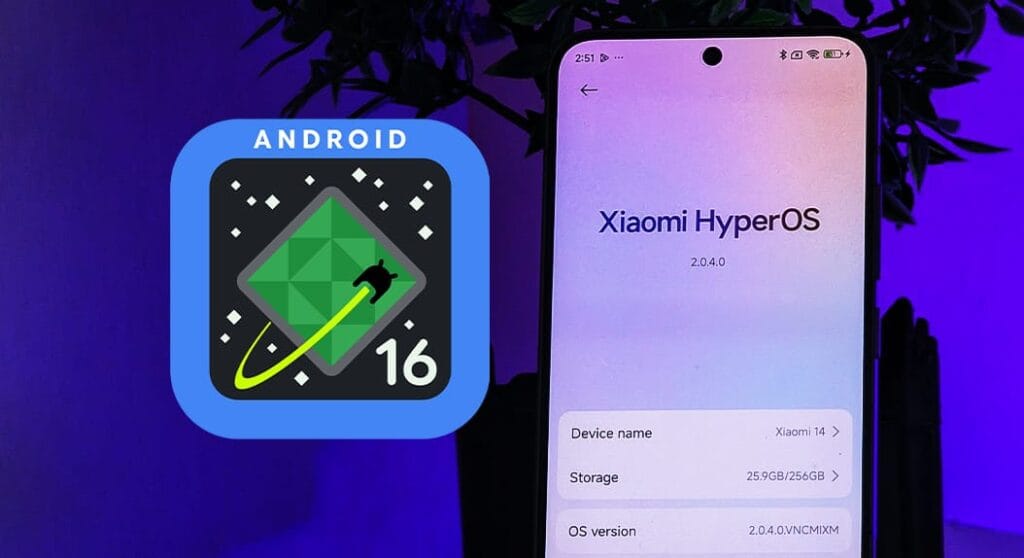
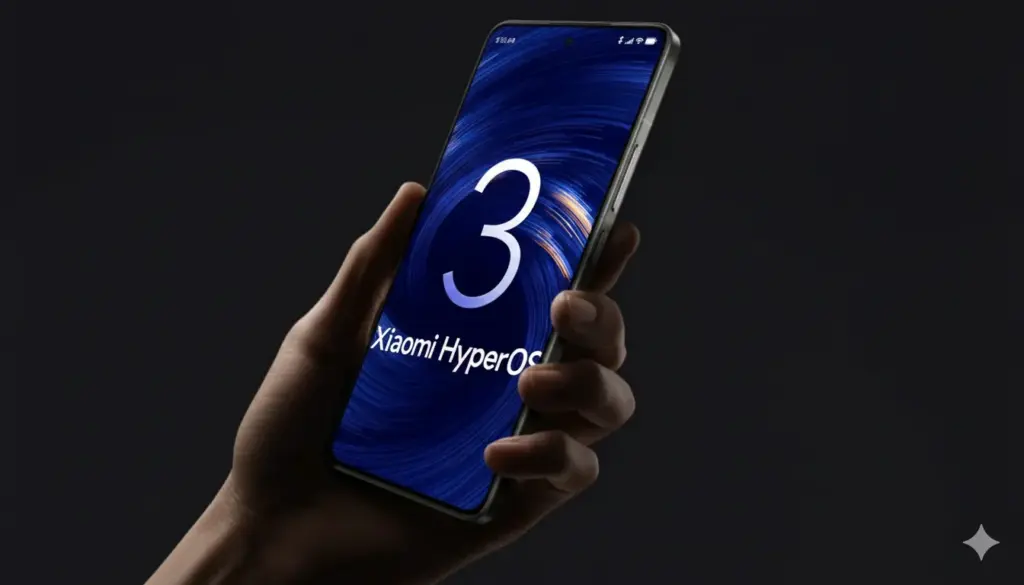
    android 16 HyperOS 3 phone in hand

    What Makes HyperOS 3.0 Worth the Wait?

    With multiple UI modifications, HyperOS 3.0 is a more exciting version than HyperOS 2.0. App icons and system text, as well as the home screen and quick settings, all have a more contemporary and tidy appearance. AI wallpapers and new styling are also added to the lock screen. The Super Island, which displays dynamic and live widgets using the notch, is a more noteworthy visual innovation.

  • Google releases Android 16 QPR2, introducing 3 notable new features

    Google releases Android 16 QPR2, introducing 3 notable new features

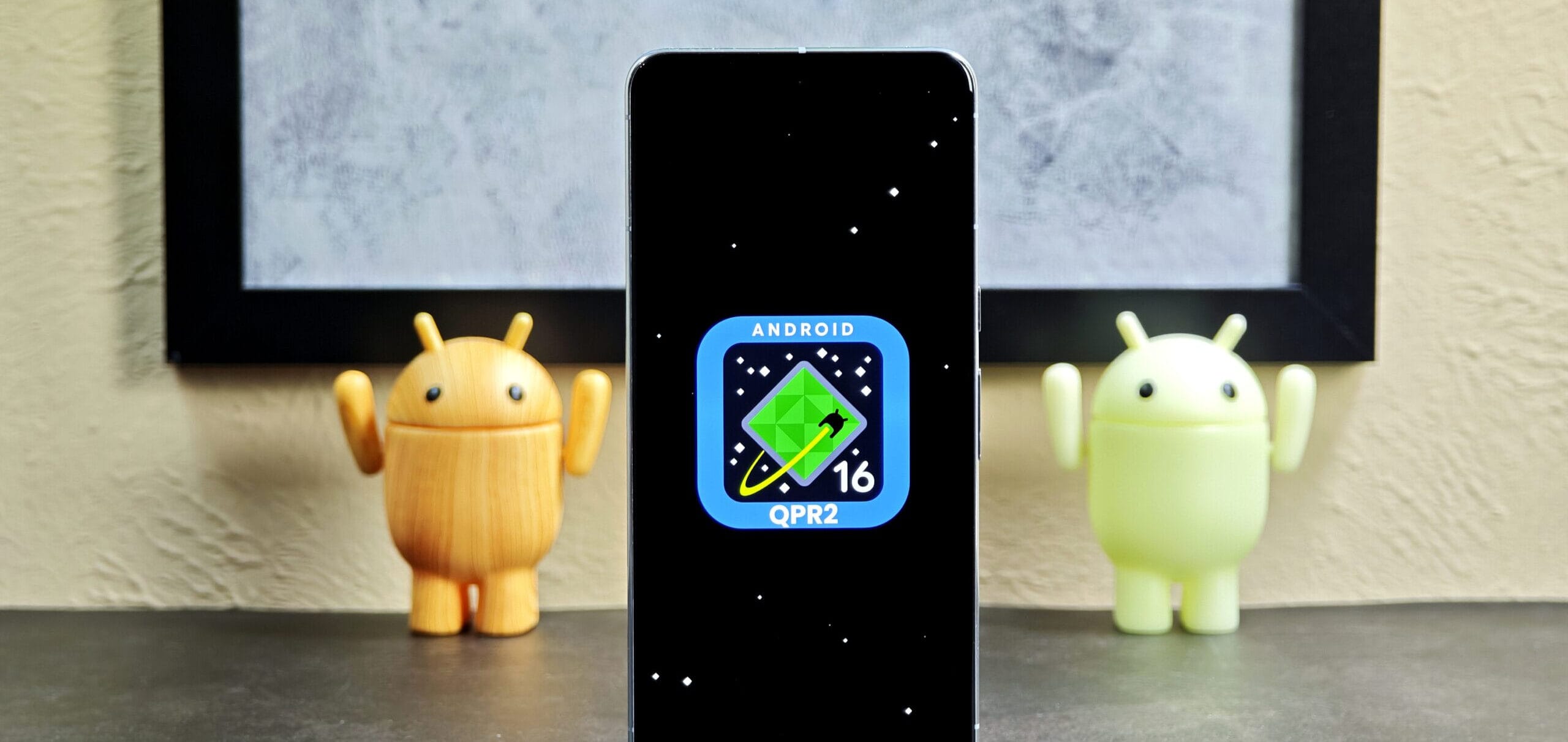
    Your phone may be ready for an update as Google is releasing its Android 16 Quarterly Platform Release (QPR) 2.

    Numerous new features that should enhance performance, usability, and other aspects are included in the Android 16 QPR2 release. Check out these three new features.

    Lockscreen widgets

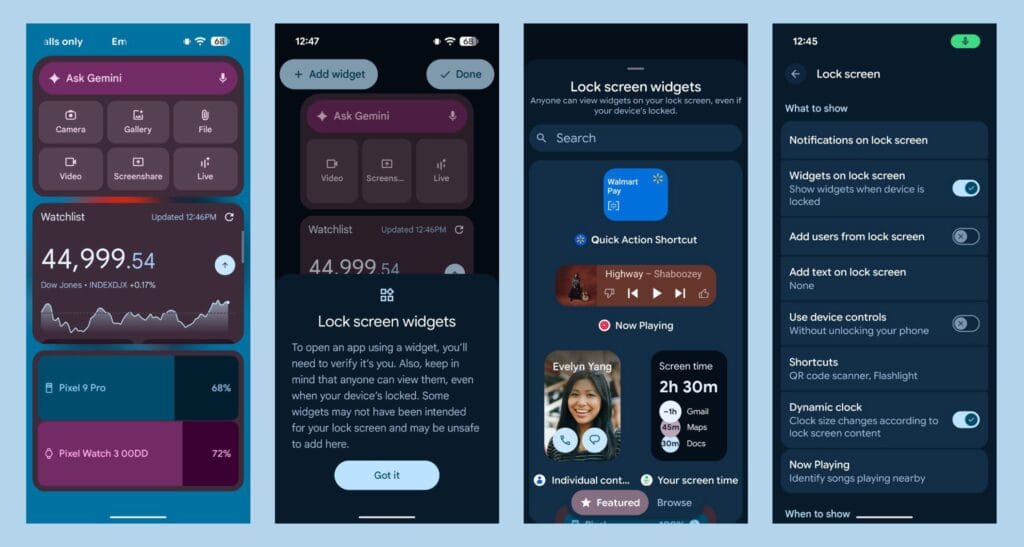
    With the latest version of Android 16 QPR2, you can add widgets that show up when you swipe left on your lock screen. 9to5Google according to Google, you may activate the functionality by going to “Settings > Display & touch > Lock screen > Widgets on lock screen.” This implies that you will have easy access to your camera, calendar, and other devices.

    Android 16 QPR2 lockscreen widgets

    Manage alerts with notification organizers and smart summaries

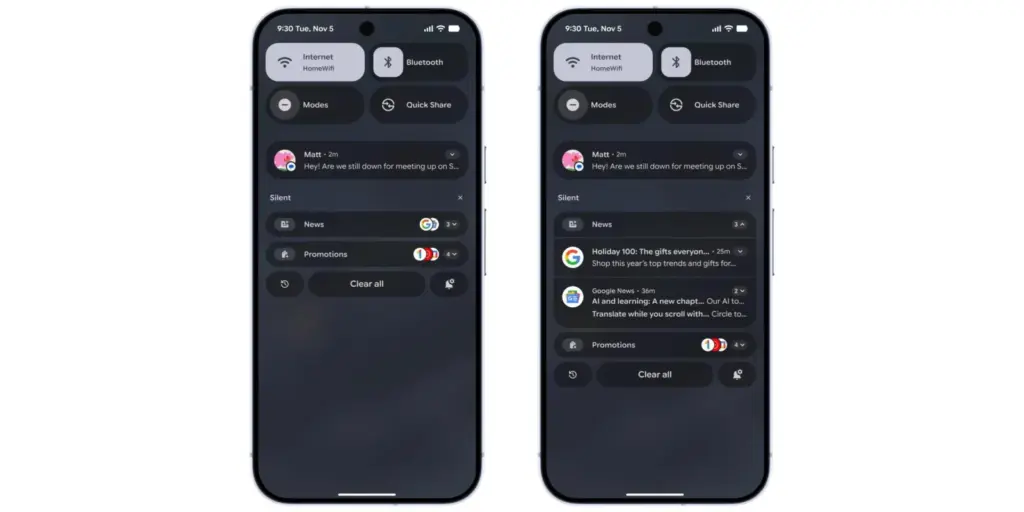
    We all get overloaded with notifications, so pay attention. Android 16 QPR2 claims to use AI to control those annoying alerts. A lengthy message in a group chat, for example, will be summarized by the upgraded software, which will also automatically prioritize more significant notifications.

    “Your lower-priority notifications (including news, promotions, and social alerts) are automatically grouped and silenced by Notification Organizer, which helps you focus on what really matters with fewer distractions. The notification organizer will be accessible in the upcoming weeks and is being released in phases, according to Google.

    Improved parental controls

    With Android 16 QPR2, parents may monitor their children’s devices from a single spot thanks to the “parental controls” option in settings. It will enable parents to regulate app usage, set screen time limits remotely, and schedule when a child’s device locks.

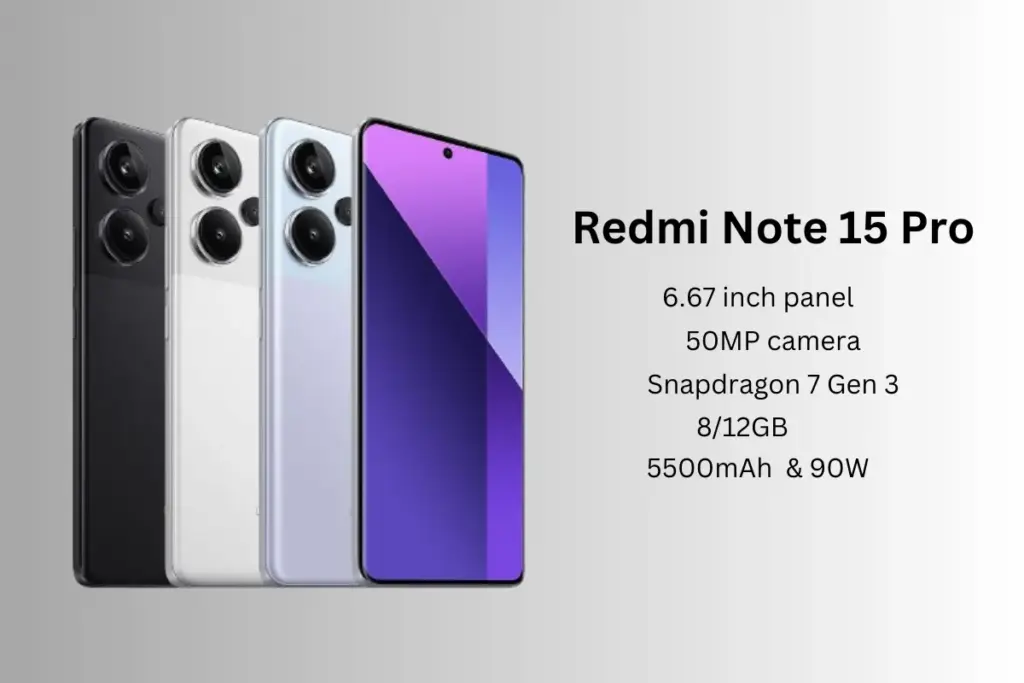
  • Global debut for the Redmi Note 15 series as sales kick off next week

    Global debut for the Redmi Note 15 series as sales kick off next week

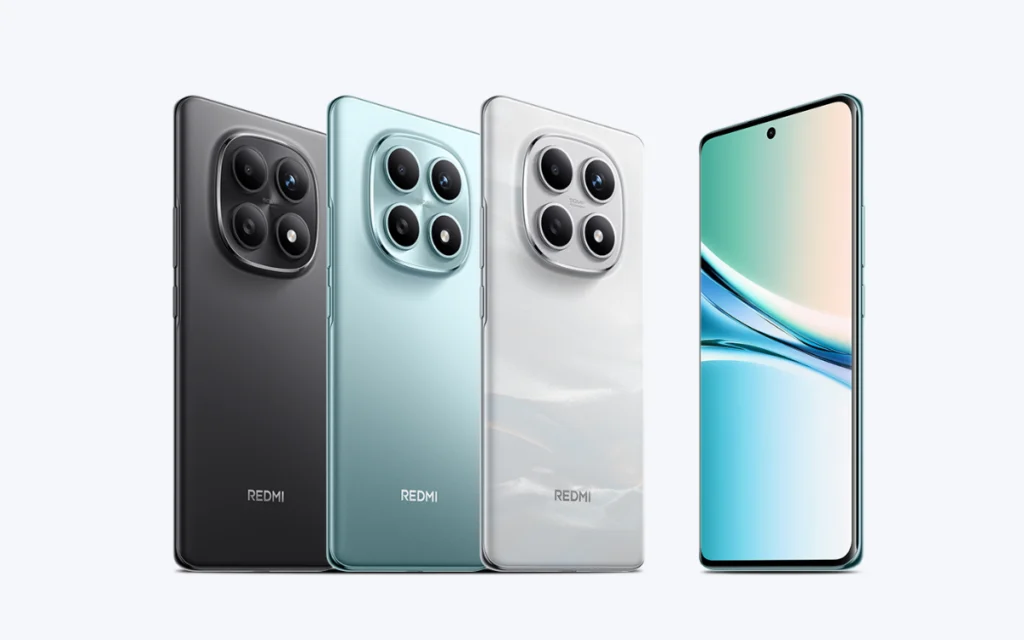
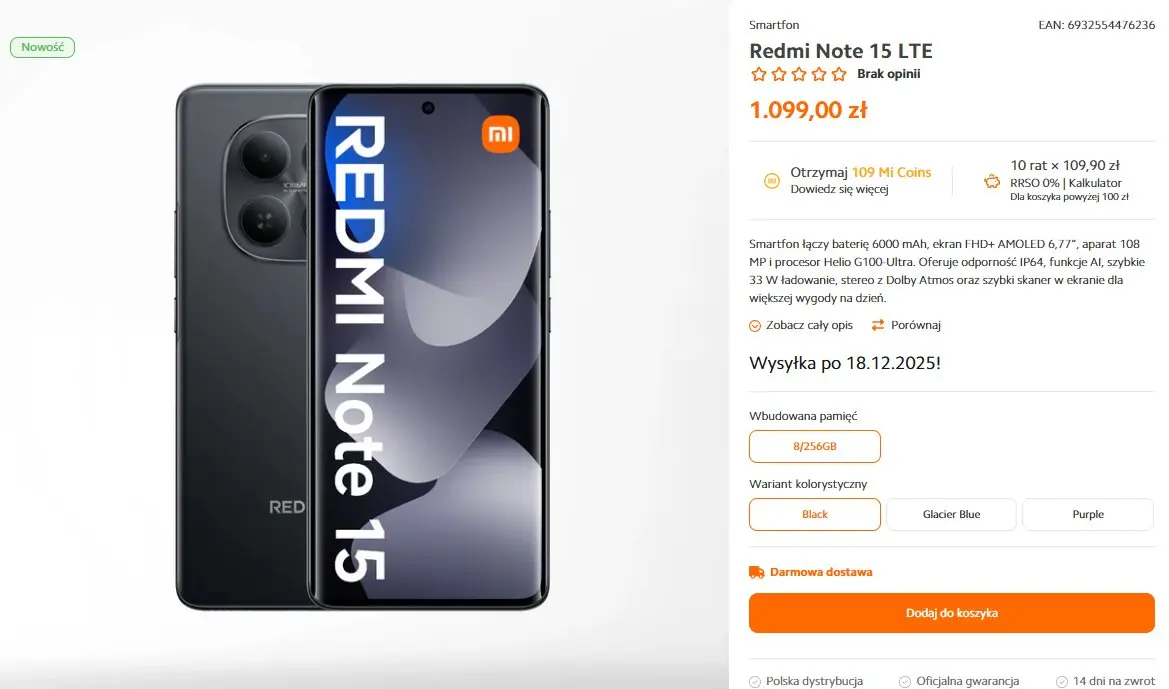
    Beginning with an unexpected soft launch in Poland, the Redmi Note 15 series has been formally released to international markets. This new selection advances Xiaomi’s objective of bolstering its mid-range portfolio by bringing significant improvements in display quality, battery life, and camera capabilities. The series’ models, which debuted in China in August of last year, are now available to consumers worldwide with competitive price and a refined feature set.

    Redmi Note 15 series

    Pricing and availability

    Both LTE and 5G models of the Redmi Note 15 family will be available in Poland, and shipping will start in a week. This makes it one of the series’ first international releases this season. The prices shown below have been converted to USD for better comparison, however bear in mind that they are local Polish listings:

    ModelPoland PriceApprox. USD
    Redmi Note 15 LTE1,099 PLN~$290
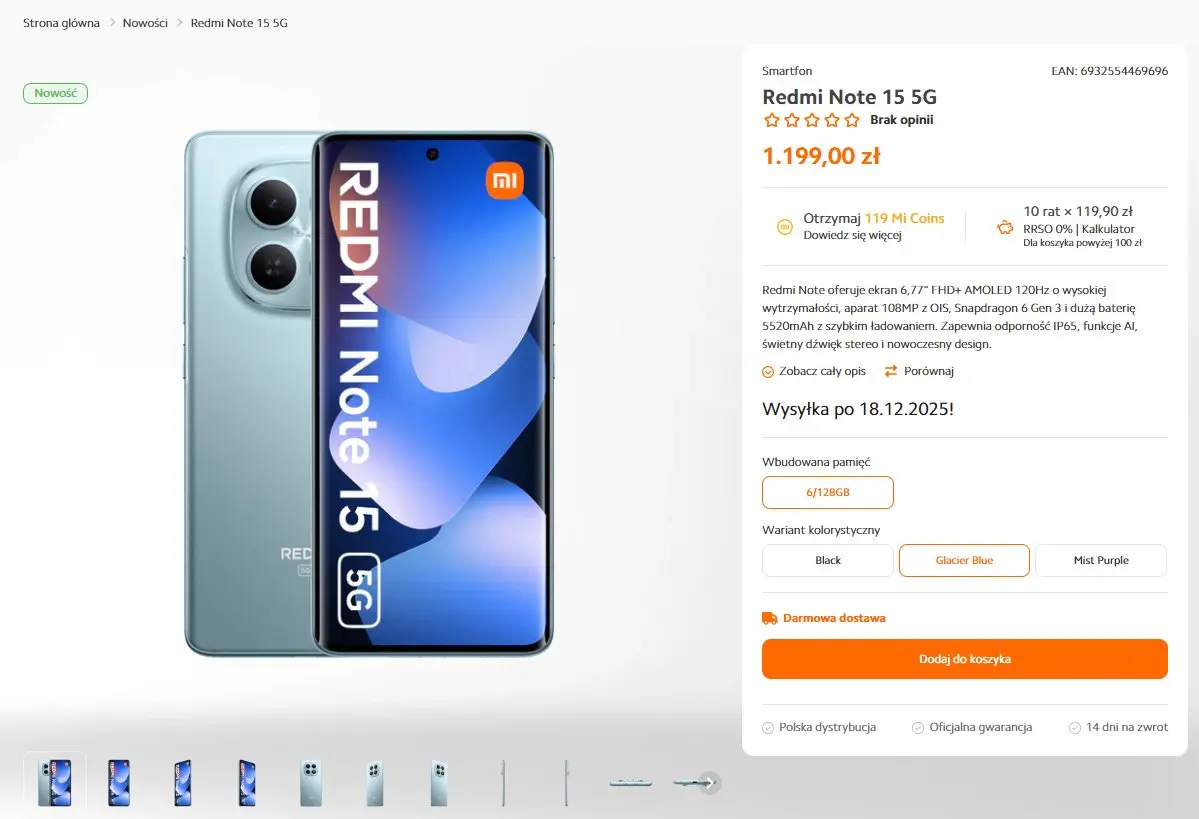
    Redmi Note 15 5G1,199 PLN~$315
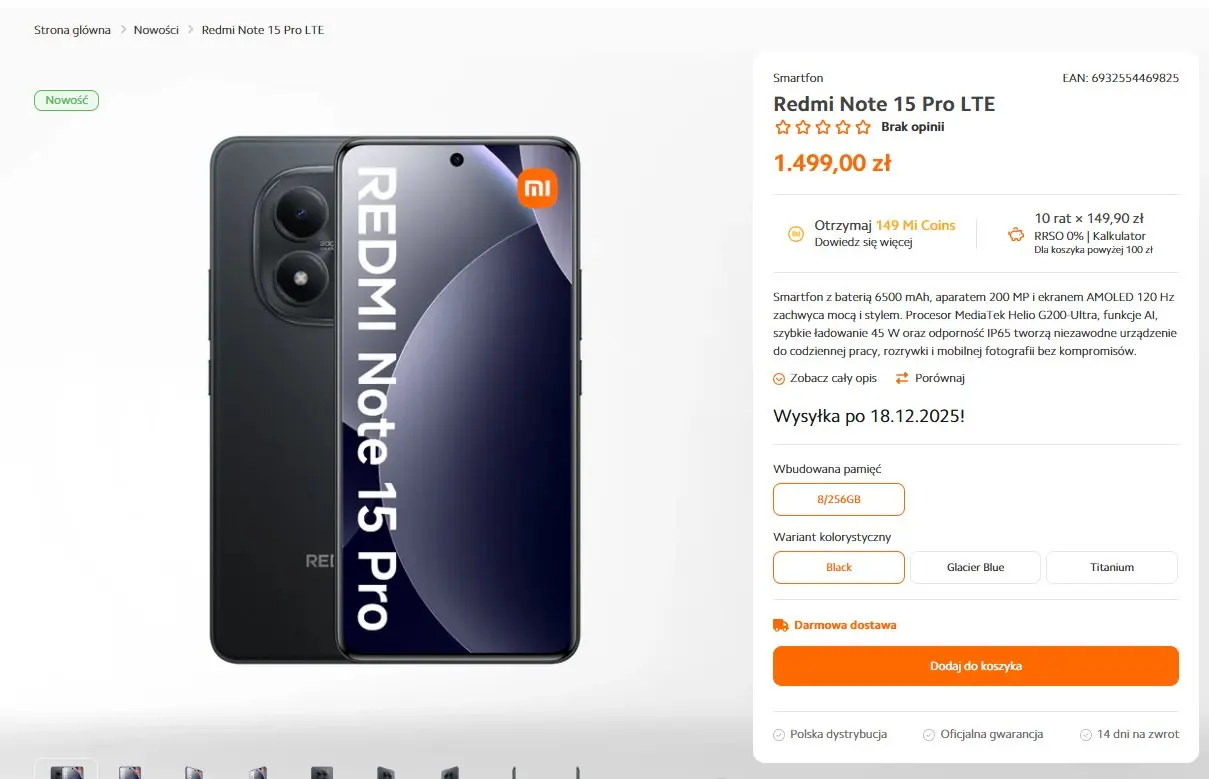
    Redmi Note 15 Pro LTE1,499 PLN~$395
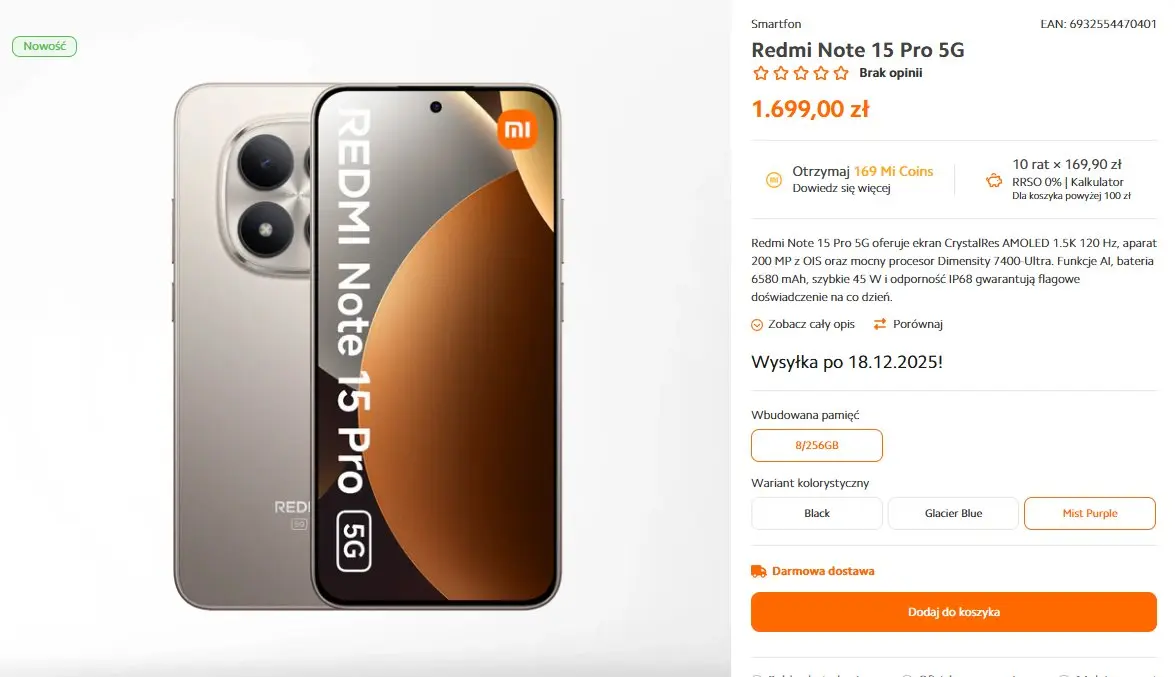
    Redmi Note 15 Pro 5G1,699 PLN~$445
    Redmi Note 15 Pro+ 5G (8/256 GB)1,999 PLN~$520
    Redmi Note 15 Pro+ 5G (12/256 GB)2,299 PLN~$600

    For buyers seeking a robust media performance and extended battery life without going above flagship costs, the Redmi Note 15 series’ pricing puts it in a balanced position.

    Specs

    The Redmi Note 15 lineup’s chipset options are further divided by the various connectivity configurations. To maximize thermal stability and performance efficiency, Xiaomi keeps dividing its LTE and 5G models along CPU family lines.

    A thorough comparison of the four primary models can be found below:

    FeatureRedmi Note 15 LTERedmi Note 15 5GRedmi Note 15 Pro LTERedmi Note 15 Pro 5G
    ProcessorHelio G100-UltraSnapdragon 6 Gen 3Helio G200-UltraDimensity 7400-Ultra
    Main Camera108 MP108 MP (OIS)200 MP200 MP (OIS)
    Battery6000 mAh5520 mAh6500 mAh6580 mAh
    Charging33WFast Charging45W45W
    Display6.77″ FHD+ AMOLED6.77″ FHD+ AMOLED 120HzAMOLED 120Hz1.5K CrystalRes AMOLED 120Hz
    IP RatingIP64IP65IP65IP68

    Starting with the Pro 5G model’s 1.5K CrystalRes AMOLED panel, it significantly improves display and camera capability. Additionally, compared to earlier Redmi Note generations, there is more pixel density and improved color accuracy. Simultaneously, the Pro models’ 200 MP OIS cameras provide smoother video capture and improved quality in night pictures.

    With lineups ranging from 5520 mAh to 6580 mAh for prolonged everyday use, Xiaomi maintains its battery-focused strategy. The Pro versions strike a solid mix between battery health and recharging speed with their 45W rapid charging.

    Xiaomi’s consistent progress into the mid-range market is embodied in the new Redmi Note 15 series. The series is expected to generate a lot of attention worldwide, especially through channels like Google Discover and local online merchants, thanks to its enhanced screens, large batteries, and potent high-resolution cameras. These are expected to be among the most feature-rich and accessible in their class when shipments begin next week.

  • POCO F6 Pro receives HyperOS 3 with Android 16 and Super Island

    POCO F6 Pro receives HyperOS 3 with Android 16 and Super Island

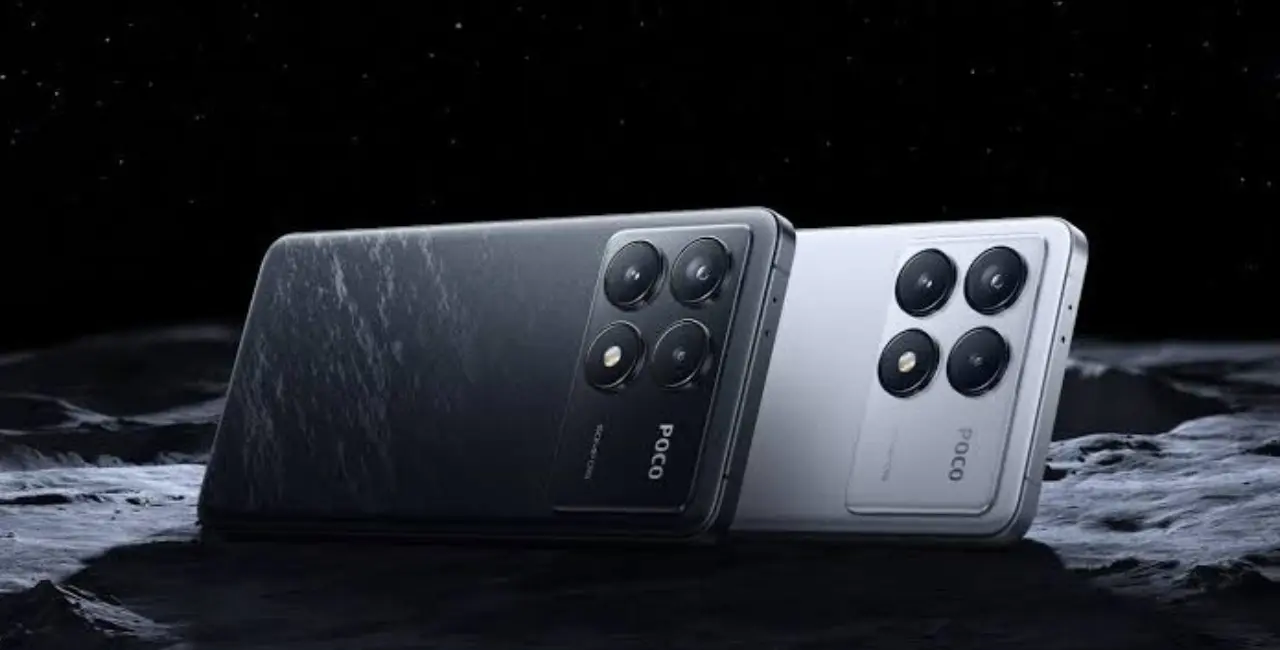
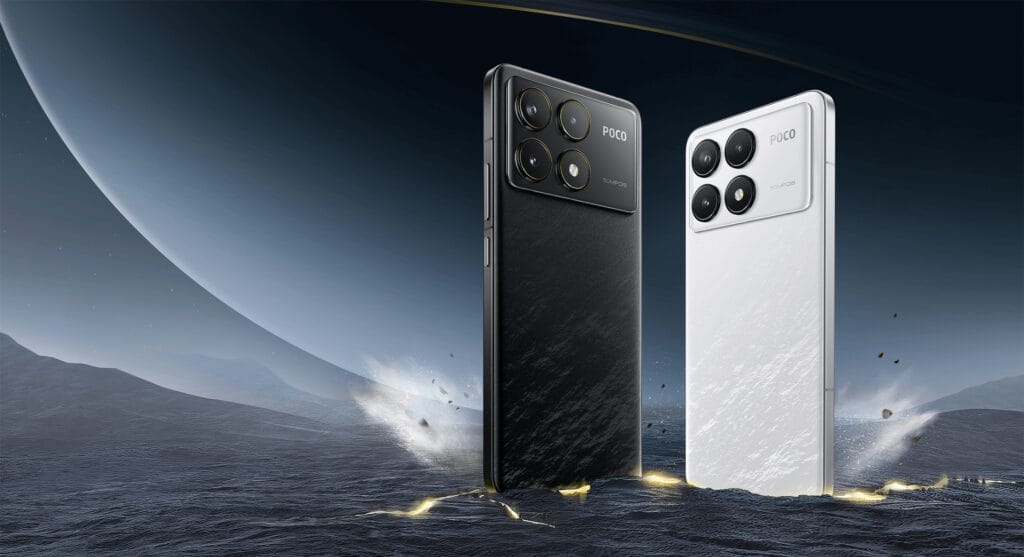
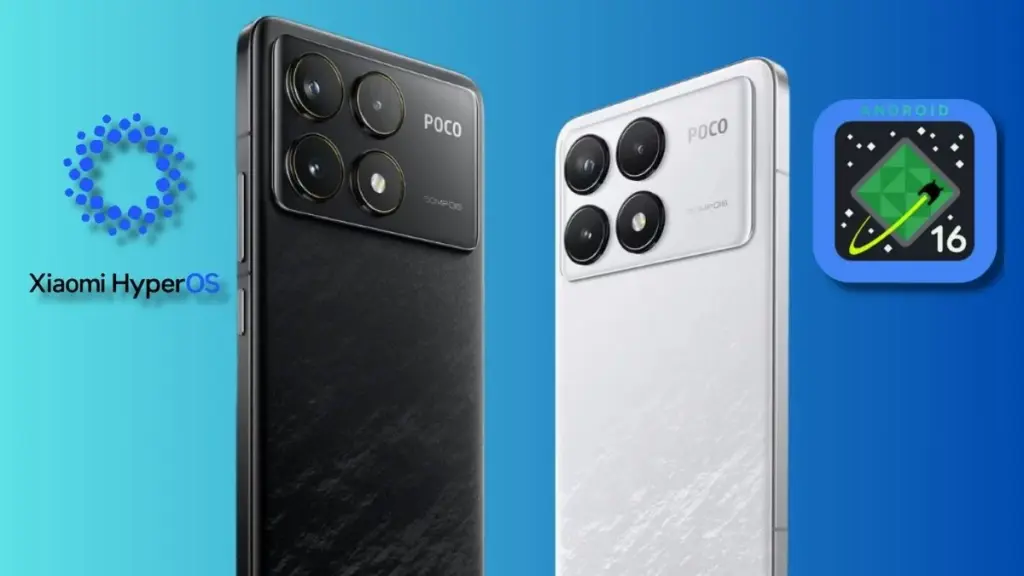
    With the official release of the HyperOS 3 upgrade for the POCO F6 Pro, which is based on Android 16, Xiaomi’s worldwide flagship platform has undergone a significant software evolution. Smoother visual interactions, AI-level system enhancements, and performance stability for demanding users are the main goals of this update. The upgrade, which is presently accessible via the official Recovery ROM channel, validates Xiaomi’s long-term software plan for high-end POCO devices.

    Poco F6 Pro receives HyperOS 3 based on Android 16

    For the worldwide version of the device, which is internally connected to the Redmi K70 platform, a new firmware known as OS3.0.4.0.WNKMIXM has been made available. According to the update, POCO’s flagship lineup is in line with Xiaomi’s most recent system design and long-term Android policy. In everyday usage scenarios, such as gaming, multitasking, and professional workloads, HyperOS 3 is designed to provide more responsive animations, lower power consumption, and stronger system-level intelligence.

    Tech details

    The update strengthens system stability and modernizes the user interface while keeping a consistent business-grade experience.

    • Device codename: vermeer_global
    • Base system: Android 16
    • Build number: OS3.0.4.0.WNKMIXM
    • Distribution type: Recovery ROM
    • Region: Global (POCO F6 Pro / Redmi K70 platform)

    What is new?

    A more organized and effective visual language that prioritizes practical usability over ostentatious visual elements is introduced in HyperOS 3. While maintaining Android’s flexibility, Xiaomi has improved program icons, created a better notification hierarchy, and introduced a more seamless version of the iOS-style interaction experience. Super Island is a new feature that improves multitasking by enhancing the behavior of mini-widgets, background processes, and floating windows throughout the system.

    Main updates

    Users receive a balanced combination of performance, visual, and AI-level upgrades:

    • Advanced AI system optimizations for background tasks
    • Refreshed system icons with better visual clarity
    • iOS-style visual flow with improved gesture animations
    • Super Island for smarter floating windows and task continuity
    • Enhanced battery efficiency under heavy usage
    POCO F6 Pro update android 16 and hyperos 3

    Currently available through Recovery ROM, the HyperOS 3 upgrade is designed for POCO F6 Pro devices worldwide. By releasing this build in stages to guarantee long-term dependability, Xiaomi continues to uphold regional stability. Users are urged to stay away from unofficial downloads and adhere to Xiaomi’s official update policy.

  • Huawei Mate 80 Pro Max debuts with impressive new innovations – review

    Huawei Mate 80 Pro Max debuts with impressive new innovations – review

    Thanks to some of its most cutting-edge features, the Huawei Mate 80 Pro Max is one of the greatest flagship smartphones of 2025. No, we’re talking about the unique features that are worth your consideration rather than the ultimate specs!

    Huawei Mate 80 Pro Max

    €980
    4.7 out of 5
    The Mate 80 Pro Max is a game-changer in the Huawei smartphone portfolio, not just a name change. The business has made an effort to address every shortcoming of the previous Mate phones with the new model.
    Design 4.8 out of 5
    Performance 4 out of 5
    Display 5 out of 5
    Connectivity 5 out of 5
    Camera 4.9 out of 5
    ✓ The Good nice design new tech used HarmanyOS performs very good
    ✗ The Bad no Google Play services not available in US

    With the Mate 80 Pro Max and its state-of-the-art features, Huawei has addressed every issue, including performance and photography. Let’s examine each of these attributes of the new flagship in greater detail.

    Design: the best look!

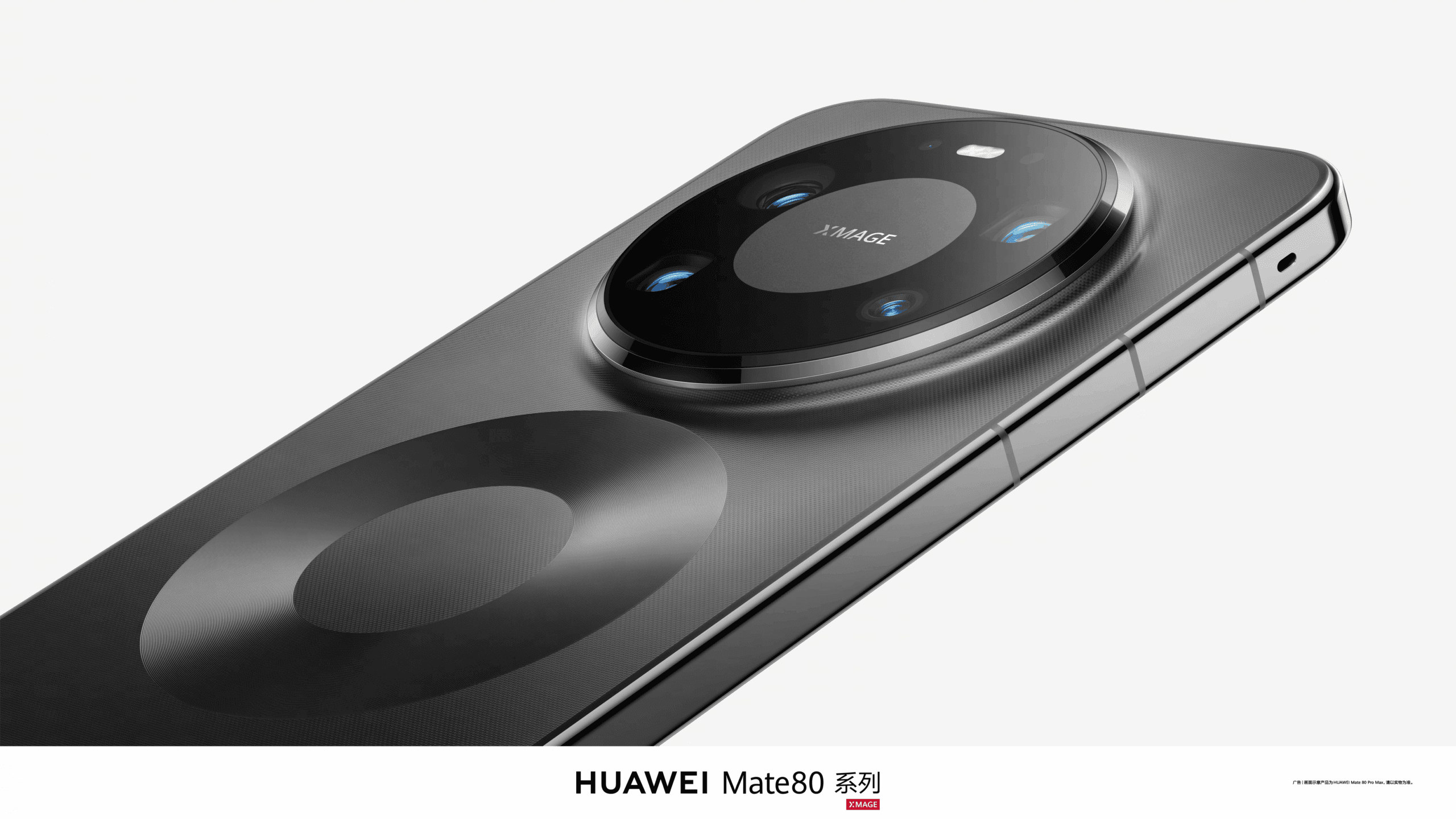
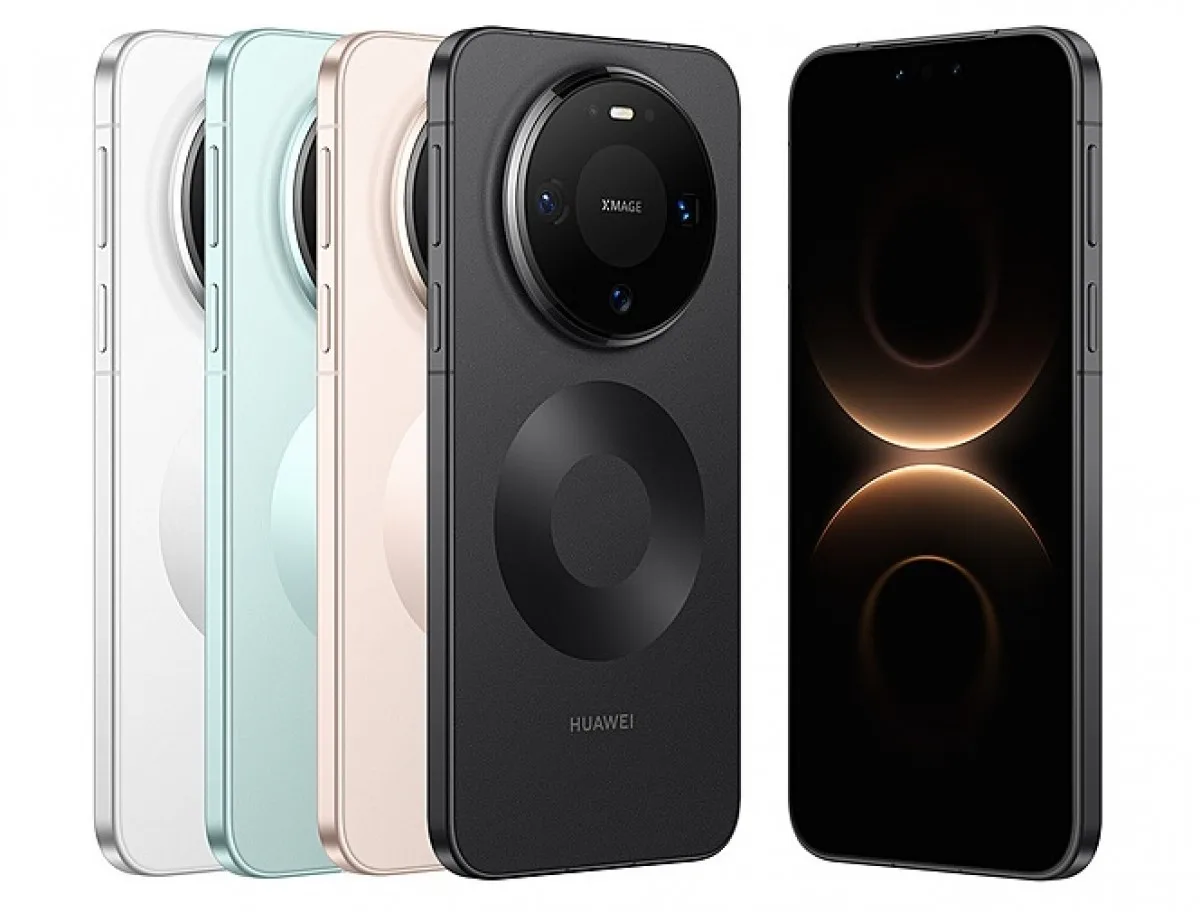
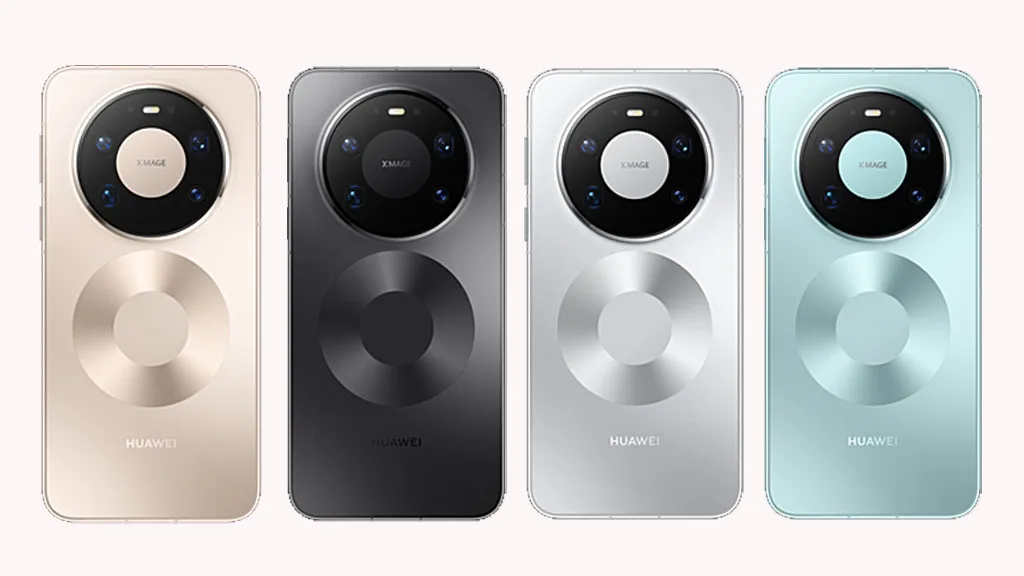
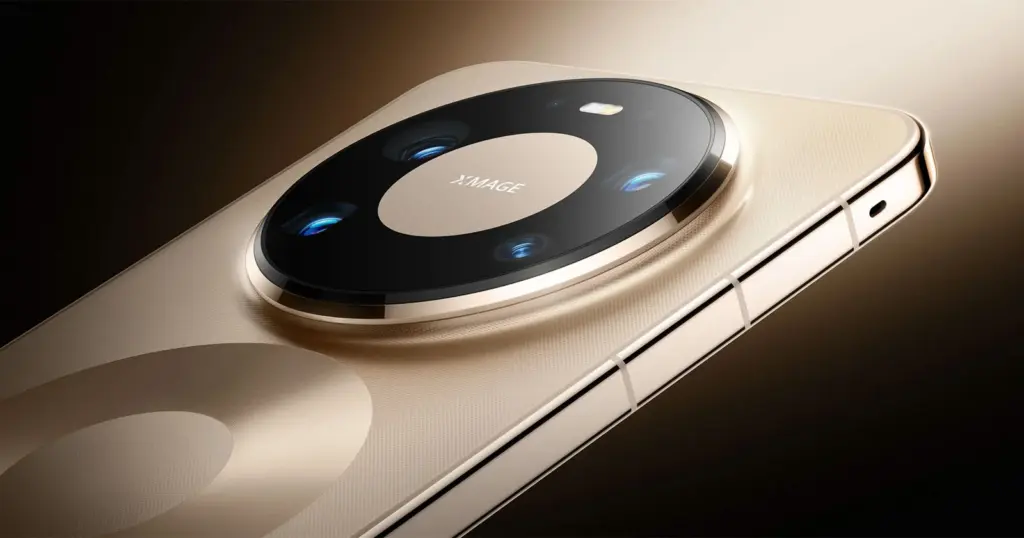
    Mate 80 Pro Max colors and design

    Are you tired of the same old circle camera design on the back? The Mate 80 Pro Max has an infinite appearance because the manufacturer recognizes your feelings.

    This specific design strategy alludes to the new smartphone’s limitless, remarkable features. In order to highlight the device’s name and make it seem more auspicious, it also reflects the number “8.” It’s amazing how MATE is integrated into the lens architecture.

    In the meantime, your smartphone’s all-metal body guarantees that it will be safe and secure throughout its life, regardless of any drops, water falls, or scratches.

    Screen: Brightness like never before

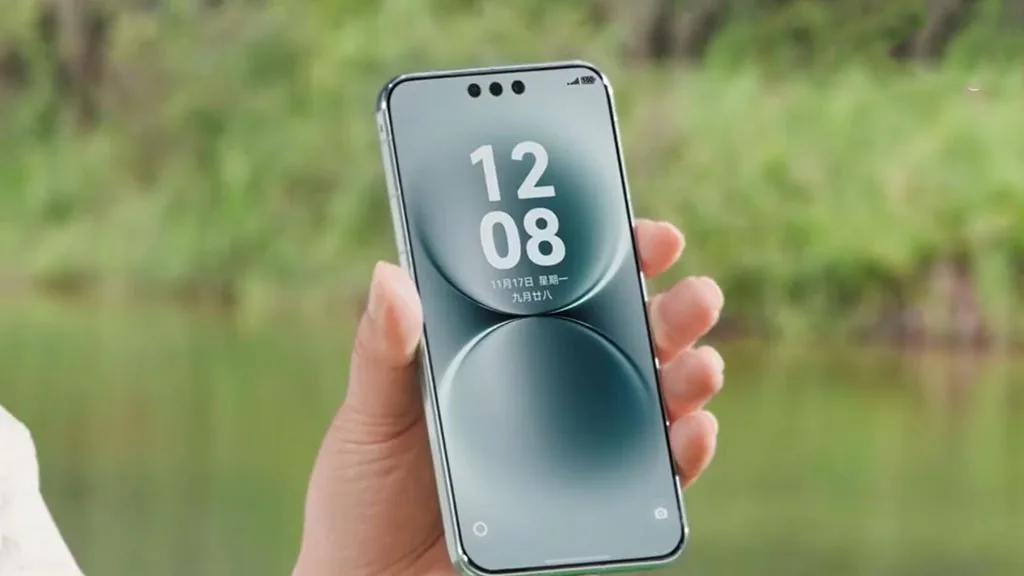
    Huawei Mate 80 Pro Max screen

    The screen of the Mate 80 Pro Max is the result of some unique work by Huawei. In contrast to previous Mate phones, the 2025 model has a dual-layer OLED panel that lowers battery usage while also increasing brightness.

    What’s unique, though? This time, it’s the maximum brightness, which is 8000 nits. The Mate 80 Pro Max is the first phone with this level of brightness, outperforming the iPhone 17 Pro Max and Galaxy S25 Ultra and establishing a new standard for premium models in 2026.

    When watching videos or playing games, the screen eventually stays clear even in direct sunshine, and the content’s colors are crisp and vibrant.

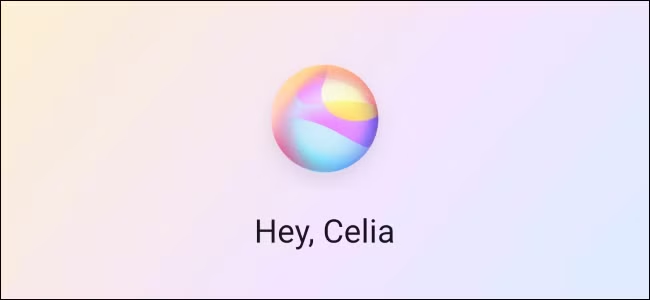
    Celia AI – the AI assistant

    Huawei joined the smartphone market with its Celia AI assistant, competing with Gemini and Siri. It is now a human friend with certain dynamic capabilities rather than an artificial intelligence model.

    With just a single utterance, you can now use Celia’s AI assistant to order new products, place restaurant orders, book flights, and perform a number of other tasks.

    Tell Celia, for example, if you want to order an outfit or something to eat while playing your favorite game. Additionally, it will take you straight to the payment stage. You can complete the transaction without exiting the game, so don’t worry. Additionally, the app will use your voice to verify the payment.

    Connectivity: weak signals become a thing of the past

    With antenna breaks on all four sides of the frame (the phone’s rear panel), this would likely be the first gadget. What does that signify? The device will provide seamless communication regardless of how you handle it.

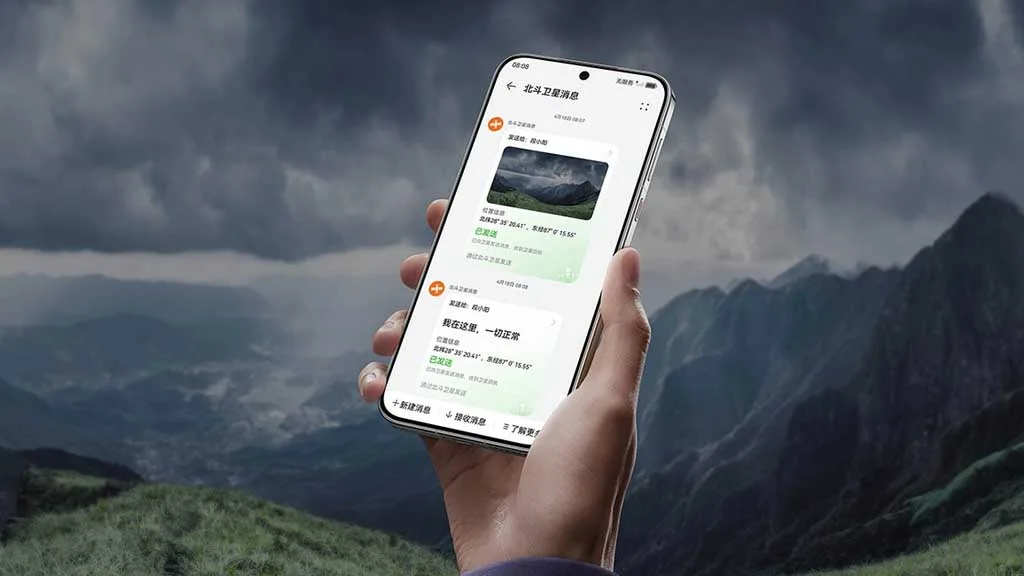
    Apps like Beijing Metro Line 10, which gained popularity because to its poor signal, now offer lag-free, uninterrupted video playback. Users may even monitor the weather without internet access thanks to dual-satellite connectivity.

    Three barriers can be penetrated and 13 kilometers can be covered via 700MHz wireless communication. As a result, you can communicate with other users even in places where there is absolutely no service.

    With its outdoor mode, the Huawei Mate 80 Pro Max’s battery lasts for 14 days. Hiking tracks for some well-known routes can be recorded, imported, or even downloaded with its assistance. Additionally, you identify the rising trend and indicate risk appropriately.

    Camera – top tier

    Huawei Mate 80 Pro Max camera

    Mate phones are not so much imaging devices as they are performance-based ones. However, Huawei has perverted this theory this time. With five potent sensors, including the second-generation multispectral lens, the Mate 80 Pro Max boasts an amazing camera package.

    The gadget features a 50MP ultra-high dynamic primary camera, a 40MP ultrawide angle camera, a 50MP super-focus macro telephoto lens, a 50MP super telephoto sensor, and an improved multispectral lens for legendary image and video capture.

    The new multispectral camera increases color reproduction accuracy by 43% when paired with the 9th-generation ISP. They are more colorful than ever, regardless of whether the photo needs to be taken underwater, in strong light, or in a gloomy environment.

    Thus, these are the incredible qualities of the Huawei Mate 80 Pro Max that truly need your consideration. To improve the overall user experience, additional features include 5A Speed and smart grip.

  • Xiaomi 17 Ultra Leica Leitzphone Edition was listed in GSMA database

    Xiaomi 17 Ultra Leica Leitzphone Edition was listed in GSMA database

    Xiaomi seems to be advancing its long-standing collaboration with German optics behemoth Leica as the battle for flagship smartphones with cameras gets more intense every day. A fresh item found in the IMEI database indicates that the company is working on a far more ambitious project, despite the fact that leaks on the basic version of the Xiaomi 17 Ultra have recently dominated tech news. Known as the “Leica Leitzphone powered by Xiaomi,” this new model distinguishes out as a limited edition designed to combine performance and luxury in mobile photography.

    Xiaomi 17 Ultra comes in 2 variants

    Recently, the first specific details about the Xiaomi 17 Ultra series surfaced. The first variation was identified as having the product number “2512BPNDAG,” and it was found that this device’s internal codename is “P1.” It is anticipated that this model will be made available as the series’ standard “Ultra” model. The really intriguing change, though, was the addition of a second variation with a whole new naming structure to the IMEI database.

    The model number of the recently discovered record is “25128PNA1G,” and the device’s internal codename is “P1S.” Here, the “S” suffix is believed to stand for terms like “Special.” The marketing name for this model is specifically stated as “Leica Leitzphone powered by Xiaomi” in the GSMA records. This suggests that Xiaomi may use the more prestigious “Xiaomi 17 Ultra Leica Leitzphone Edition” or “Xiaomi 17 Ultra Leica Edition” to launch this device.

    This naming has a long history. Ernst Leitz, the man who founded the Leica brand, is the source of the name “Leitz.” Perfectionism in optical engineering is exemplified by the Leitz family, a legend in the field of photography. A global “Leitzphone” initiative with Xiaomi might be Leica’s largest step in the mainstream flagship market, even though the company already produces a “Leitz Phone” series (the most recent being the Leitz Phone 3) carrying its own brand in the Japanese market through a partnership with Sharp. Combining Leica’s optical history with Xiaomi’s manufacturing prowess could produce a gadget that revolutionizes smartphone photography.

    New camera setup

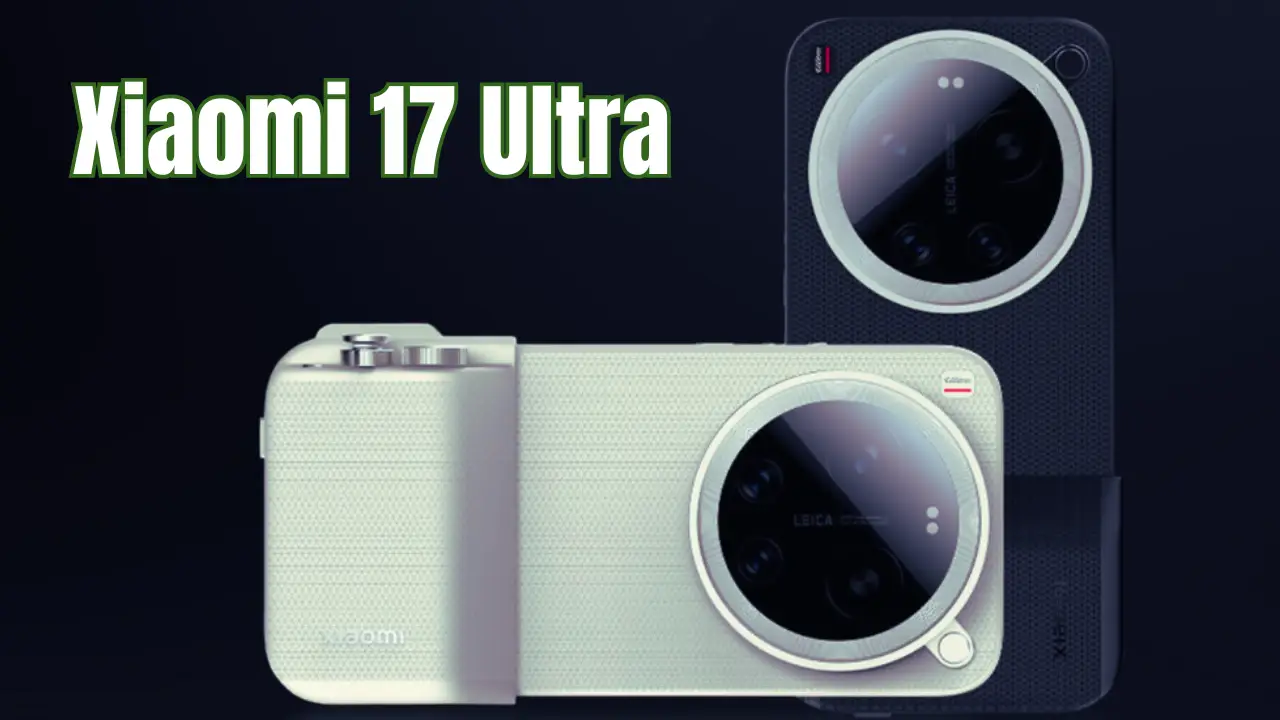
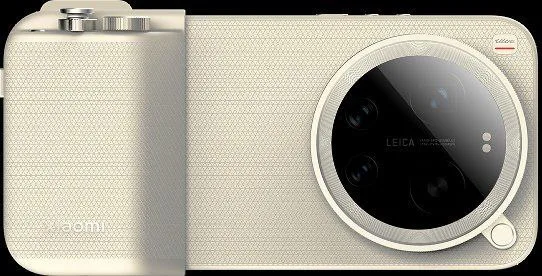
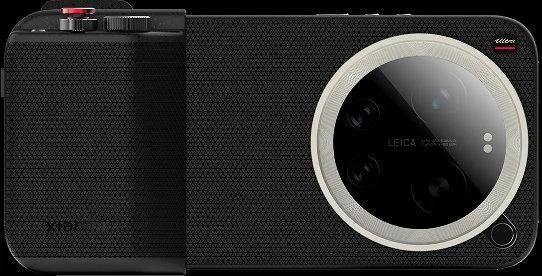
    The back camera arrangement of the device is clearly visible in leaked photos of the “Photography Kit,” dispelling earlier reports of a “quad-camera” configuration. The pictures show that the Xiaomi 17 Ultra will have three cameras rather than four. It is noted that where the fourth lens would normally be, a unique sensor region or space has been left in the module design.

    Xiaomi 17 Ultra Leica Leitzphone Edition was listed in GSMA database

    This suggests that Xiaomi is concentrating on improving the quality and sensor sizes of the current lenses rather than producing more lenses. The following is a list of the sensor setups evaluated under the codename “Nezha”:

    • Main Camera: 50MP OVX10500U (also known as OV50X)  sensor.
    • Telephoto: 200MP S5KHPE
    • Ultra Wide Angle: 50MP OV50M or 50MP S5KJN5.
    • Front Camera: 50MP OV50M

    The switch to a triple camera arrangement is thought to have been an engineering decision made especially to accommodate the larger primary sensor and the enormous 200MP telephoto sensor. A special grip and filter adaptor that converts the device’s ergonomics to that of a DSLR camera also seems to be included in the leaked photography package.

    Xiaomi 17 Ultra Leica Leitzphone Edition black

    Other expected specs

    Hardware-wise, the Snapdragon 8 Elite Gen 5 mobile platform is anticipated to power the Xiaomi 17 Ultra and its exclusive Leitzphone variant. Leica-only image processing techniques and sophisticated AI features will be included in the gadget, which will come pre-installed with the HyperOS 3 operating system. Information also indicates that satellite communication will be supported by the worldwide version.

    The goal of the Xiaomi 17 Ultra series is to be a pocket-sized professional camera in addition to a smartphone. Based on the model number “2512,” these two gadgets, codenamed “P1” and “P1S,” are anticipated to be released in the final quarter of 2025 (December 2025), and they are projected to completely change the landscape of mobile photography.

  • Dangerous Android malware quietly targets and empties bank accounts

    Dangerous Android malware quietly targets and empties bank accounts

    We recently reported about another type of banking Android malware that operates in the background and leverages accessibility settings to steal data, including passwords and bank credentials. More malware that allows remote attacks on Android devices and is freely disseminated among hackers as part of a subscription service has just been disclosed.

    More banking malware on the loose

    Dangerous Android malware quietly targets and empties bank accounts

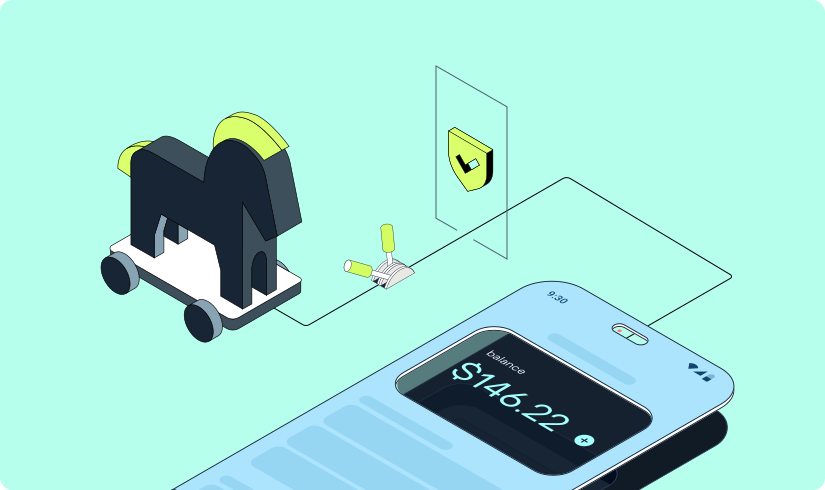
    A new Android trojanware known as Albiriox has been found by researchers at the online fraud protection company Cleafy. Albiriox is disseminated through what are referred to as “dummy” or infected APKs to deceive users into downloading real apps, much as Sturnus, the malware that was discovered last week.

    Hackers have tricked people by making phony copies of Google Play Store app listings, as Android Authority noted. As a result, potential victims may think they are downloading an app from a secure site when, in fact, they are not. Additionally, hackers have enticed victims by posting fictitious offers and promotions, requesting contact information, and then distributing the malicious APKs via well-known messaging services like Telegram and WhatsApp.

    The research group claims that hackers in Russia and other nearby regions have been the primary users of these approaches. After being disseminated as a Malware-as-a-Service (MaaS) on dark web forums, it is reported to have lately acquired popularity.

    The “install unknown apps” permission on users’ devices is mostly enabled via the APK files that hackers disseminate. The current (and destructive) program containing Albiriox is installed by the dropper app after that is activated.

    According to Android Authority, the research organization has already caught over 400 fraudulent apps that target consumers in categories including banking, fintech, digital payments, and cryptocurrencies. Instead than obtaining users’ login credentials, these software versions enable hackers to conduct transactions directly on users’ banking apps.

    You should be wary of any strange programs you install, especially if they appear to be connected to banking or any other financial service, as the malware works more covertly and silently. Make sure you have the most recent Play Protect update installed and that you only download apps from the official Google Play Store app.

    In terms of updates, make sure your device has the most recent firmware that is supported, as this contains patches for vulnerabilities that have just been discovered. Similarly, Google has published the December Android Security Bulletin.

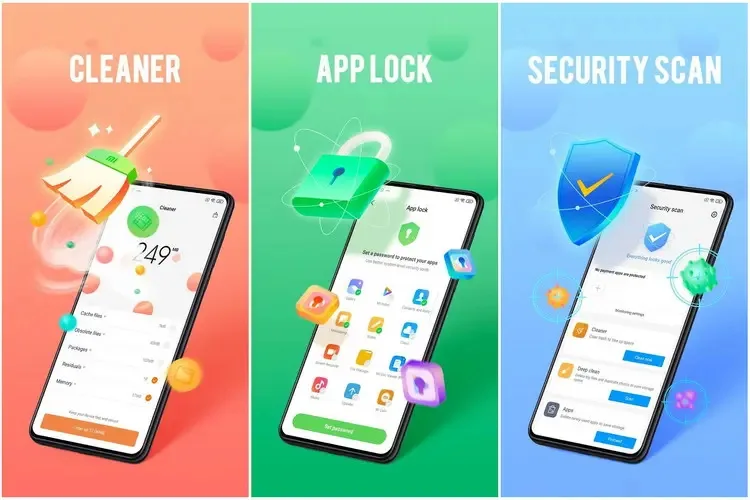
  • Xiaomi rolls out major Security V12 update with improved Game Turbo

    Xiaomi rolls out major Security V12 update with improved Game Turbo

    The Security V12 generation of Xiaomi’s standard Security app has finally been released with a significant update. The most recent build, V12.0.3-251114.1.1, is mostly concerned with modifications to the system infrastructure. However, as the new build offers a whole redesign of the Game Turbo interface and sophisticated system optimization logic, this would be quite intriguing for those waiting for the release of the next HyperOS stage. With this upgrade, Xiaomi is at last getting ready for a significant change in the management of background operations and the optimization of gaming performance on devices throughout the world.

    Xiaomi rolls out major Security V12 update

    Increased optimization in new Security V12

    The Security V12 branch has been made available to the public for the first time with this build. The Security V12 series is a package deal of significant architectural improvements that align with next system versions, in contrast to the incremental updates that preceded it. The improved optimization engine, which promises to clear caches and free up memory without disrupting user activity, is especially noteworthy in the changelog. Thus, the move to version 12.0.3 would suggest that Xiaomi is preparing for more demanding software applications, maintaining devices’ responsiveness and fluidity during more taxing operations.

    Enhanced gaming capabilities

    However, the improved Game Turbo module is the most notable feature of this version. Performance modes and floating windows can now be accessed more quickly thanks to Xiaomi’s UI optimization. In order to prioritize frame rates and network stability during gameplay, new optimization algorithms operate in the background in silent mode. With much lower latency and input lag, enthusiasts who use their devices for competitive gaming will notice how much more seamless the transition from the game to system notific

    How to update

    To update the Security app on Xiaomi devices, open the Security app and scroll to the bottom until you see the Settings or About section. Tap Update (or Check for updates) if available. You can also update it through the GetApps store by searching for Security and installing the latest version. If the update doesn’t appear, make sure your phone is connected to the internet and running the latest MIUI/HyperOS system version, as some Security app updates are bundled with system updates.

    Keeping system applications updated is very crucial for maintaining the security and performance stability of any device. Among such capabilities are unlocking hidden Xiaomi settings, updating other system applications seamlessly, and managing screen refresh rates, among the common updater features.