
Tag: fold

  • ChatGPT performance jumps by 76% after major improvements

    ChatGPT performance jumps by 76% after major improvements

    GPT-5.1-Codex-Max, OpenAI’s artificial intelligence model, has shown a significant improvement in performance, reaching 76% in capability evaluations. This development points to a substantial improvement in the model’s comprehension and production of natural language, which may have significant ramifications for a range of applications, including task automation and content production.

    chatgpt search bar

    ChatGPT sees increased adoption in workplace environments

    A number of tests that assess the precision, applicability, and originality of the answers produced by the model demonstrate this improvement, according to the data supplied by the business. The improvement in performance demonstrates OpenAI’s dedication to the ongoing development of technologies that maximize human-machine interaction, enabling users to have richer and more productive experiences.

    OpenAI has expressed excitement about these advancements, but it has also cautioned about the cybersecurity concerns associated with using its technology. The business highlights the need to exercise caution regarding the possible abuse of artificial intelligence, which might result in the production of false information or deceptive content. This is a problem for both creators and users of this cutting-edge technology.

    These advancements align with the IT industry’s rising interest in applying artificial intelligence to business and creative domains. It is evident that GPT-5.1-Codex-Max may have an impact on the creation and consumption of material, but it also necessitates a careful examination of how to guarantee that these tools are applied morally and responsibly.
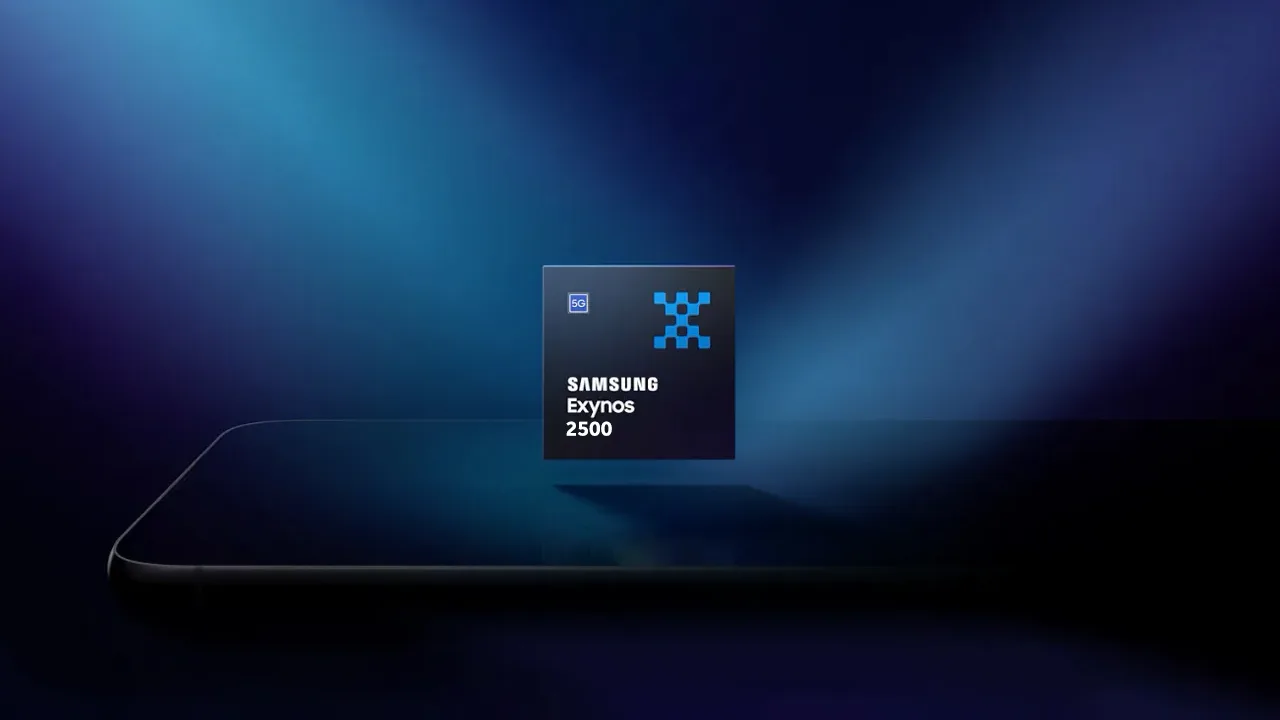

  • Samsung unveil Exynos 2600 performance boost and efficiency improvements on 2nm tech

    Samsung unveil Exynos 2600 performance boost and efficiency improvements on 2nm tech

    Samsung has begun discussing its first 2nm chips in public, and the figures are unexpectedly modest, which is causing some people to take notice. The business plans to begin shipping the new silicon in 2026, beginning with the Galaxy S26 series in Europe. Although the upgrades don’t seem like a “revolution” on paper, they are already helping Samsung earn large contracts and higher expectations.

    Samsung’s worldwide flagship strategy has been weak for years due to its Exynos chips. Customers in Europe have frequently received slower, less effective devices than their Snapdragon-equipped counterparts in the US, and it appears that the S26 and S26+ will follow suit. While the S26 Ultra is expected to continue using Qualcomm’s Snapdragon 8 Elite Gen 5 globally, those two variants are anticipated to employ the Exynos 2600.

    Exynos 2600 performance boost

    Samsung appears confident, though. According to the company’s most recent financial report, the new 2nm Gate-All-Around (GAA) process is expected to improve performance by around 5%, increase efficiency by 8%, and reduce chip size by about 5% when compared to its second-generation 3nm process. Those figures are not that large on their own. However, they are already paying off. Based on early 2nm capabilities, Samsung reportedly acquired about 25% of Galaxy S26 orders and a huge $16.5 billion contract with Tesla for its AI6 CPUs.

    Exynos 2600

    Another aspect of the jigsaw is yield. According to Samsung, the Exynos 2600 is currently achieving a yield rate of over 60%, which is supposedly sufficient to begin significant production. In comparison to employing Snapdragon chips, the company might save $20–$30 per unit if that remains true, which could result in a significant reduction in the bill of materials (BoM) for the European S26 models.

    However, not everyone believes that this is Samsung’s desired return. Exynos has a lengthy history of appearing promising on spec sheets but faltering once the phones are in the hands of consumers. Additionally, there is still a fundamental design gap: Samsung continues to use ARM’s standard Lumex core designs, which typically lag behind in real-world optimization, while Qualcomm and Apple develop highly customized CPU architectures.

    The question is rather straightforward as the Galaxy S26 debut draws near: is Samsung’s early 2nm jump a real turning point or is it just another case of déjà vu for European consumers? It’s obvious that the corporation believes little steps will build up. It’s another matter entirely if consumers concur.