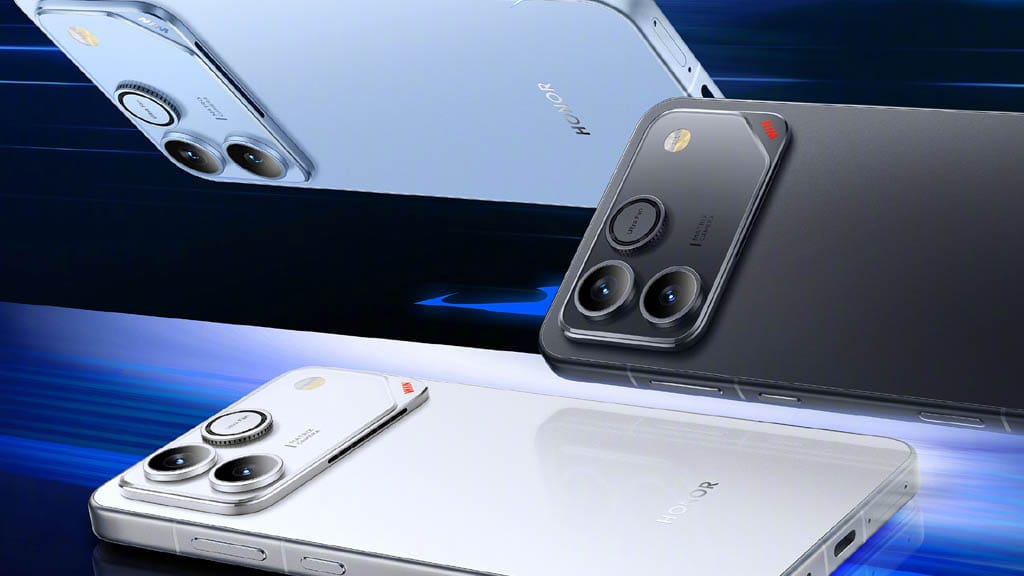
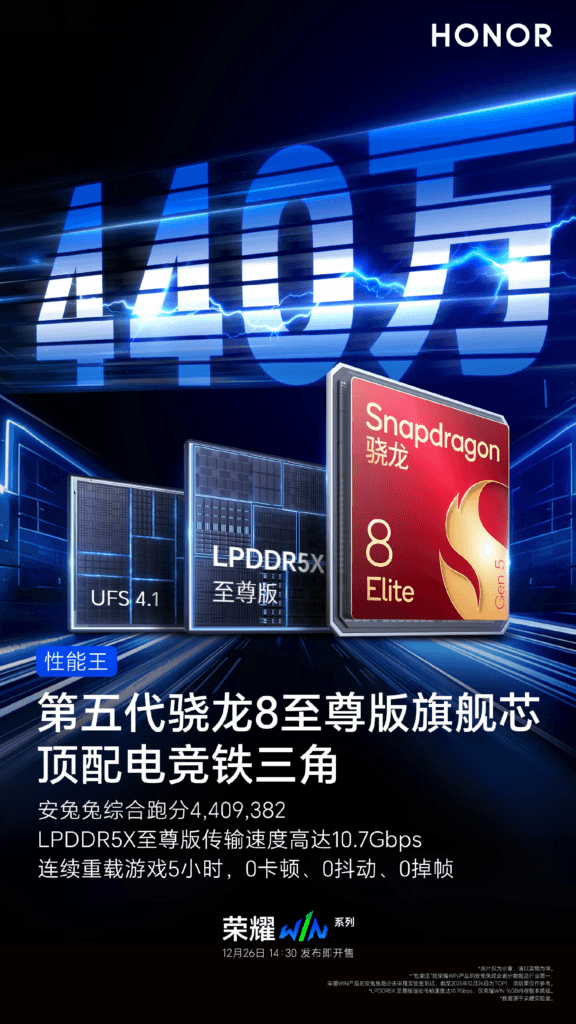
The performance-focused flagship phones, the Honor Win and Win RT, will go on sale in China on December 26. The Honor Win’s chipset and AnTuTu score were unveiled today by the brand in this poster. A few leaks from trustworthy sources have also emerged at the same time, disclosing their most important information.
Honor Win performance revealed
The Snapdragon 8 Elite Gen 5 chip, along with LPDDR5x Ultra RAM with up to 10.7Gbps speed and UFS 4.1 storage, power the Honor Win, as shown in the poster above. According to the company, this combination has enabled the device to score 4,409,382 on AnTuTu v10.
The tablet will include 16GB of RAM and 16GB of virtual RAM, according to a recent report. According to Honor, the Honor Win can play demanding games nonstop for five hours without experiencing any jitter, stutter, or frame dips.
The Honor Win has a huge 6.83-inch OLED screen with a 1.5K resolution and a refresh rate of 185 Hz, as seen in the image above that tipster Bald Panda sent. According to the tipster, the screen has thin 1.4mm bezels on each of its four corners.
The massive 10,000mAh battery of the Honor Win will allow 100W wired and 80W wireless charging, according to a new leak from tipster Digital Chat Station. Conversely, the Win RT will be a less expensive variant that has a 10,000mAh battery with 100W charging and the Snapdragon 8 Elite CPU, but it won’t allow wireless charging.
While the Win RT features a twin camera configuration, the Honor Win is reportedly equipped with a 50-megapixel triple camera setup that includes a telephoto camera. For the purpose of dissipating heat, both phones will have integrated cooling. It has been announced that the Win series will be available in three color options: blue, white, and black.
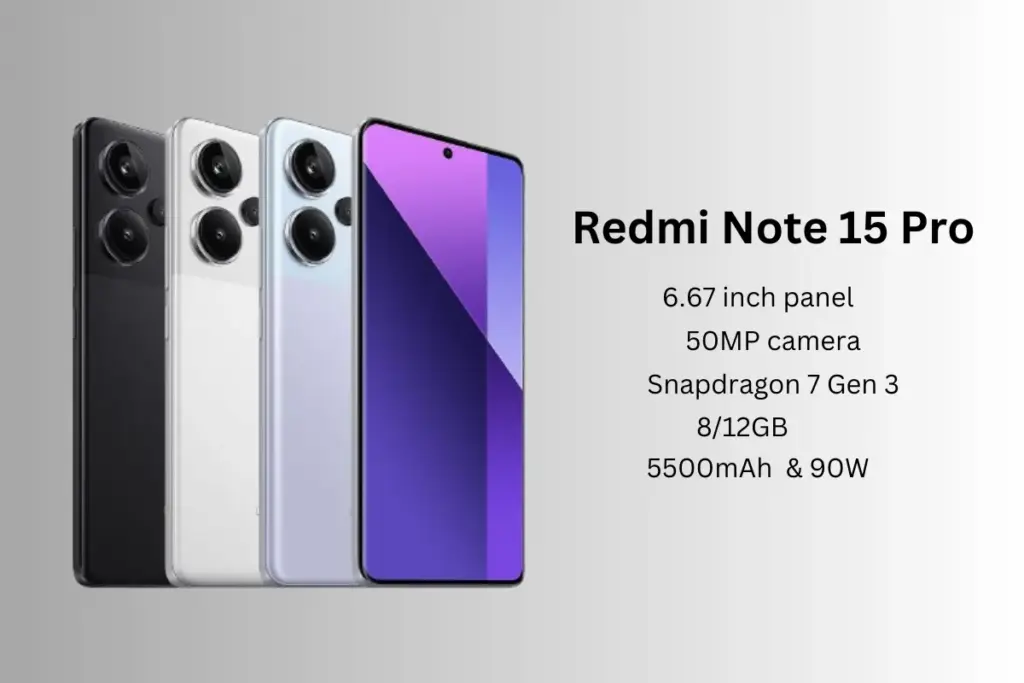
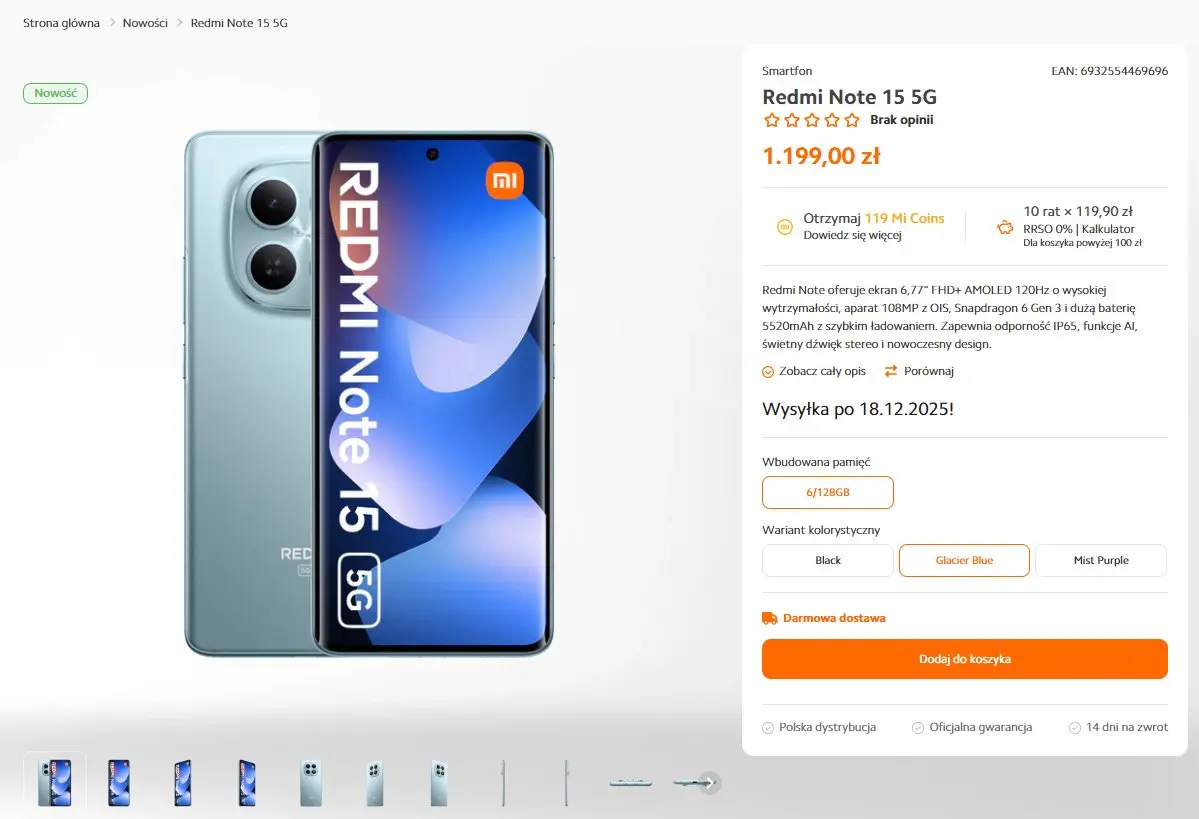
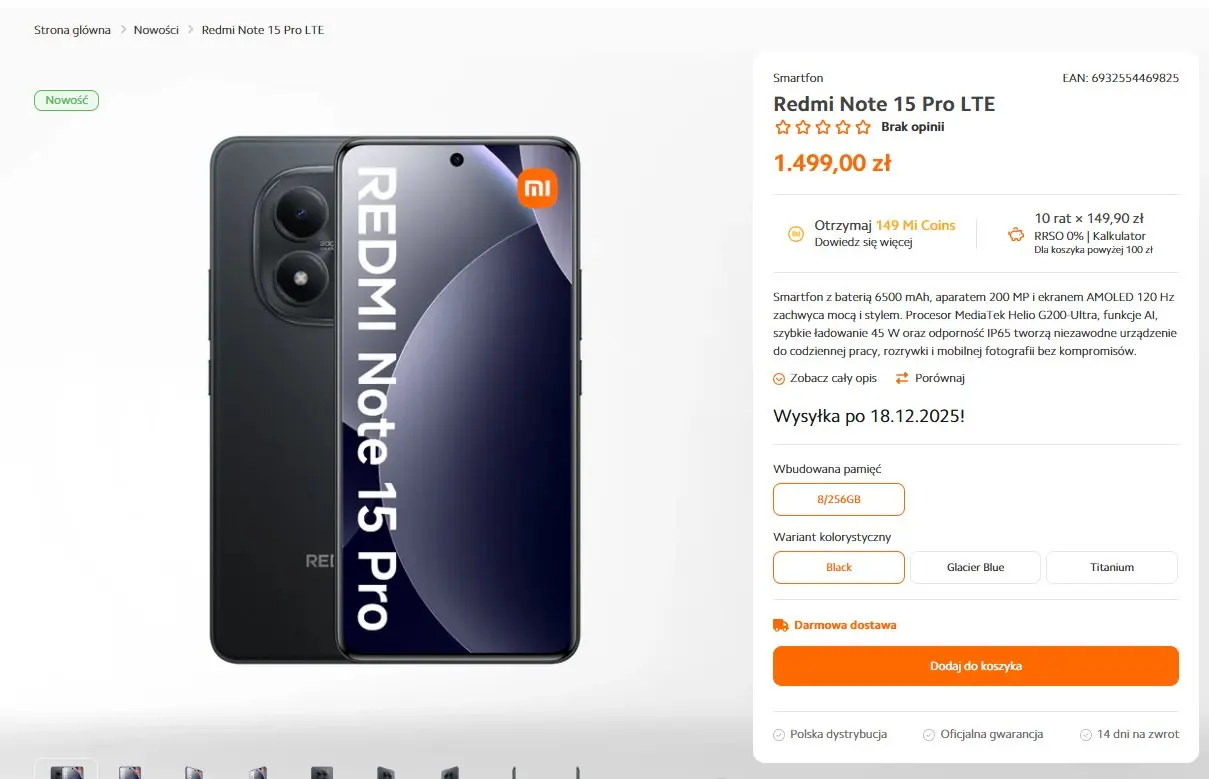
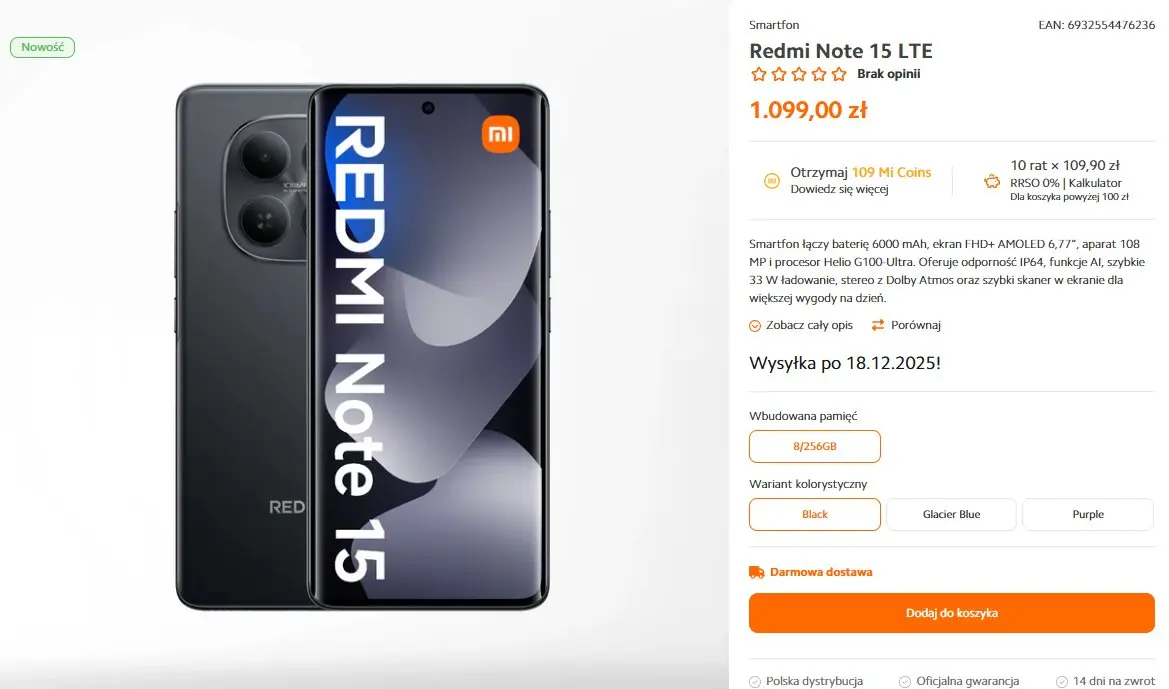
Beginning with an unexpected soft launch in Poland, the Redmi Note 15 series has been formally released to international markets. This new selection advances Xiaomi’s objective of bolstering its mid-range portfolio by bringing significant improvements in display quality, battery life, and camera capabilities. The series’ models, which debuted in China in August of last year, are now available to consumers worldwide with competitive price and a refined feature set.
Pricing and availability
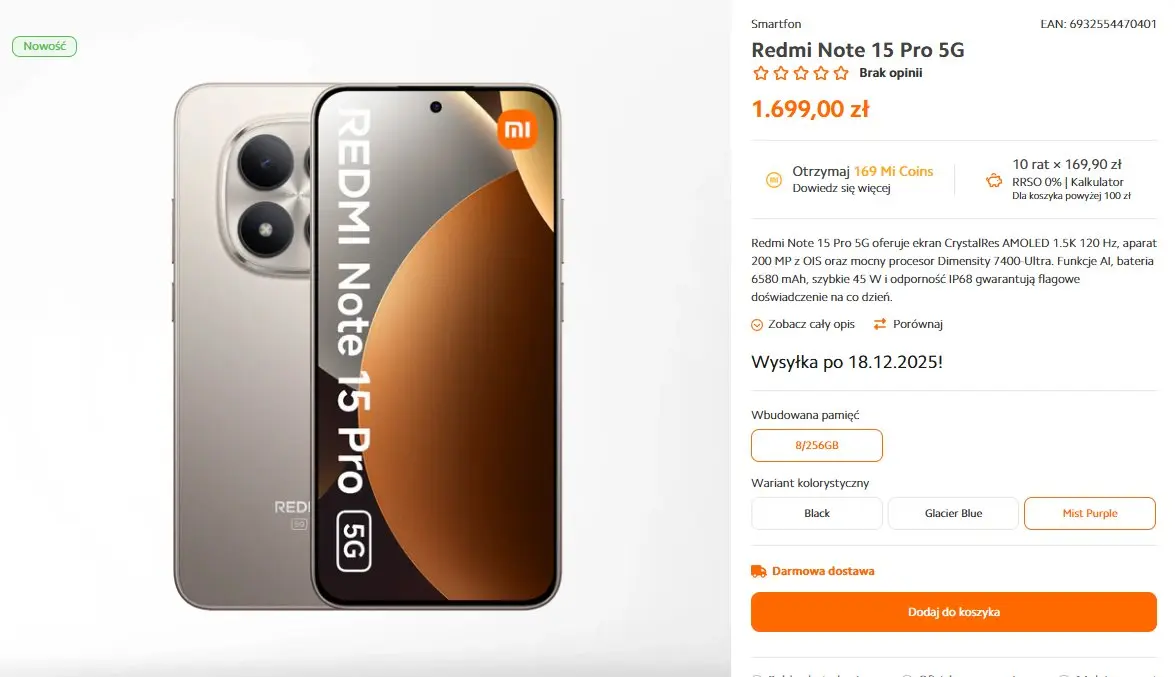
Both LTE and 5G models of the Redmi Note 15 family will be available in Poland, and shipping will start in a week. This makes it one of the series’ first international releases this season. The prices shown below have been converted to USD for better comparison, however bear in mind that they are local Polish listings:
Model
Poland Price
Approx. USD
Redmi Note 15 LTE
1,099 PLN
~$290
Redmi Note 15 5G
1,199 PLN
~$315
Redmi Note 15 Pro LTE
1,499 PLN
~$395
Redmi Note 15 Pro 5G
1,699 PLN
~$445
Redmi Note 15 Pro+ 5G (8/256 GB)
1,999 PLN
~$520
Redmi Note 15 Pro+ 5G (12/256 GB)
2,299 PLN
~$600
For buyers seeking a robust media performance and extended battery life without going above flagship costs, the Redmi Note 15 series’ pricing puts it in a balanced position.
Specs
The Redmi Note 15 lineup’s chipset options are further divided by the various connectivity configurations. To maximize thermal stability and performance efficiency, Xiaomi keeps dividing its LTE and 5G models along CPU family lines.
A thorough comparison of the four primary models can be found below:
Starting with the Pro 5G model’s 1.5K CrystalRes AMOLED panel, it significantly improves display and camera capability. Additionally, compared to earlier Redmi Note generations, there is more pixel density and improved color accuracy. Simultaneously, the Pro models’ 200 MP OIS cameras provide smoother video capture and improved quality in night pictures.
With lineups ranging from 5520 mAh to 6580 mAh for prolonged everyday use, Xiaomi maintains its battery-focused strategy. The Pro versions strike a solid mix between battery health and recharging speed with their 45W rapid charging.
Xiaomi’s consistent progress into the mid-range market is embodied in the new Redmi Note 15 series. The series is expected to generate a lot of attention worldwide, especially through channels like Google Discover and local online merchants, thanks to its enhanced screens, large batteries, and potent high-resolution cameras. These are expected to be among the most feature-rich and accessible in their class when shipments begin next week.
Xiaomi seems to be advancing its long-standing collaboration with German optics behemoth Leica as the battle for flagship smartphones with cameras gets more intense every day. A fresh item found in the IMEI database indicates that the company is working on a far more ambitious project, despite the fact that leaks on the basic version of the Xiaomi 17 Ultra have recently dominated tech news. Known as the “Leica Leitzphone powered by Xiaomi,” this new model distinguishes out as a limited edition designed to combine performance and luxury in mobile photography.
Xiaomi 17 Ultra comes in 2 variants
Recently, the first specific details about the Xiaomi 17 Ultra series surfaced. The first variation was identified as having the product number “2512BPNDAG,” and it was found that this device’s internal codename is “P1.” It is anticipated that this model will be made available as the series’ standard “Ultra” model. The really intriguing change, though, was the addition of a second variation with a whole new naming structure to the IMEI database.
The model number of the recently discovered record is “25128PNA1G,” and the device’s internal codename is “P1S.” Here, the “S” suffix is believed to stand for terms like “Special.” The marketing name for this model is specifically stated as “Leica Leitzphone powered by Xiaomi” in the GSMA records. This suggests that Xiaomi may use the more prestigious “Xiaomi 17 Ultra Leica Leitzphone Edition” or “Xiaomi 17 Ultra Leica Edition” to launch this device.
This naming has a long history. Ernst Leitz, the man who founded the Leica brand, is the source of the name “Leitz.” Perfectionism in optical engineering is exemplified by the Leitz family, a legend in the field of photography. A global “Leitzphone” initiative with Xiaomi might be Leica’s largest step in the mainstream flagship market, even though the company already produces a “Leitz Phone” series (the most recent being the Leitz Phone 3) carrying its own brand in the Japanese market through a partnership with Sharp. Combining Leica’s optical history with Xiaomi’s manufacturing prowess could produce a gadget that revolutionizes smartphone photography.
New camera setup
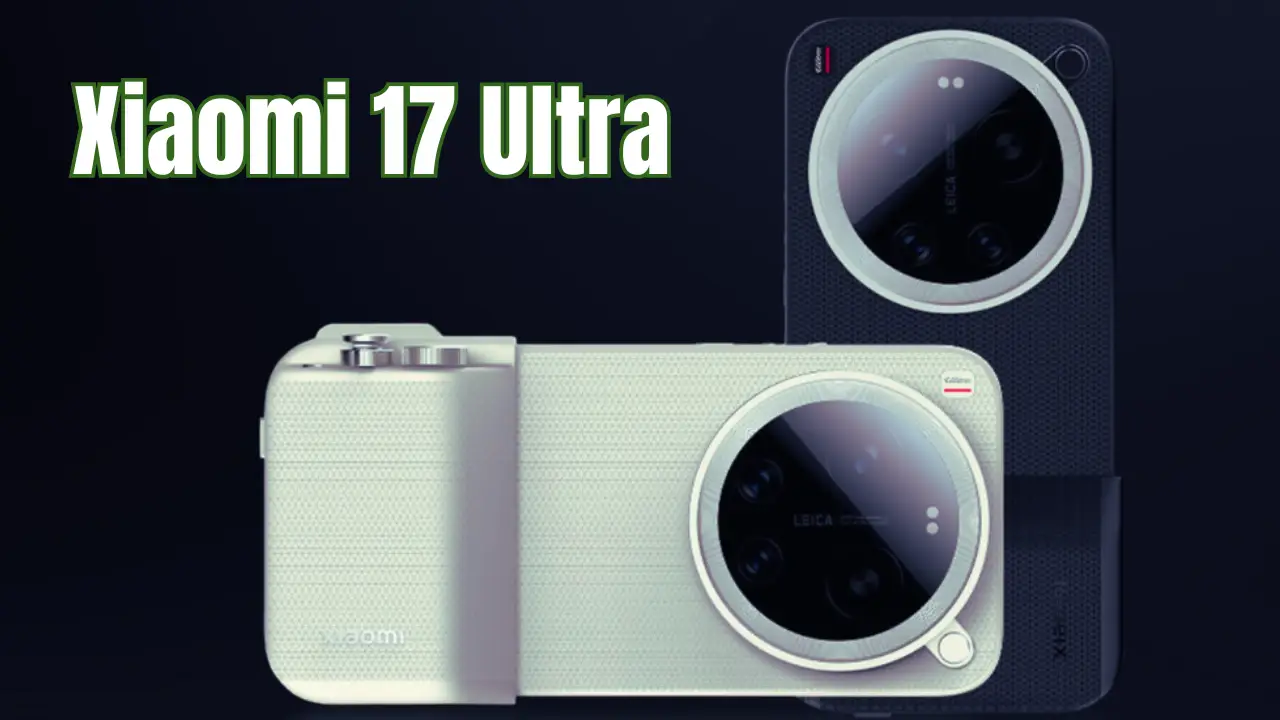
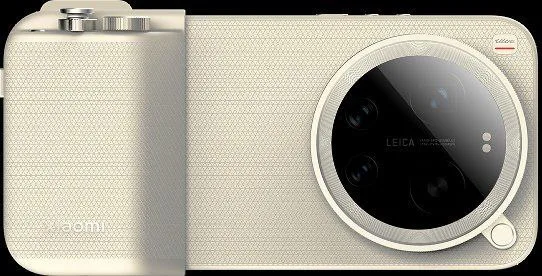
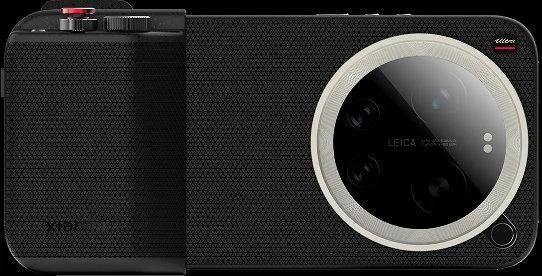
The back camera arrangement of the device is clearly visible in leaked photos of the “Photography Kit,” dispelling earlier reports of a “quad-camera” configuration. The pictures show that the Xiaomi 17 Ultra will have three cameras rather than four. It is noted that where the fourth lens would normally be, a unique sensor region or space has been left in the module design.
This suggests that Xiaomi is concentrating on improving the quality and sensor sizes of the current lenses rather than producing more lenses. The following is a list of the sensor setups evaluated under the codename “Nezha”:
Main Camera: 50MP OVX10500U (also known as OV50X) sensor.
The switch to a triple camera arrangement is thought to have been an engineering decision made especially to accommodate the larger primary sensor and the enormous 200MP telephoto sensor. A special grip and filter adaptor that converts the device’s ergonomics to that of a DSLR camera also seems to be included in the leaked photography package.
Other expected specs
Hardware-wise, the Snapdragon 8 Elite Gen 5 mobile platform is anticipated to power the Xiaomi 17 Ultra and its exclusive Leitzphone variant. Leica-only image processing techniques and sophisticated AI features will be included in the gadget, which will come pre-installed with the HyperOS 3 operating system. Information also indicates that satellite communication will be supported by the worldwide version.
The goal of the Xiaomi 17 Ultra series is to be a pocket-sized professional camera in addition to a smartphone. Based on the model number “2512,” these two gadgets, codenamed “P1” and “P1S,” are anticipated to be released in the final quarter of 2025 (December 2025), and they are projected to completely change the landscape of mobile photography.
The Redmi K90 Ultra, which will probably arrive in China in a few months, is already being discussed in the rumor mill after Redmi unveiled the K90 and K90 Pro Max in October. Digital Chat Station‘s early information suggests significant improvements over the current models, providing a first glimpse of Xiaomi’s potential lineup expansion. The information provides a first look, and as launch draws near, more clarity is probably in store.
Redmi K90 Ultra key specs
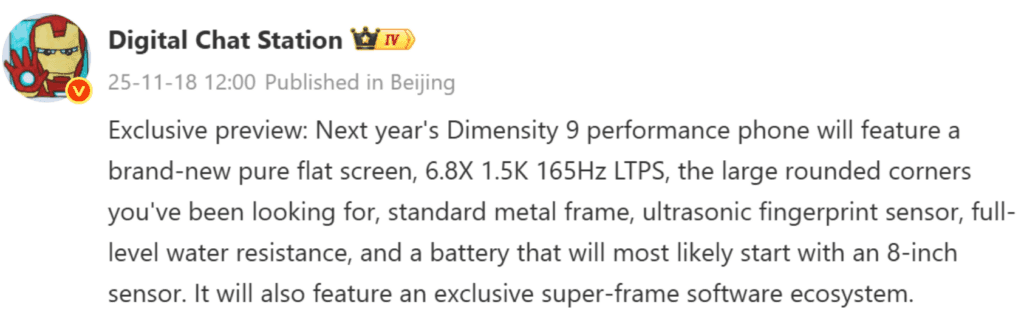
The Redmi K90 Ultra is anticipated to include a 6.8-inch LTPS OLED display with a 1.5K resolution and a quick refresh rate of 165 Hz, according to the leak. The device may include a metal central frame for increased durability, and the screen is rumored to feature rounded corners.
Strong water protection is also anticipated, which is consistent with the stronger resistance ratings of more recent high-end models. An improved audio system and an ultrasonic in-display fingerprint scanner are two more anticipated enhancements.
Battery capacity appears to be one of the most notable features. According to rumors, the phone would have a battery of about 8,000 mAh, which is a significant improvement over the K90 Pro Max and earlier Ultra models. Additionally, a specialized high frame rate software layer that could improve the overall performance profile—particularly for gaming—is hinted at by the tipster.
According to reports, the MediaTek Dimensity 9 series chipset powers the Redmi K90 Ultra. This might be the Dimensity 9500 Plus, which is expected to be released in 2026. The leak characterizes the Ultra as a performance-focused model, implying that photography may continue to be at a respectable but not flagship-leading level, even though camera details have not been disclosed.
The K80 Ultra’s June 2025 release cycle is anticipated to be followed by the K90 Ultra. The K90 Ultra might make its Chinese debut around the middle of 2026 if Xiaomi sticks to this schedule. It’s possible that a modified K90 Ultra may go on sale as a Xiaomi flagship worldwide.
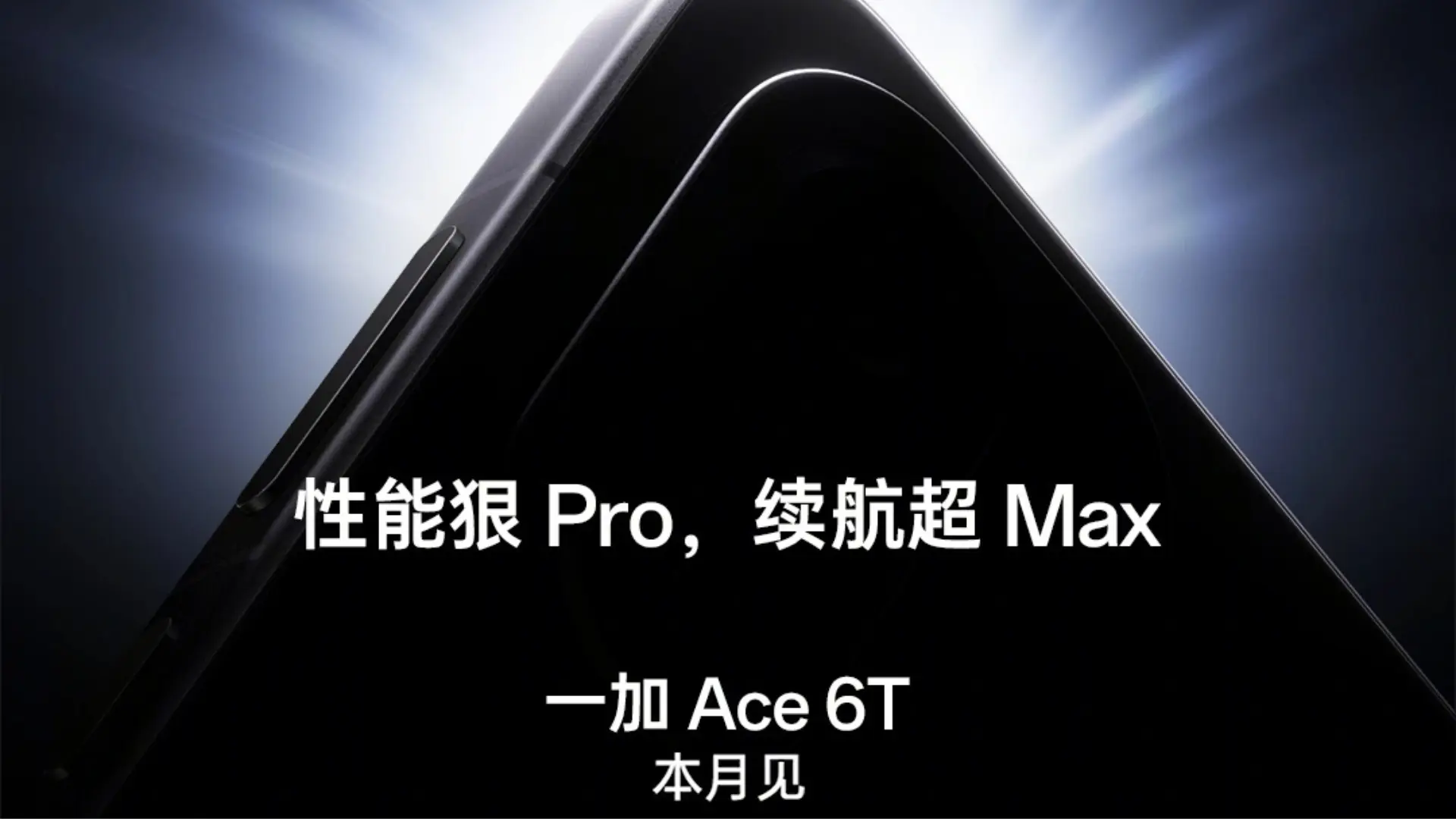
Pre-orders for the OnePlus Ace 6T are already open as the company prepares to introduce it in China. It is anticipated to make its debut later this month as the first phone to use the upcoming Snapdragon 8 Gen 5 CPU. The device has surfaced on Geekbench ahead of the anticipated debut, disclosing the chipset’s specs. The device’s battery size has also been hinted to by the business.
OnePlus Ace 6T Geekbench score
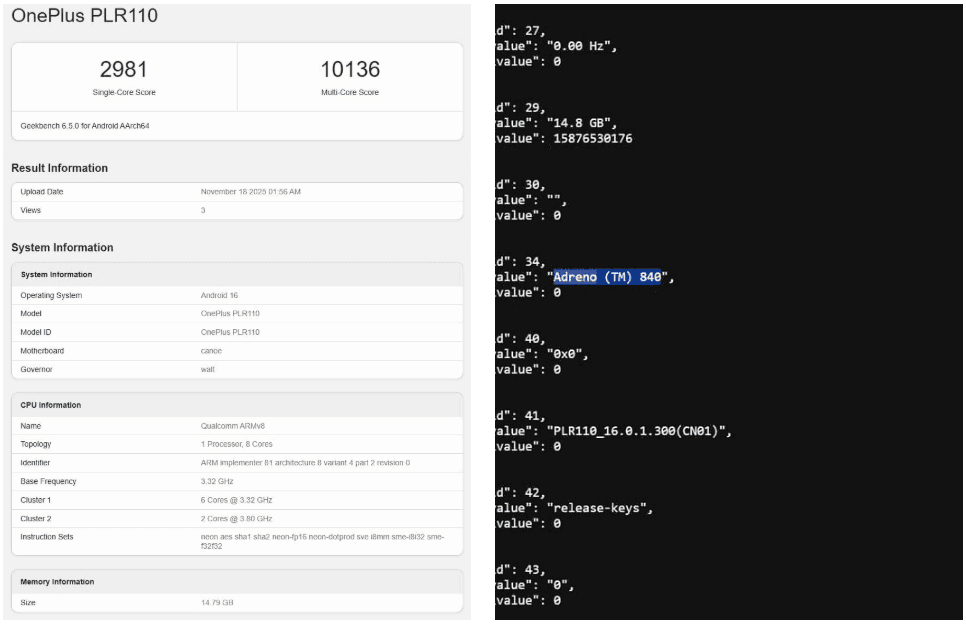
According to the listing above, a new Qualcomm CPU powers the next OnePlus PLR110 phone, which looks to be the OnePlus Ace 6T. The SoC has two 3.2GHz cores and six 3.38GHz cores. Additionally, it has an Adreno 840 GPU for graphics. The Snapdragon 8 Gen 5, which is anticipated to make its debut in the coming days, is the subject of these details.
It also boasts 16GB of RAM and Android 16, according to the OnePlus Ace 6T Geekbench listing. It received 10,136 points in the multi-core test and 2,981 points in the single-core test.
OnePlus Ace 6T’s battery size teased
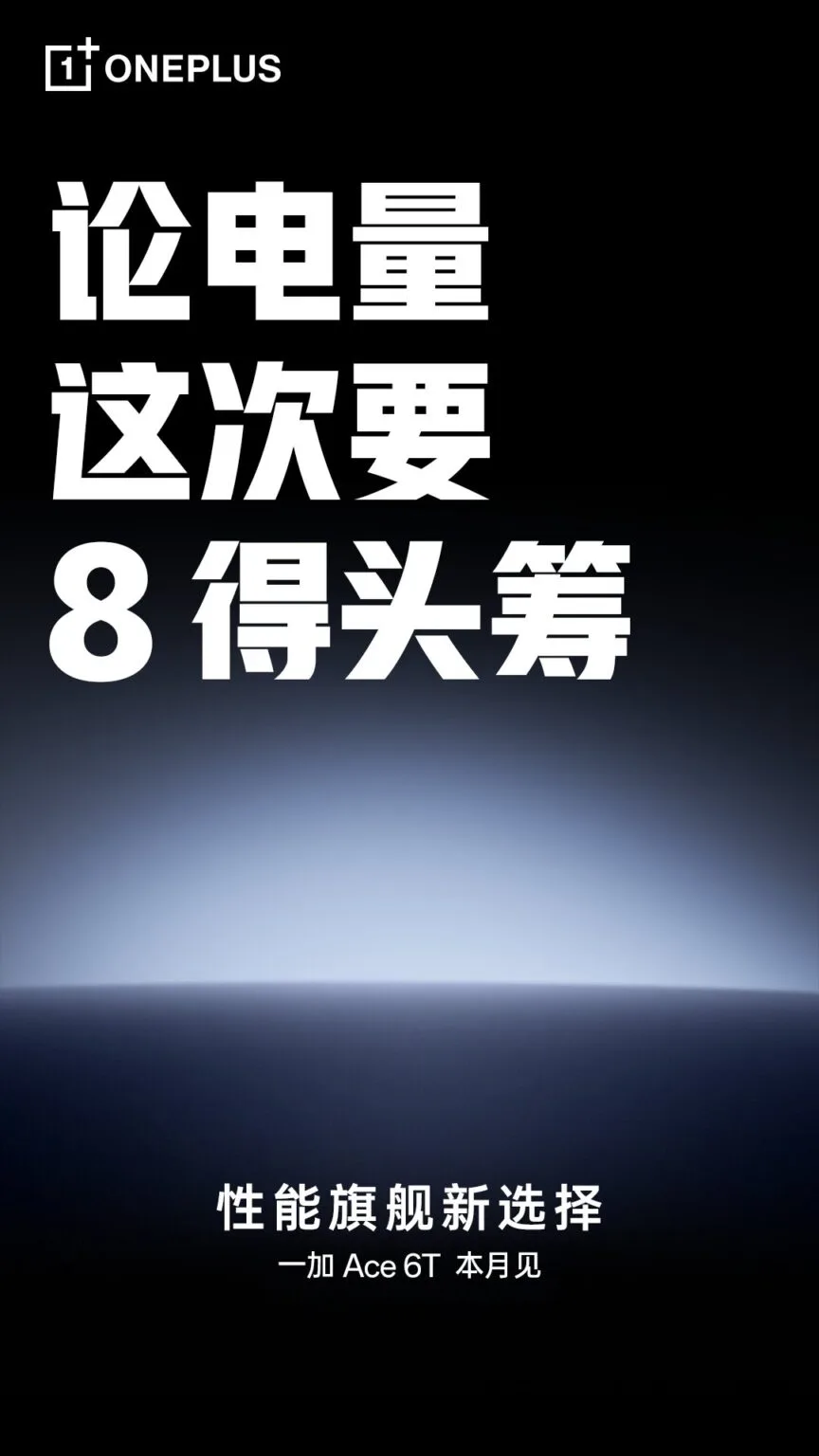
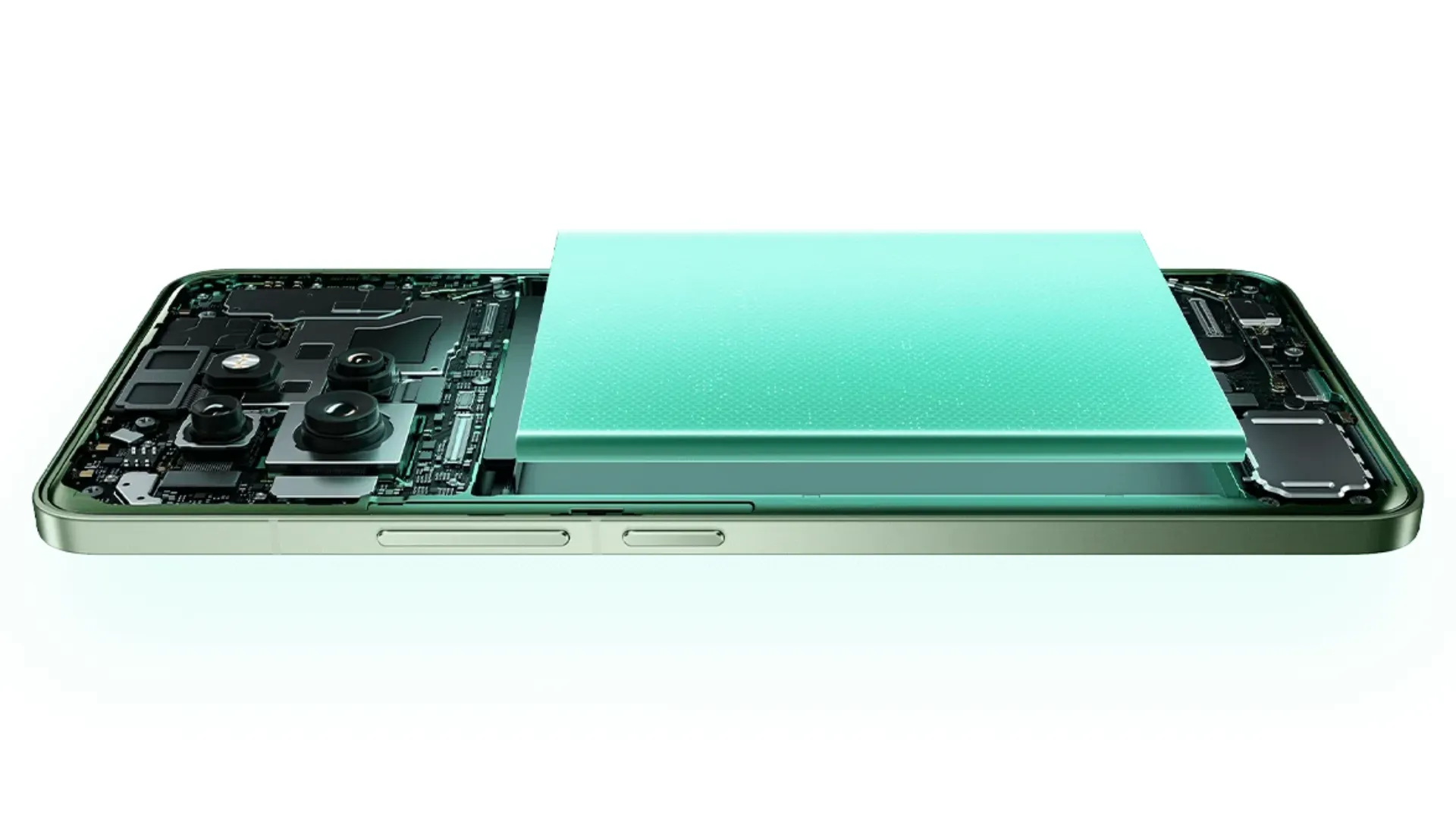
According to the ad above, the OnePlus Ace 6T can support 100W fast charging and has a battery capacity of about 8,000mAh. The gadget includes a 6.8-inch OLED 1.5K 165Hz screen with an ultrasonic in-screen fingerprint sensor, according to some reports. It is anticipated to come with up to 1TB of UFS 4.1 storage and up to 16GB of LPDDR5x Ultra RAM.
An 8-megapixel ultra-wide lens and a 50-megapixel primary camera with OIS assistance will make up its rear camera arrangement. It will sport a 32-megapixel camera on the front for taking selfies. It will come in a variety of colors, including purple, green, black, and a unique variant inspired by Genshin Impact.
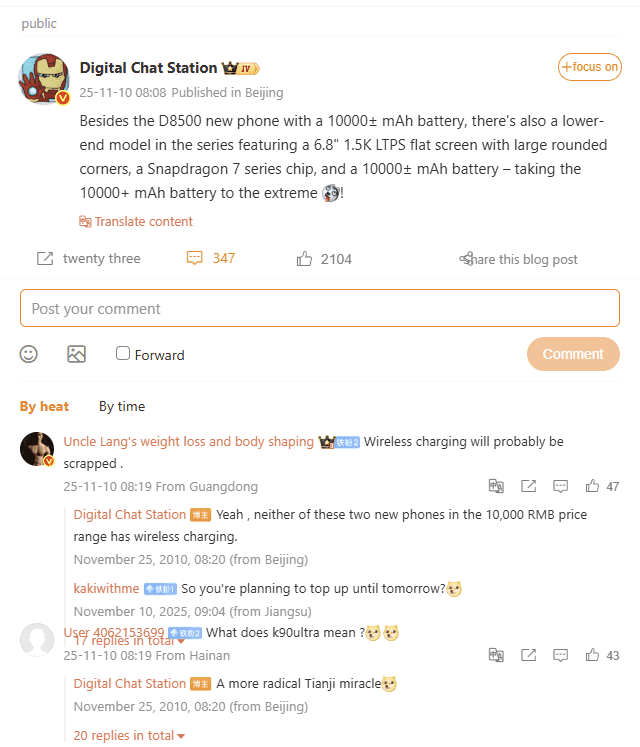
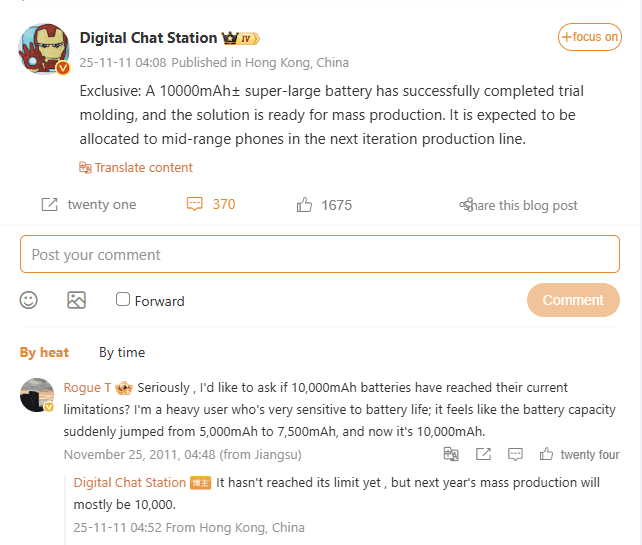
Xiaomi May Rethink Mid-Range Battery RegulationsChinese manufacturers are working to overcome the barrier beyond 7,000mAh and 8,000mAh batteries as smartphone battery technology continues to advance. According to reputable industry sources and well-known leakster @DigitalChatStation, the trial molding process has been completed, and the new 10,000mAh± battery is about to go into mass production. Xiaomi and Redmi are probably going to include this innovative battery into one of their upcoming mid-range phones.
In its products, Xiaomi has always placed a strong emphasis on battery life and energy efficiency. Therefore, the creation of a 10,000mAh-class battery is a significant step toward the realization of smartphones with longer battery lives, which is one feature that consumers are very excited to see improved in smartphones. It is expected that a Redmi device will use the technology.
Since fitting a battery with a 10,000mAh capacity is technically difficult in terms of weight and thermals, this development demonstrates Xiaomi’s determination to balance capacity and design usability.
Two smartphones will have 10,000mAh± batteries, according to DigitalChatStation. One of the devices has a Dimensity 8500 processor, while another has a 6.8-inch 1.5K LTPS flat display with a Snapdragon 7 series processor. Although these models have not yet been confirmed, it has been speculated that one may be from Xiaomi’s Redmi series because it may be intended to be a “Ultra Battery” variant.
A significant shift in the industry began with the release of smartphones with five-digit battery capacities. In the past, only rugged cellphones and power banks have such capabilities. With Xiaomi’s arrival into this market, battery capacity with such proportions may become more common, providing the business with yet another reason to rank among the top in terms of battery life. Xiaomi will undoubtedly have a significant advantage over its rivals because to this technology.
Additionally, users would be able to benefit from unparalleled standby times and all-day intensive use without recharging because to HyperOS’s optimization of background operations and hardware resources.
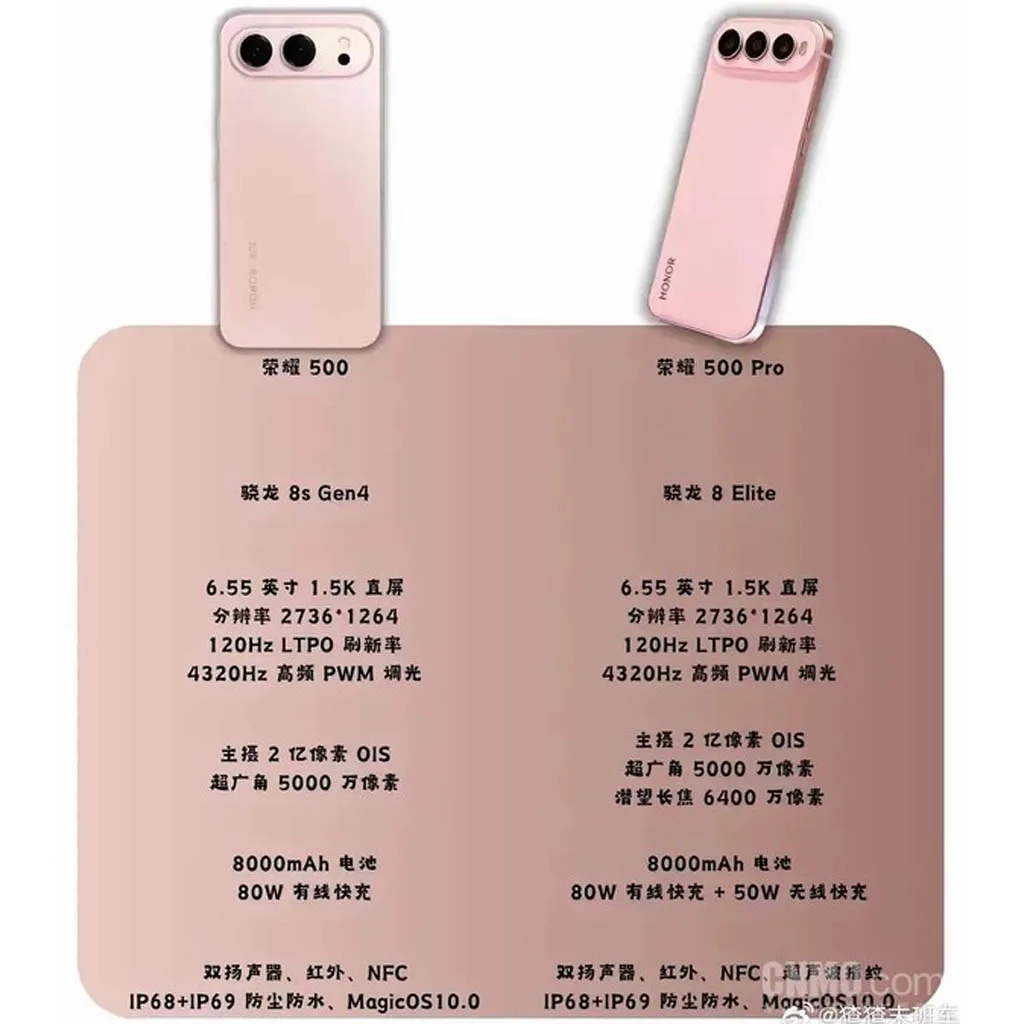
The majority of the important features of the Honor 500 series have been made public by numerous leaks and rumors, but the most recent unofficial specs sheet provides additional insight into the future handsets. The startling details of the new-generation digital lineup are also hinted at.
The new document provides further information about the display panel, chipset, and battery metrics, even if we already know most of the specifications of the Honor 500 series.
First of all, it notes that the Snapdragon 8 Elite chip rather than the Gen 5 version may be installed in the Honor 500 Pro. Conversely, the Snapdragon 8s Gen 4 SoC will be used in the regular model. The two chips’ core configurations are shown below.
Snapdragon 8s Gen 4: 1 core x Cortex-X4 + 7 cores x Cortex-A720
Snapdragon 8 Elite: 2 cores x Oryon (Phoenix L) + 6 cores x Oryon (Phoenix M)
Regarding the display, a 6.55-inch LTPO OLED flat screen with a resolution of 2736 x 1264 pixels and a refresh rate of 120 Hz is anticipated for both Honor 500 versions. It might also enable high-frequency PWM dimming at 4320 Hz.
The Honor 500 vanilla model is probably going to have two cameras: a 200MP primary camera and a 50MP ultrawide-angle lens. Three imaging sensors—a 200MP primary, a 50MP ultrawide-angle, and a 64MP periscope lens—will be included in the Pro One.
An 8000mAh battery with 80W wired fast charging may be compatible with both devices. The Pro model may have 50W wireless charging capability, which the regular Honor 500 may not have.
Dual speakers, infrared, NFC, IP68+IP69 dust and water resistant ratings, and the Android 16-based MagicOS 10.0 operating system are possible additional features of the Honor 500 series.
The Honor 500 series is expected to make its debut in December or before the end of current month. The debut date has not yet been disclosed by the corporation. However, we might soon get into specifics on this topic. Keep an eye out.
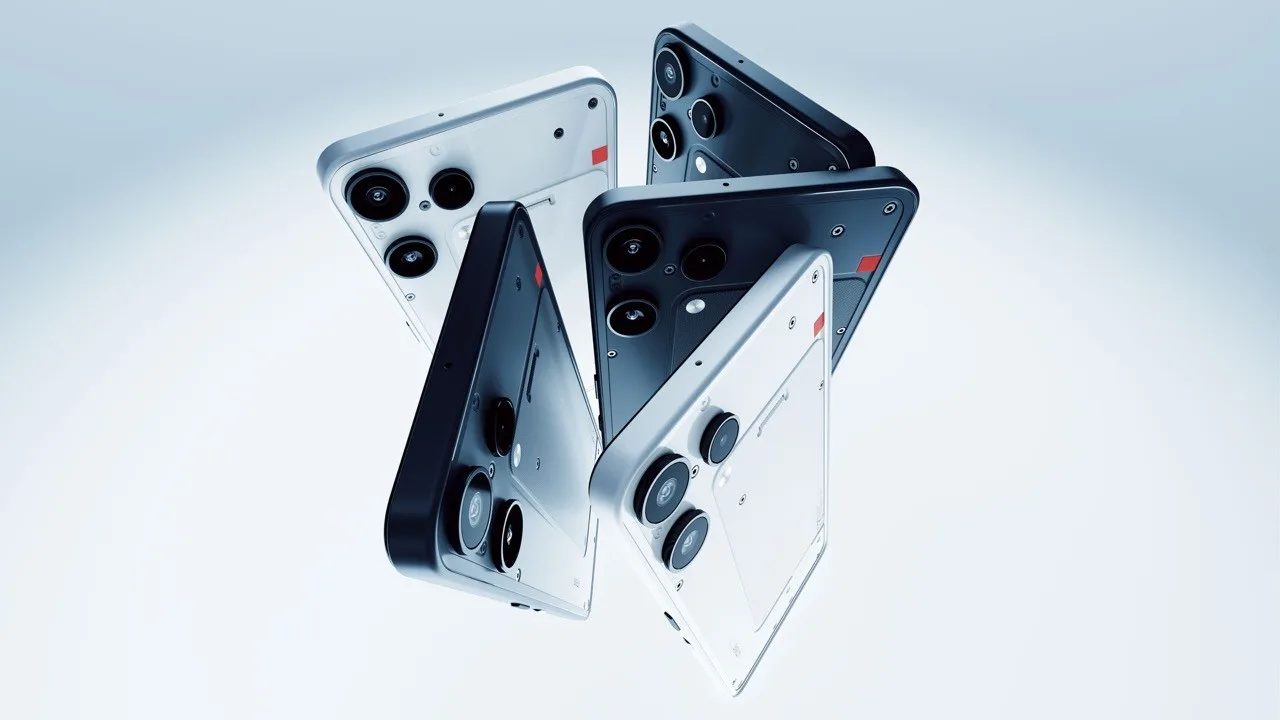
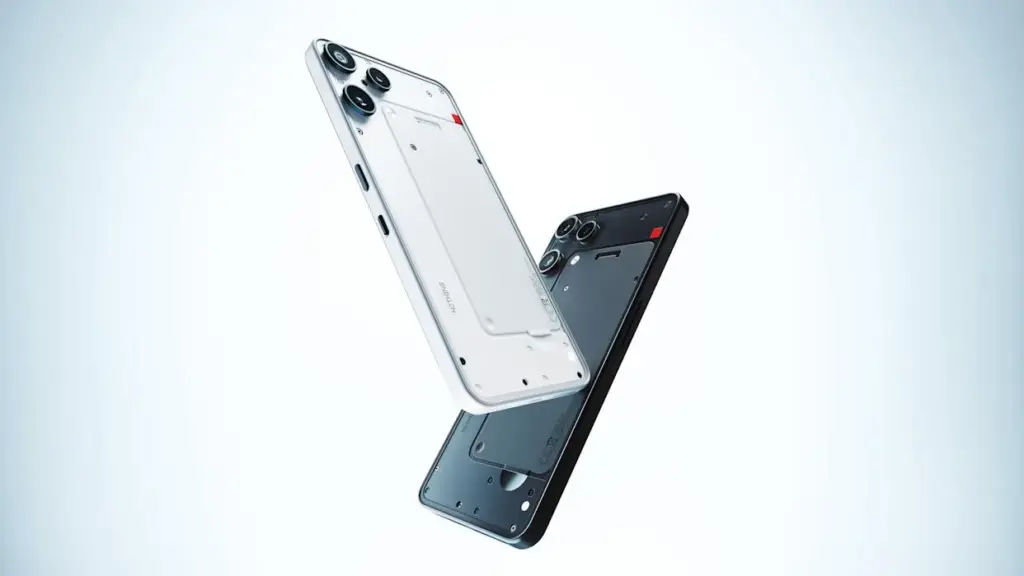
If you were a fan of Nothing, you would know that the release of the Nothing Phone (3a) Lite wasn’t news, yet it was. On the one hand, you are ready for the surprises these gadgets deliver. Conversely, the Nothing Phone (3a) Lite is unique. The brand’s sole entry-level phone will go on sale in October.
You adore phones with translucent designs and glowing glyph lights, and the Nothing Phone series perfectly captures that feel. This phone is unique! Prepare for the Nothing Phone (3a) Lite, the most daring low-cost option to yet. We will discuss the launch, the cost, what to anticipate, and everything in between.
Nothing Phone (3a) Lite announced
Nothing recently revealed that the Phone (3a) Lite would go on sale worldwide on October 29, 2025. That is 1:00 pm GMT, or 6:30 pm IST if you’re in India. YouTube and Nothing’s website both provide live streaming of the event. The launch schedule as a whole aligns perfectly with the Phone 3 lineup. It comes after the March 2025 Nothing Phone (3a).
It’s their first real entry-level phone. It is also intended to be less expensive than their CMF lineup. This launch calls out to you if you prefer daring over basic. With its useful pro features, this phone might be your next reasonably priced upgrade. We now go on to the following part.
Features and design
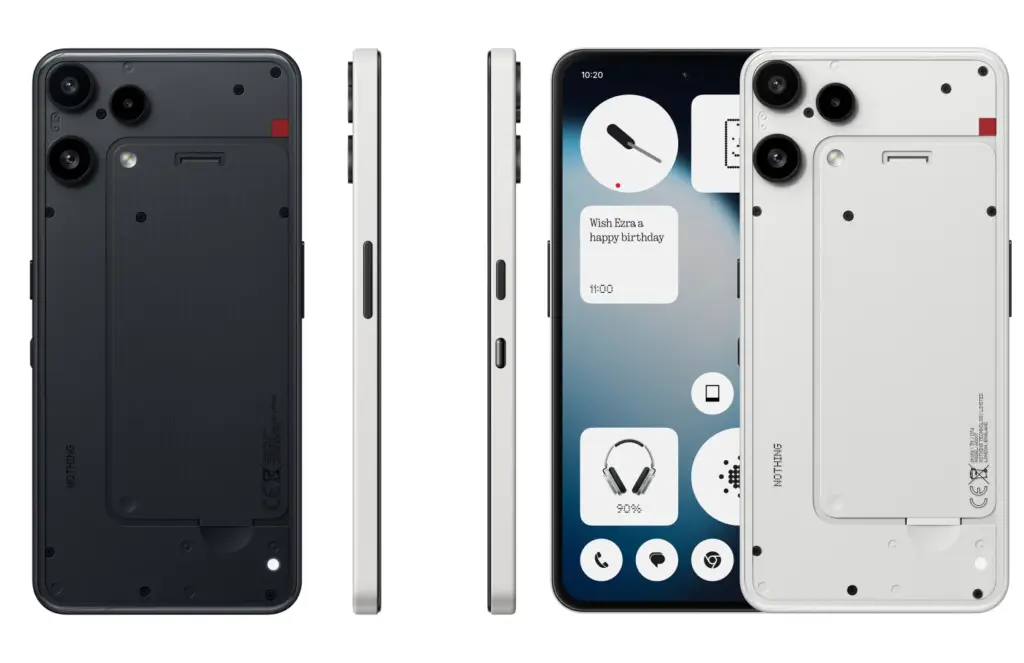
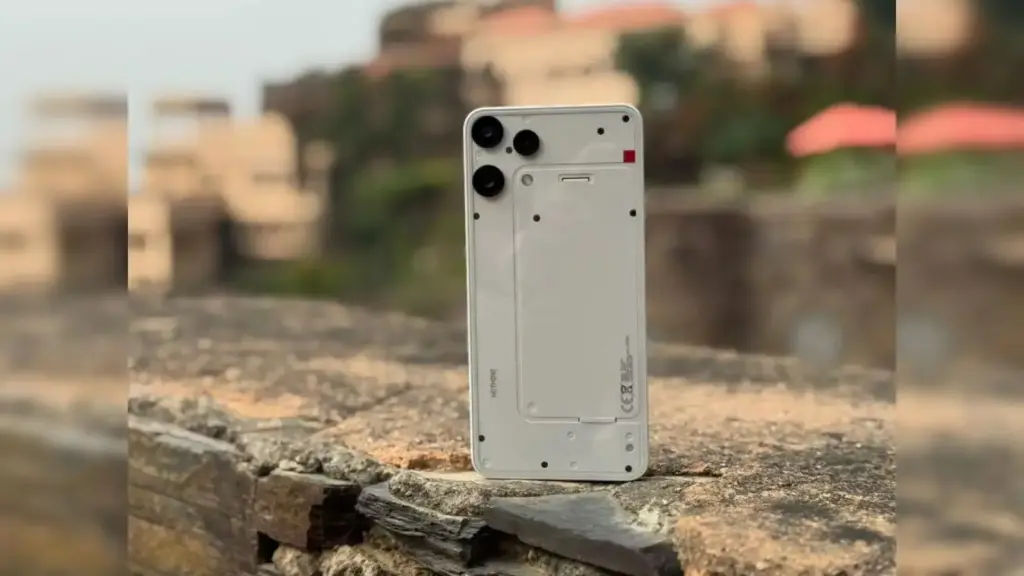
Nothing perfectly captures the eccentric style, yet it doesn’t even appear strange. The Nothing Phone (3a) Lite, which comes in black and white, has a sleek design. A rear LED flashlight is shown in teasers. It also serves as a ping for notifications. However, it now appears lot simpler. This is not a full light show. It lights just enough to draw attention, though.
It comes pre-installed with Android 15. Nothing about OS remains tidy. Widgets look stunning. The gestures are fluid. You get that feeling of transparency without the clutter.
We are aware that the Nothing Phone (3a) Lite will have a 6.77-inch full-HD+ AMOLED screen before it is released. All flagship and respectable 30k-range phones on the market have it at 120 Hz. There are 1.07 billion shades of color. ideal for playing games, watching movies, and other media.
Budget phones typically use the MediaTek Dimensity 7300 processor. Another item on the list is the Nothing Phone 3a Lite. This phone’s apps seamlessly multitask because to its 8GB RAM. 128GB of storage. Extend if necessary.
Regarding the battery, it happily keeps the large 5000mAh cell that lasts all day. At 33W wired, charging is quick. 5W reverse charging. It’s sufficient to sustain earbuds.
One of Nothing Phones’ best features is its cameras, which are not being downsized either. We have an 8-megapixel ultrawide, a 50-megapixel telephoto for zoom, and a 50-megapixel primary camera on the back. An incredible 16-megapixel selfie lens is located on the front. Rear camera daylight photos are particularly striking. The performance in low light is the sole drawback. It’s good, but not at the pro level.
Nothing Phone (3a) Lite price
As far as we are aware, this version was released to compete with more reasonably priced phones. With the lite edition, nothing keeps entry-level real. At the very least, we should anticipate a 5–6k price reduction from the original model. With 8GB RAM and 128GB storage, the Phone (3a) Lite is priced at Rs. 17,990. A great deal for fans of Glyph. Sales begin shortly after introduction, most likely on the website of Nothing or Flipkart.
How does it compare, though? This is a brief table of competitors priced between Rs. 15,000 and Rs. 20,000. The software, features, and performance of these packs are comparable.
Phone Model
Price (Rs.)
Key Highlights
Nothing Phone (3a) Lite
17,990
Dimensity 7300, Glyph LED, 120Hz AMOLED
Moto G85 5G
17,999
Snapdragon 6s Gen3, 50MP OIS cam, 5500mAh
Realme Narzo 70 Pro
18,999
Dimensity 7050, 50MP main, 67W charge
Samsung Galaxy A16 5G
18,499
Exynos 1330, 50MP triple cam, 5000mAh
Poco X6 5G
19,999
Snapdragon 7s Gen2, 64MP OIS, 5100mAh
Nothing Phone (3a) Lite vs Nothing Phone (3a)
We are tempted by the Lite because it is reasonably priced. However, if you can afford to spend a little extra, the complete Phone (3a) entices you more. Since the 3a isn’t too old, the most recent software upgrades are comparable to those of the light. The price is Rs. 22,500. This table may help you make a decision if you are unsure about how the Lite version differs from 3a. Let’s do a table comparison.
Feature
Nothing Phone (3a) Lite
Nothing Phone (3a)
Price (Rs.)
17,990
22,500
Processor
Dimensity 7300
Snapdragon 7s Gen3
Display
6.77″ FHD+ AMOLED, 120Hz, 1.07B colors
6.7″ FHD+ AMOLED, 120Hz, 1B colors
Rear Camera
50MP + 50MP tele + 8MP UW (no OIS)
50MP OIS + 50MP tele + 8MP UW
Front Camera
16MP
32MP
Battery & Charging
5000mAh, 33W wired, 5W reverse
5000mAh, 50W wired, 7.5W reverse
In terms of speed and shots, the 3a prevails. In games, Snapdragon outperforms Dimensity. OIS stabilizes videos. 32-megapixel selfies are crisper. At 50W, charging is incredibly quick. In twenty minutes, that will be half full.
But Lite is resilient. identical battery life. The screen pop is similar. Hold on to Lite if the budget is tight and you can do without a few slightly less expensive features. Eighty percent of the magic is delivered by it. Only if you are using a previous series should you upgrade after the Nothing Phone (3a) Lite launch.
The Nothing Phone (3a) Lite demonstrates a bold look that isn’t appropriate for everyone. However, many people can afford it. This phone is especially suitable for young people who are in college, are students, or are starting their first job. Additionally, the Nothing phone 3a lite can be your calling if you swap phones every two to three years in search of the newest features.
How do you feel about the release of the Nothing Phone (3a) Lite? Would you purchase it? Leave a comment with your ideas!