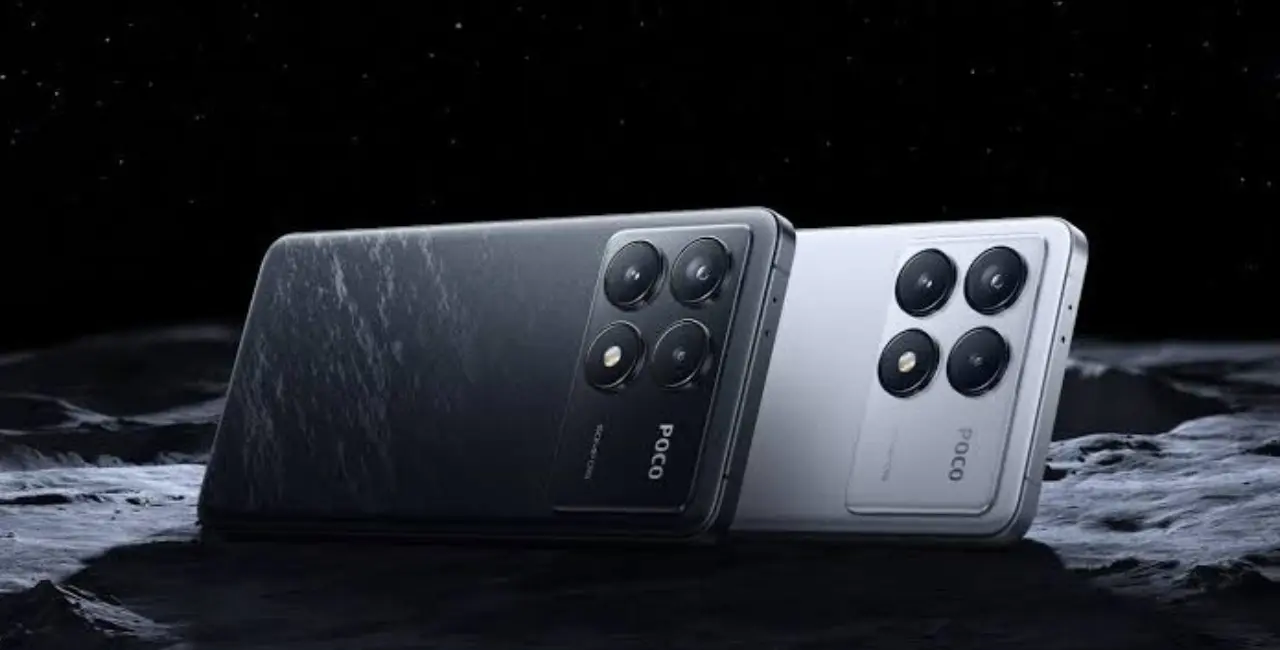
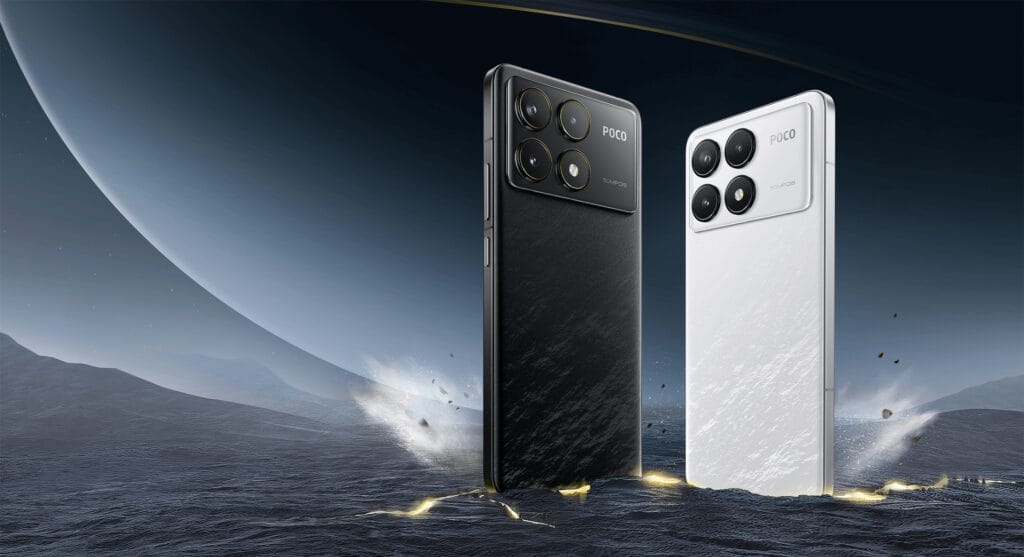
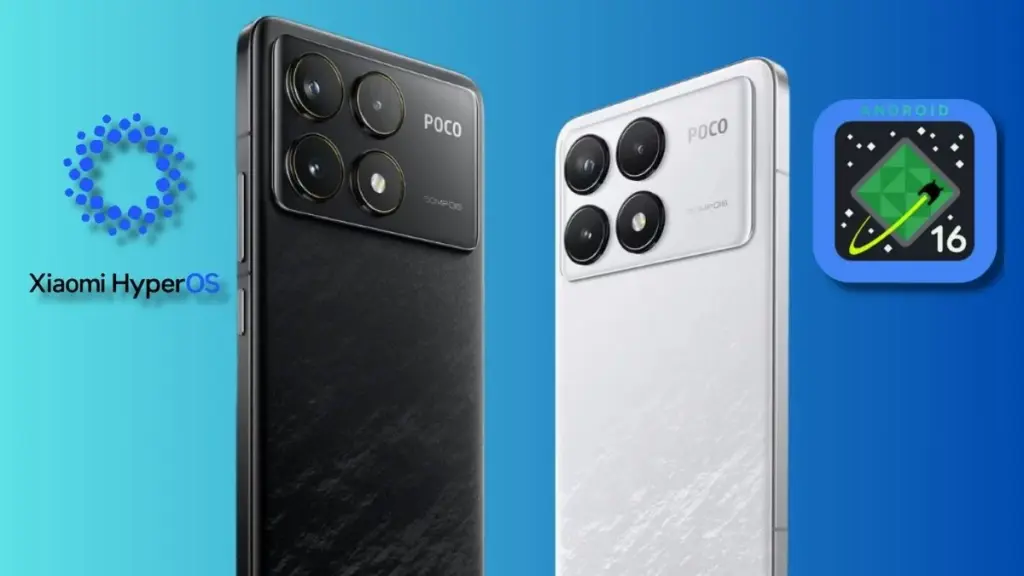
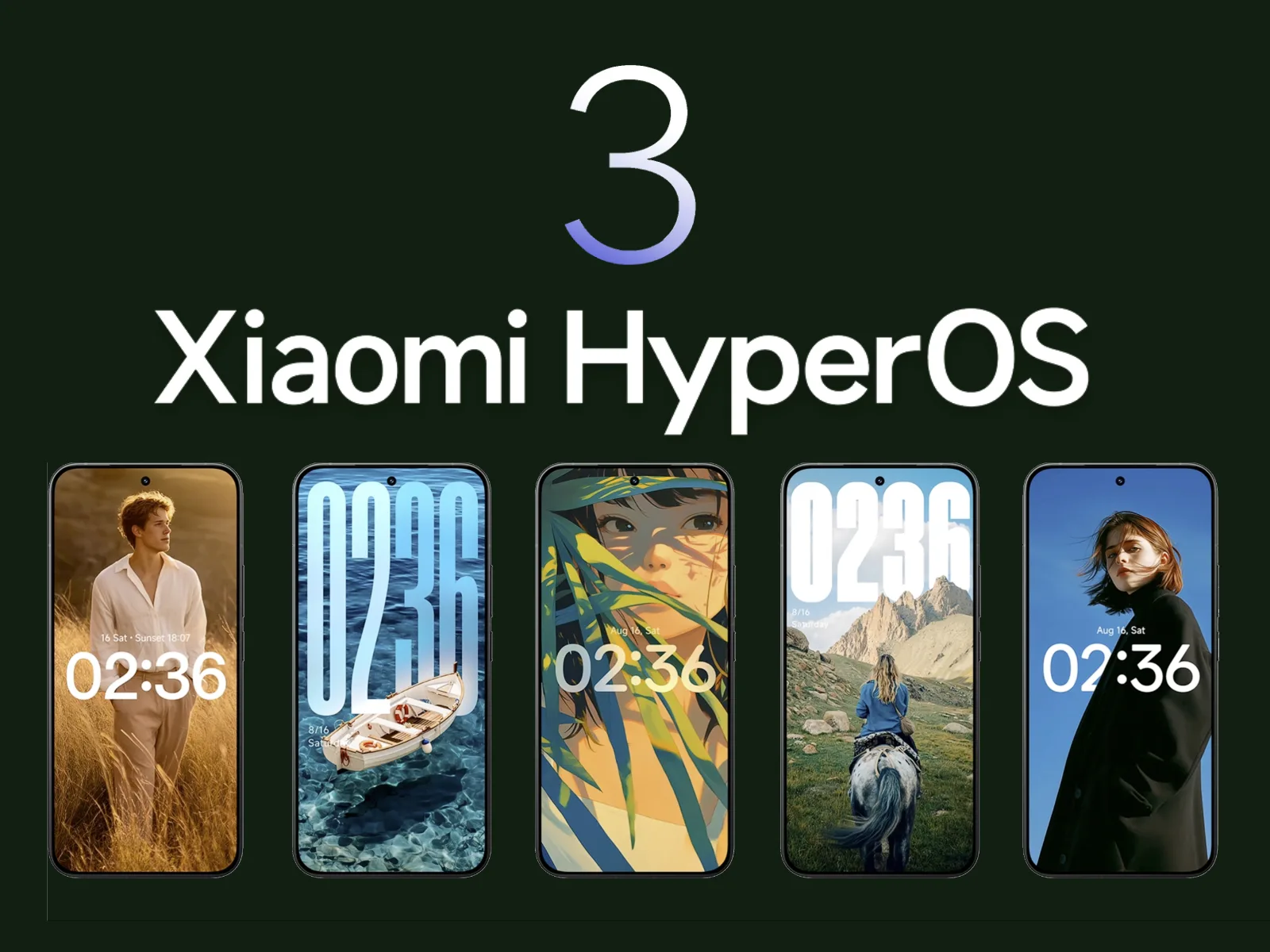
As December 2025 draws to a close, Xiaomi plans to release HyperOS 3.0 stable for roughly 25 devices before entering 2026. Additionally, if you haven’t received the latest update, make sure your phone is on this list.
In addition to releasing its next-generation Ultra flagship, Xiaomi has hinted at a stable HyperOS 3.0 rollout for 25 devices by 2026.
Indeed, by the end of this month, several of the top-notch Xiaomi, Redmi, and POCO devices will receive updated software. All of the models that are presently using beta builds are prepared for a widespread rollout.
Some phones were listed as “ready to release” on the company’s main server. That most likely indicates that Xiaomi is prepared to provide the updated version for its phones that were left out.
However, it’s important to note that not every device will receive the HyperOS release based on Android 16. Only Android 15 OS upgrades are available for some of them. For example, the Android 15 version will be available for the Redmi K60 and Xiaomi Pad 6 series.
Below, you can see every device that qualifies for this month’s HyperOS 3.0 stable upgrade.
These 25 Xiaomi devices are getting stable HyperOS 3 this month
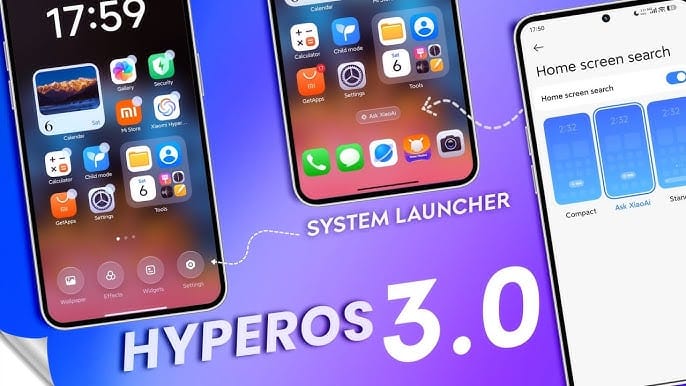
A new HyperOS 3 Launcher Beta update from Xiaomi focuses primarily on the look and feel of compatible models, animated effects in recent apps, and system reliability. This update has been made available to early HyperOS 3 testers in order to optimize their navigation experience. In an effort to improve HyperOS, Xiaomi has also released a beta build for compatible models that can be tested worldwide.
HyperOS 3 Launcher Beta Update Overview
Version RELEASE-6.01.03.1940-12221356 is the most recent version of HyperOS 3 Launcher Beta, which is packed as a second package and is categorized as a stacked layout type beta release. In keeping with Android’s more recent system framework, it raises the “minimum API level” to 35.
Only devices running HyperOS 3 are eligible for this upgrade. Installing this version on other devices may result in instability or visual issues, as Xiaomi has made clear.
It is crucial to comprehend the list of devices that are supported before proceeding with the modifications. This beta is limited to a few high-end, performance-focused phones from Xiaomi.
The REDMI K series gadgets are introduced internationally under POCO brands and are exclusively accessible in mainland China. Internationally, the REDMI K Ultra line of devices is sometimes referred to as the Xiaomi T series. As long as the device is compatible with HyperOS 3, Xiaomi has verified that this beta version functions on the worldwide version.
Xiaomi’s HyperOS 3 launcher beta update: new features and fixes explained
This update improves system functionality to make everything run much more smoothly rather than adding any new features to the device.
Key Improvements and Fixes
Optimized the display hierarchy of the tasks window in the case of recent tasks.
Optimizations for the animations of opening frequently used apps in classic navigation key mode.
Corrected positioning of playing cards for vertical layout mode
Fixed issues concerning unusual app behavior when opening and quitting recent apps.
Resolved animation bugs that occurred when there was a recent application switch
Improved background adaptation for small window cards in dark mode
With less visual disparities, particularly when switching between apps, these new modifications improve multitasking.
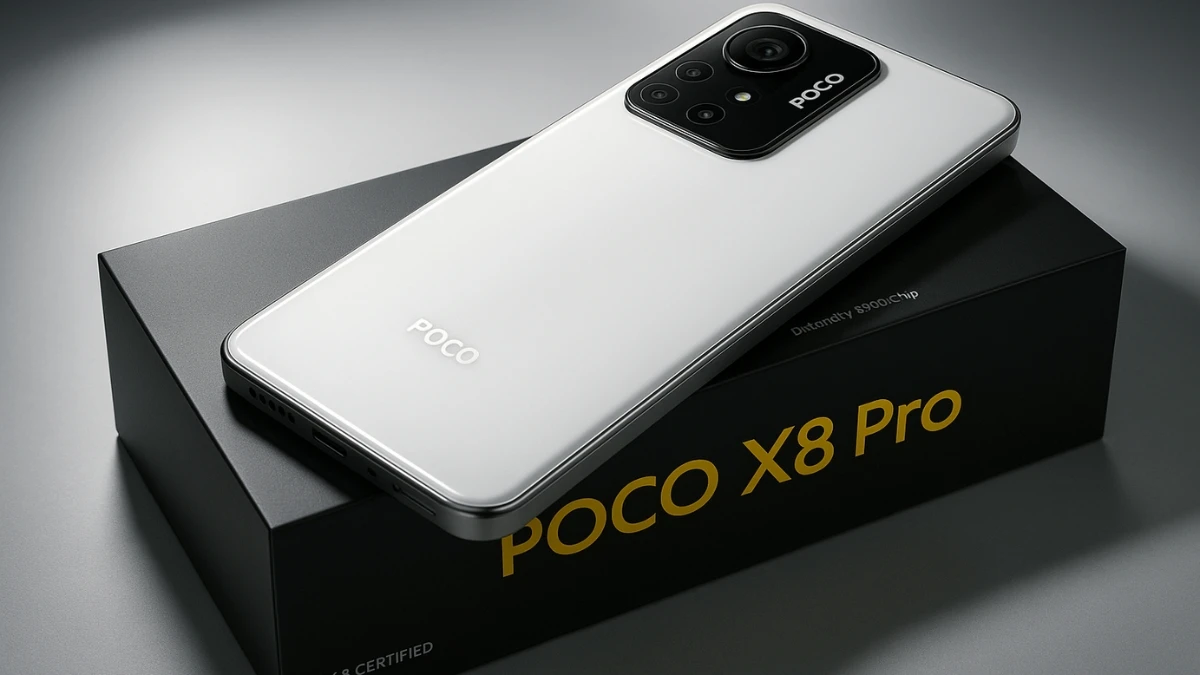
I never get tired of looking at Xiaomi phones. They have foldables, enormous one-inch Sony sensors that produce images with remarkable depth, and now leaks of the POCO X8 Pro point to a phone that might feature one of the largest batteries ever in a popular smartphone. The Redmi Turbo 5 will soon be available in China, and there will be some surprises along the road.
Although Xiaomi’s decision to challenge Tesla in the electric vehicle business sounds crazy (I’m also intrigued), the smartphone market is as fascinating. Xiaomi is adopting a different strategy, despite predictions that the average cost of smartphones in the US will rise between 2023 and 2028. Strong performance at a reasonable price could make the POCO X8 Pro stand out. Naturally, there is a catch, just as with anything worthwhile.
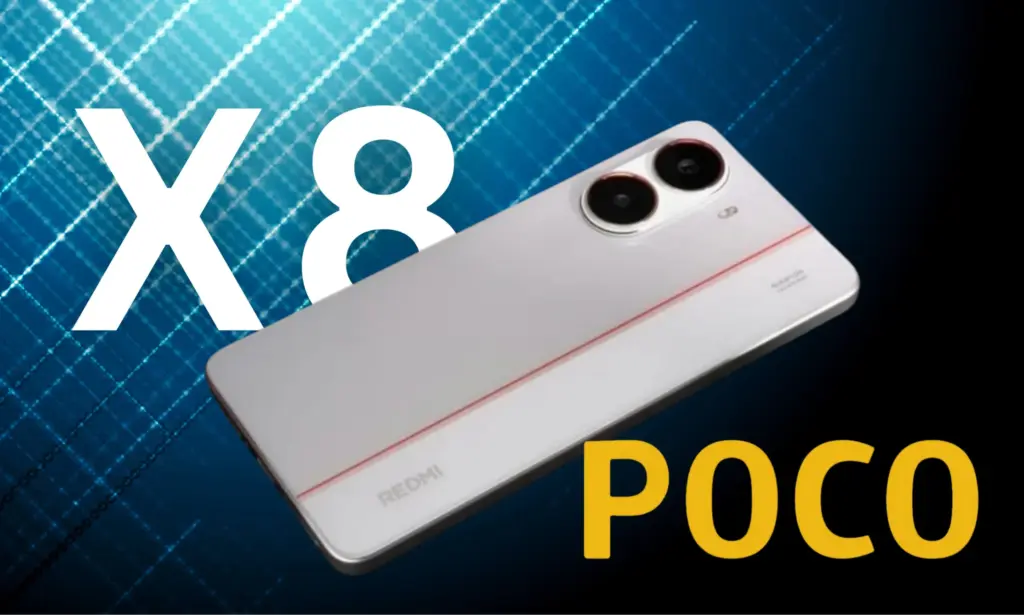
According to leaks, Xiaomi is getting ready to release the Redmi Turbo 5 for the Chinese market in November. Around January, the device will be released internationally under the name POCO X8 Pro.
The new model should be close to the Turbo 4’s launch price of CN¥1,999 ($280) for the 12 GB + 256 GB configuration. Even with some new features, I would still wager on a pricing close to $280, which is where Xiaomi usually outperforms the competition.
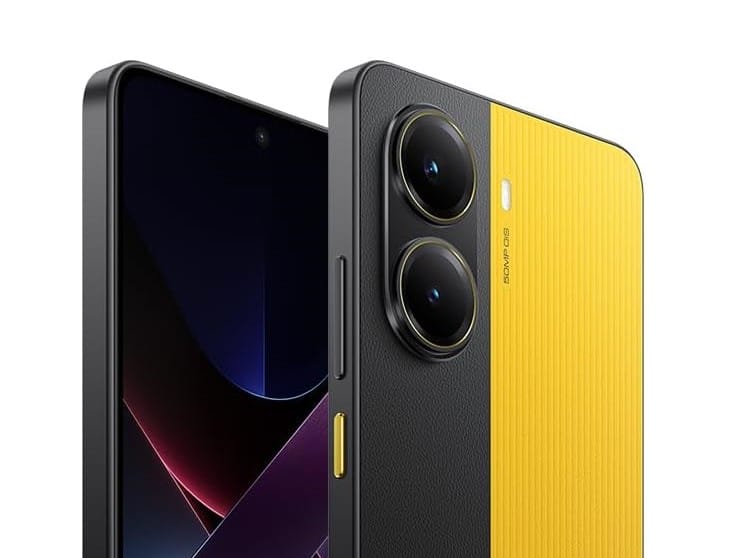
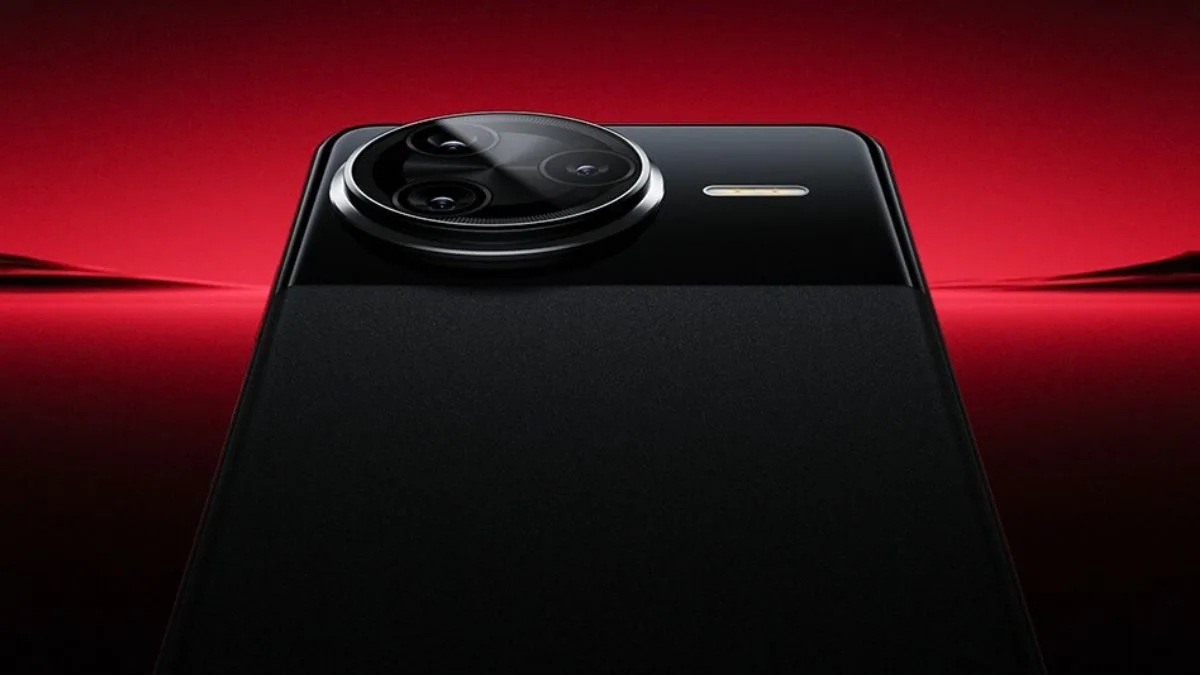
According to Digital Chat Station, the POCO X8 Pro will include a metal mid-frame, which is a significant improvement above its predecessor’s plastic construction. The phone appears sharper because to the elegant, contemporary punch-hole screen design.
The Redmi Turbo 5 boasts a 6.7-inch AMOLED panel with a sharp pixel density of 446 ppi and a resolution of 1220 x 2712. The 120 Hz refresh rate makes images pop and scrolling seem fluid. The Turbo 5’s 4,000 nits peak brightness, which makes the screen easy to view even in direct sunlight, is what makes it unique. The iPhone 17 Pro Max, in contrast, can reach 3,000 nits outside.
POCO X8 Pro performance
According to Smart Pikachu, MediaTek’s Dimensity 8500 Ultra processor could power the Turbo 5. The 9500e and 8500 chips from MediaTek are anticipated to be released by January. With speeds of up to 3.73 GHz, the 9500e is unique. One Cortex-X925, three Cortex-X4, and four Cortex-A720 cores are mixed together in its CPU. Therefore, the Dimensity 8500 tends toward balance, whilst the 9500e concentrates on raw power. It has eight high-performance cores built on ARM’s new A725 architecture and employs TSMC’s 4nm technology.
The Turbo 5 will join the OPPO Reno 15 Pro, HONOR Power 2, and Realme Neo 8, which are all said to have the same MediaTek chip, if Xiaomi decides to go with the Dimensity 8500 Ultra.
Battery
With the HONOR X70 reaching 8,300 mAh in 2025, smartphone manufacturers have been pushing battery sizes to new limits. Furthermore, it appears that the next breakthrough might be even more significant.
According to a different rumor from Digital Chat Station, Xiaomi intends to include a 9,000 mAh battery in one of its next phones. The Weibo tipster claims that the single-cell silicon battery is prepared for manufacturing.
It’s unknown which model will receive this enormous battery. The 9,000 mAh option may go to a Pro or Pro Max model because some sources indicate a base 7,500 mAh version. The stakes are further raised by the fact that the enigmatic phone will feature 100 W fast charging.
However, I don’t think the same battery will be available in areas outside of China for the Redmi Turbo 5 series. Larger silicon-carbon mobile phones often have lower capacity in the US and Europe. Thus, be mindful of your expectations.
Strict regulations are the reason why Apple and Samsung don’t sell large batteries. For example, US government regulations (49 CFR 173.185) limit the size of lithium-ion batteries used in phones to 20 Wh. That explains why I had trouble using the iPhone 15 Pro last week—my battery failed while I was on vacation (thanks to my power bank for getting me to the hotel without any issues).
I’m already figuring out how to get one here if Xiaomi releases the POCO X8 Pro with the same 9,000 mAh battery. Even on my longest days out, I can’t see ever having to worry about running out of battery. It makes me happy to consider carrying a phone that can withstand travel, work, and sporadic browsing sessions. However, if you share my belief that “battery beats slim,” don’t get too enthusiastic just yet because Xiaomi might be cautious outside of China.
Both Android 17 and Xiaomi HyperOS 4.0 are in development, and it appears that this software update will significantly improve Xiaomi devices’ gaming capabilities. Here is some fresh information that clarifies this issue.
Google will enhance system-level updates and game controller compatibility with Android 17, according to XiaomiTime. To increase smartphone users’ gaming time, it will probably have a gamepad button or be a completely virtual controller.
The 17th build will allow users to remap or alter system buttons and lessen reliance on game-specific settings, in contrast to earlier Android versions that relied on predefined buttons for Xbox controllers.
The most recent Android Canary release makes this evident by displaying strings such as android.permission.CONTROLLER_REMAPPING, which is managed by the flag com.android.hardware.input.controller_remapping.
For a reliable and consistent remapping without the need for external hardware or ADB, keep in mind that this only applies to system-level apps signed with the platform key.
In order to improve the user experience overall, it’s possible that HyperOS 4 (Android 17) will eventually offer the same gaming functionality to Xiaomi smartphones.
Therefore, HyperOS 4.0, which is based on Android 17, can be the ideal upgrade for you if you enjoy playing games with controllers.
With HyperOS 3.0, Xiaomi is intensifying its efforts to offer Android 16. At last, older Xiaomi smartphone models are catching up. Is this the company’s most ambitious Android update cycle to date?
It is difficult to bring significant Android updates to the front row given Xiaomi’s extensive selection of Android devices. Android 16’s pace has improved somewhat since its skinned HyperOS 3 was released on a few models in August and September, with the global release scheduled for October. With more phones, especially older models, receiving a taste of fresh Android software, the business has now taken a bigger step before the year ends.
More Xiaomi Devices Get Android 16
Xiaomi just released HyperOS 3.0 on a number of smartphones in its own country. Among them are popular mid-range devices such as the Redmi Note 13 Pro (Plus), Redmi Note 14 Pro (Plus), and Redmi Note 15 Pro (Plus). It is strange that the Redmi Note 15 Pro was not included in the initial batch, given they were released in 2023, 2024, and 2025, respectively.
The Xiaomi 13 series, which includes the 13 Pro and 13 Ultra (review), is also covered in the release. The 13 Ultra was released a few months after the previous two, which made their premiere in the end of 2022. What does this imply for phones that are sold outside of China, then?
What Makes HyperOS 3.0 Worth the Wait?
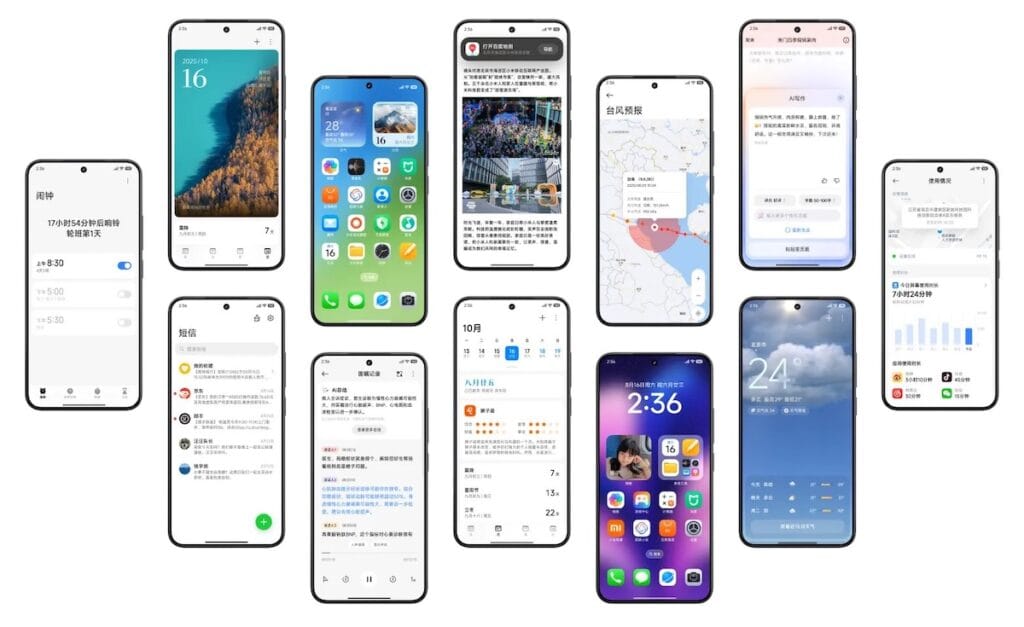
With multiple UI modifications, HyperOS 3.0 is a more exciting version than HyperOS 2.0. App icons and system text, as well as the home screen and quick settings, all have a more contemporary and tidy appearance. AI wallpapers and new styling are also added to the lock screen. The Super Island, which displays dynamic and live widgets using the notch, is a more noteworthy visual innovation.
With the official release of the HyperOS 3 upgrade for the POCO F6 Pro, which is based on Android 16, Xiaomi’s worldwide flagship platform has undergone a significant software evolution. Smoother visual interactions, AI-level system enhancements, and performance stability for demanding users are the main goals of this update. The upgrade, which is presently accessible via the official Recovery ROM channel, validates Xiaomi’s long-term software plan for high-end POCO devices.
Poco F6 Pro receives HyperOS 3 based on Android 16
For the worldwide version of the device, which is internally connected to the Redmi K70 platform, a new firmware known as OS3.0.4.0.WNKMIXM has been made available. According to the update, POCO’s flagship lineup is in line with Xiaomi’s most recent system design and long-term Android policy. In everyday usage scenarios, such as gaming, multitasking, and professional workloads, HyperOS 3 is designed to provide more responsive animations, lower power consumption, and stronger system-level intelligence.
Tech details
The update strengthens system stability and modernizes the user interface while keeping a consistent business-grade experience.
Device codename: vermeer_global
Base system: Android 16
Build number: OS3.0.4.0.WNKMIXM
Distribution type: Recovery ROM
Region: Global (POCO F6 Pro / Redmi K70 platform)
What is new?
A more organized and effective visual language that prioritizes practical usability over ostentatious visual elements is introduced in HyperOS 3. While maintaining Android’s flexibility, Xiaomi has improved program icons, created a better notification hierarchy, and introduced a more seamless version of the iOS-style interaction experience. Super Island is a new feature that improves multitasking by enhancing the behavior of mini-widgets, background processes, and floating windows throughout the system.
Main updates
Users receive a balanced combination of performance, visual, and AI-level upgrades:
Advanced AI system optimizations for background tasks
Refreshed system icons with better visual clarity
iOS-style visual flow with improved gesture animations
Super Island for smarter floating windows and task continuity
Currently available through Recovery ROM, the HyperOS 3 upgrade is designed for POCO F6 Pro devices worldwide. By releasing this build in stages to guarantee long-term dependability, Xiaomi continues to uphold regional stability. Users are urged to stay away from unofficial downloads and adhere to Xiaomi’s official update policy.
Xiaomi has quietly stopped supporting software updates for the Redmi 12C and its international counterpart, the POCO C55. No new firmware, including HyperOS 2, has been released in the last two months, and the devices were last updated with the October 2025 security patch. These devices are anticipated to become officially EOL in February 2026, according to Xiaomi’s internal software roadmap.
Why these devices eeached EOL
For its entry-level series, Xiaomi has clear updating policies. The POCO C55 and Redmi 12C were marketed as reasonably priced smartphones designed for everyday use, typically with shorter support cycles.
Each device finished its usual update window with HyperOS maintenance releases and Android fixes prior to hitting EOL. This change is intended to allow Xiaomi to focus attention on more recent models and maintain system stability throughout the ecosystem.
Users can still improve device stability by updating compatible system apps even after system firmware updates have ceased. Xiaomi smartphone owners have two reliable options:
Recommended Update Channels
HyperOSUpdates.com: provides direct links to Xiaomi system app packages.
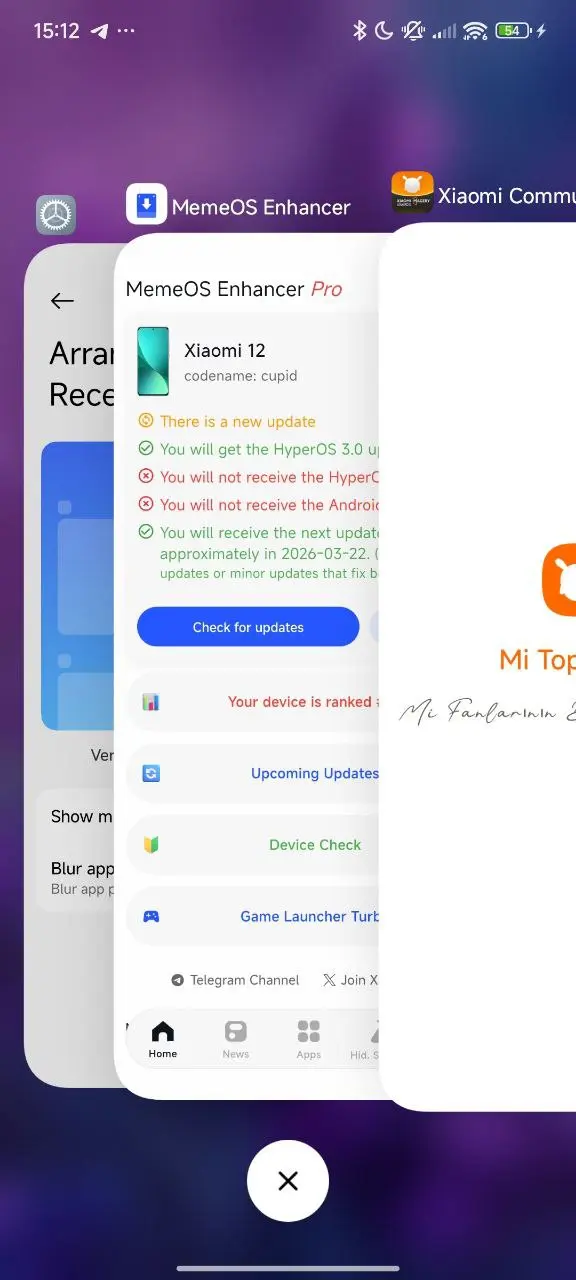
MemeOS Enhancer app on Google Play – allows users to update system apps, enable hidden features of Xiaomi, and manage interface components smoothly.
EOL does not automatically affect device functionality, and users may still experience adequate performance for daily tasks.
With smartphones that offer increasingly better performance and longer support cycles, Xiaomi continues to broaden its selection of reasonably priced products. As part of the broader shift to the enhanced environment offered by HyperOS and more efficient update delivery, devices like the Redmi 12C and POCO C55 are being retired organically. A more explicit software policy is anticipated in upcoming budget releases.
Xiaomi is closing out the year with fresh Poco flagships and a huge HyperOS 3.0 update based on Android 16. From new phones to a revised UI, here’s what’s rolling out and when you can expect it on your smartphone.
Xiaomi has more phones to release this year. The worldwide versions of the Poco F8 Pro and F8 Ultra were just released. The company has revised the HyperOS 3.0 deployment schedule, which is now expected to reach over a dozen Poco phones and tablets, in tandem with the surge of new hardware.
The new Poco F8 Pro and Poco F8 Ultra flagships ship with Android 16 out of the box. Other models will be released on a staggered schedule.
Which Poco devices are confirmed to get HyperOS 3.0
For the initial group of Poco devices, the deployment started in October and will last until the end of November. The Poco F7 and X7 series from the previous year, including its Ultra variants, are at the top of the list. Some users outside China have already reported receiving the software. However, it’s not uncommon for other devices to only receive notifications in the upcoming days, depending on variations.
The Poco F6 (Pro), Poco X6 Pro, Poco M7, Poco M6 (Pro), and Poco C75 will lead the following batch in December.
Between December 2025 and March 2026, a broader release that includes the Poco F5 (Pro), Poco X6, Poco M7 Pro, and Poco C85 is scheduled. Poco’s Android tablets, such as the Poco Pad, Poco Pad X1, and Poco Pad M1, will join these. Regretfully, Xiaomi has not disclosed the timing for every device.
What’s new in HyperOS 3.0?
HyperOS 3.0 is built on Android 16, which adds its own set of new features and customizations. Xiaomi’s version offers a substantial user interface overhaul, increased security, and superior optimization for longer battery life and smoother performance.
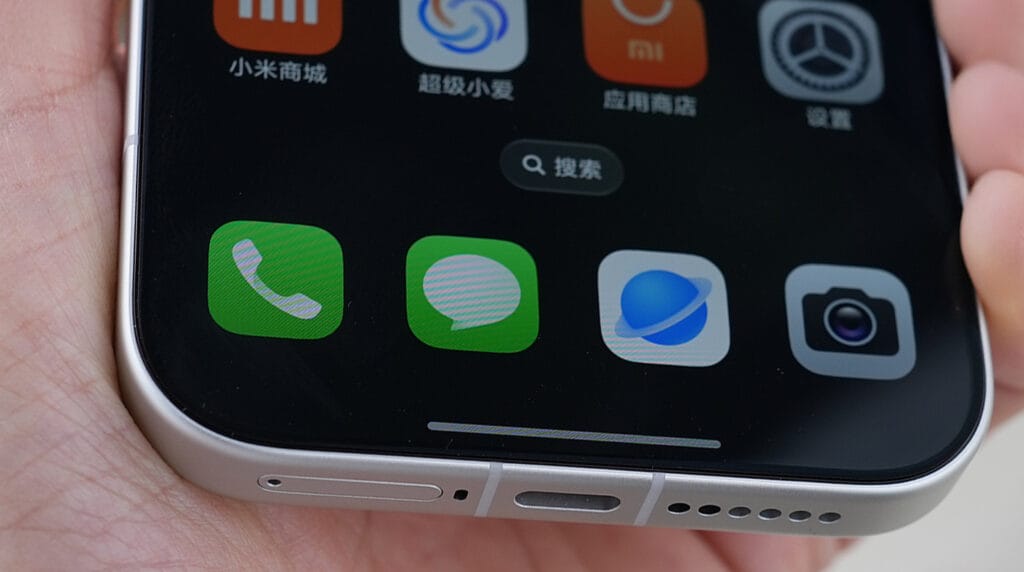
The most noteworthy graphic modification is Super Island, inspired by iOS’s Dynamic Island. As a native feature of Android 16, it is integrated into the punch-hole camera region and shows live updates and dynamic widgets.
The main UI has also been overhauled with transparent parts, blurred backgrounds, and redesigned app icons. Users receive new styles on the lock screen, like as live effects and AI-generated wallpapers.
Additionally, Xiaomi promises enhanced usability and performance. Multitasking and app switching are stated to be snappier, while overall responsiveness is quicker.
Permission limits and improved data protection have improved security. In other areas, HyperOS 3.0 provides closer connection with Xiaomi’s wider range of products.
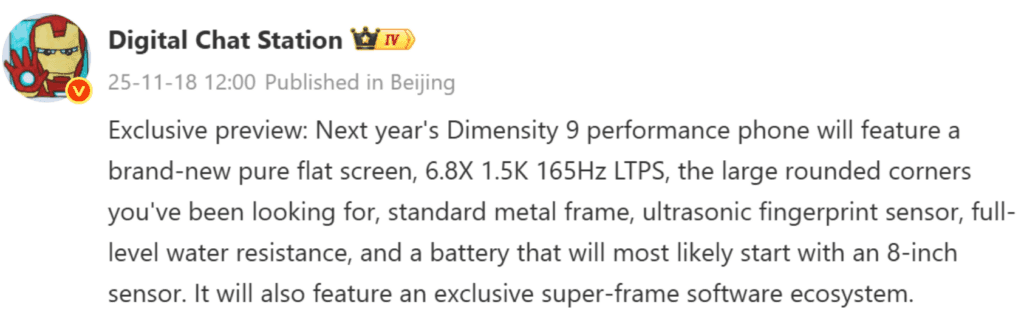
The Redmi K90 Ultra, which will probably arrive in China in a few months, is already being discussed in the rumor mill after Redmi unveiled the K90 and K90 Pro Max in October. Digital Chat Station‘s early information suggests significant improvements over the current models, providing a first glimpse of Xiaomi’s potential lineup expansion. The information provides a first look, and as launch draws near, more clarity is probably in store.
Redmi K90 Ultra key specs
The Redmi K90 Ultra is anticipated to include a 6.8-inch LTPS OLED display with a 1.5K resolution and a quick refresh rate of 165 Hz, according to the leak. The device may include a metal central frame for increased durability, and the screen is rumored to feature rounded corners.
Strong water protection is also anticipated, which is consistent with the stronger resistance ratings of more recent high-end models. An improved audio system and an ultrasonic in-display fingerprint scanner are two more anticipated enhancements.
Battery capacity appears to be one of the most notable features. According to rumors, the phone would have a battery of about 8,000 mAh, which is a significant improvement over the K90 Pro Max and earlier Ultra models. Additionally, a specialized high frame rate software layer that could improve the overall performance profile—particularly for gaming—is hinted at by the tipster.
According to reports, the MediaTek Dimensity 9 series chipset powers the Redmi K90 Ultra. This might be the Dimensity 9500 Plus, which is expected to be released in 2026. The leak characterizes the Ultra as a performance-focused model, implying that photography may continue to be at a respectable but not flagship-leading level, even though camera details have not been disclosed.
The K80 Ultra’s June 2025 release cycle is anticipated to be followed by the K90 Ultra. The K90 Ultra might make its Chinese debut around the middle of 2026 if Xiaomi sticks to this schedule. It’s possible that a modified K90 Ultra may go on sale as a Xiaomi flagship worldwide.
Based on both Android 15 and Android 16, Xiaomi is preparing for the release of HyperOS 3. This will be the final update for many of its older smartphones that receive HyperOS 3, which is based on Android 15. There won’t be any more HyperOS 3.1 updates. In an effort to deploy the newest operating system on a large number of devices, Xiaomi is currently internally testing the HyperOS 3 version based on Android 15 on a few smartphones. This is a significant step in the company’s software development process.
On certain of their smartphones, Xiaomi has already begun testing Hyper OS 3, which is based on Android 15. For some smartphones, this release will be the final significant update, so users should be prepared for some limitations in subsequent updates. The list of devices that are believed to be in the first wave of updates, according to the testing process, first batch include the REDMI Note 13 5G, the POCO F5 Pro, and the Xiaomi 13 Lite, which may be receiving the update to the HyperOS 3 on the Android 15 platform firstly.
Initial Worldwide Rollout of Android 15-based HyperOS 3
The Redmi Note 13 5G is among the first smartphones to get the global upgrade for Android 15-based HyperOS 3, according to data from the Mi community testing logs. The following smartphones will also get the update:
Xiaomi 13 Lite / Civi 2 (EEA – OS3.0.0.1.VLLEUXM)
POCO F5 Pro / Redmi K60 (China – OS3.0.0.4.VMNCNXM | Global – OS3.0.0.1.VMNMIXM)
POCO X6 Neo / Redmi Note 13 5G / Redmi Note 13R Pro (China – OS3.0.0.4.VNQCNXM | Turkey – OS3.0.0.2.VNQTRXM | Global – OS3.0.0.2.VNQMIXM | EEA – OS3.0.0.2.VNQEUXM)
Based on preliminary testing schedules, the Redmi Note 13 5G seems to be the front-runner for the Android 15-based HyperOS 3 Global update. Our list indicates that Xiaomi has yet to begin testing HyperOS 3, which is based on Android 15, on these devices:
Xiaomi 12S
Xiaomi 12S Pro
POCO F5 5G
POCO M6 Pro
Redmi Note 12 Turbo
Xiaomi 12T
HyperOS 3 based on Android 15 is not anticipated to be released on any devices other than those specified above.
With the release of the HyperOS 3, consumers of the Xiaomi lineup with compatible phones will have access to an even more feature-rich interface thanks to Android 15’s optimization. Customers will be happy to hear that some older versions will also receive updates, but they will stop after that. Users are advised to stay informed about the updates to make sure their phones will be among those receiving the most recent versions due to Xiaomi’s ongoing commitment to deliver the most recent changes.