Tag: battery

  • Xiaomi 17 Ultra global model may launch with a smaller battery than China version

    Xiaomi 17 Ultra global model may launch with a smaller battery than China version

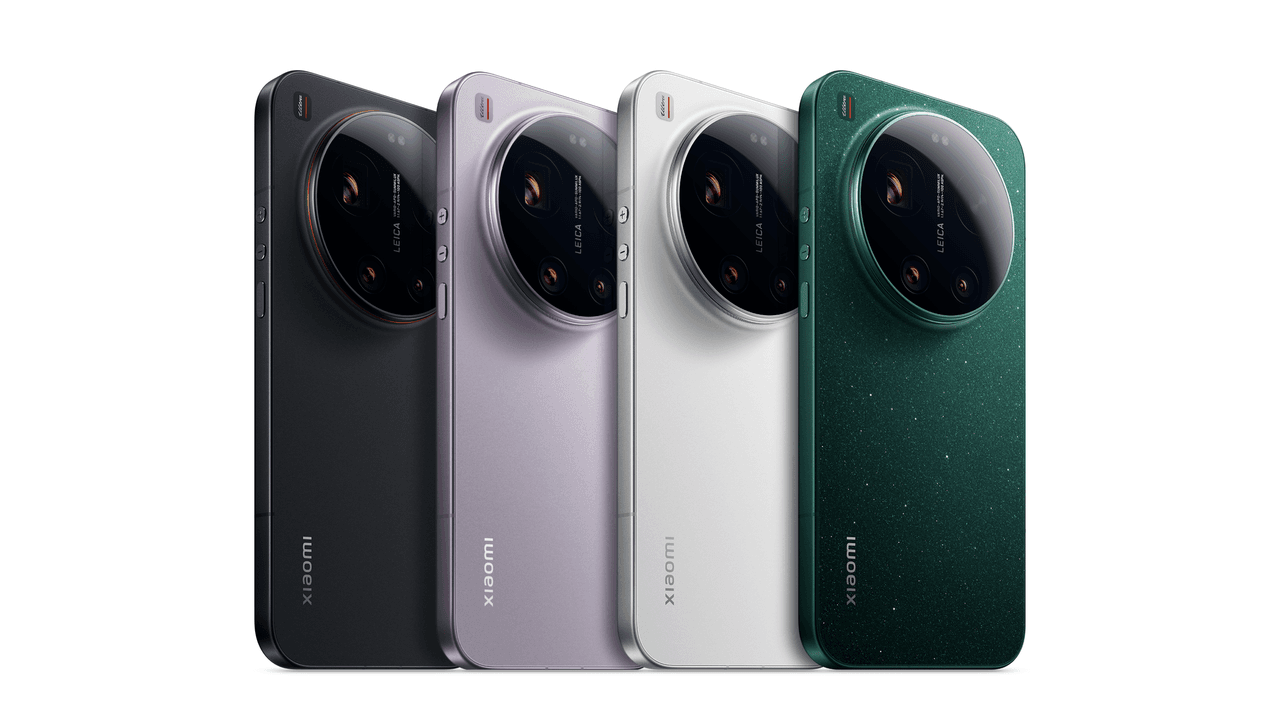
    New information retrieved from MI code indicates that the company is developing a global version of the Xiaomi 17 Ultra, which differs significantly from the China-only variant in terms of hardware. In particular, the worldwide version will have a smaller battery. This modification does not affect the device’s basic positioning in terms of performance, but historically, Xiaomi has used similar strategies during international launches, so it is not surprising.

    How battery size varies between China and global versions of the device

    The most crucial difference between the two versions, however, is their battery size: although the Xiaomi 17 Ultra hits the Chinese market with a 6,800 mAh battery, its global counterpart will reportedly come with a 6,000 mAh unit. Looking at that, such a cut seems related more to different regional certification requirements and some internal design changes rather than cost-cutting measures.
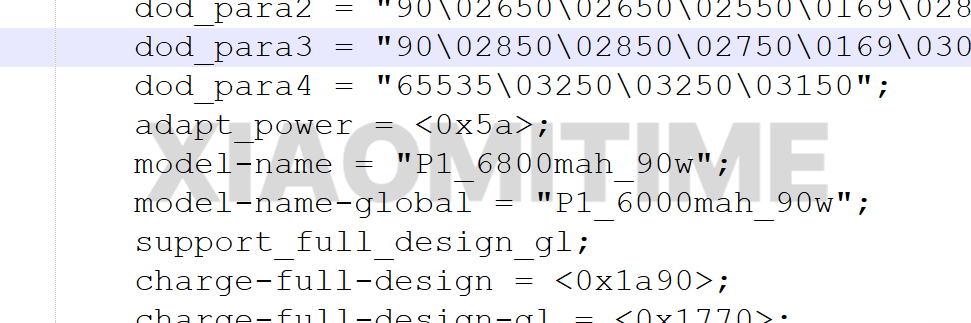
    Xiaomi 17 Ultra global model kernel code battery

    Xiaomi is not altering the charging technology despite the lower battery. Additionally, the global Xiaomi 17 Ultra will enable 90W wired fast charging, guaranteeing competitive charging times and preserving the high-end user experience typical of the Ultra series.

    Xiaomi 17 Ultra other specs

    Everything else is largely consistent across areas, with the exception of the battery adjustment. Carrying on Xiaomi’s Ultra philosophy, the Xiaomi 17 Ultra will probably be heavily focused on camera performance.

    The anticipated camera configuration consists of:

    The Xiaomi 17 Ultra will be among the most potent Android smartphones in its class thanks to its Snapdragon 8 Elite Gen 5 CPU. It is anticipated that the device’s memory and storage options will essentially stay the same across various markets.
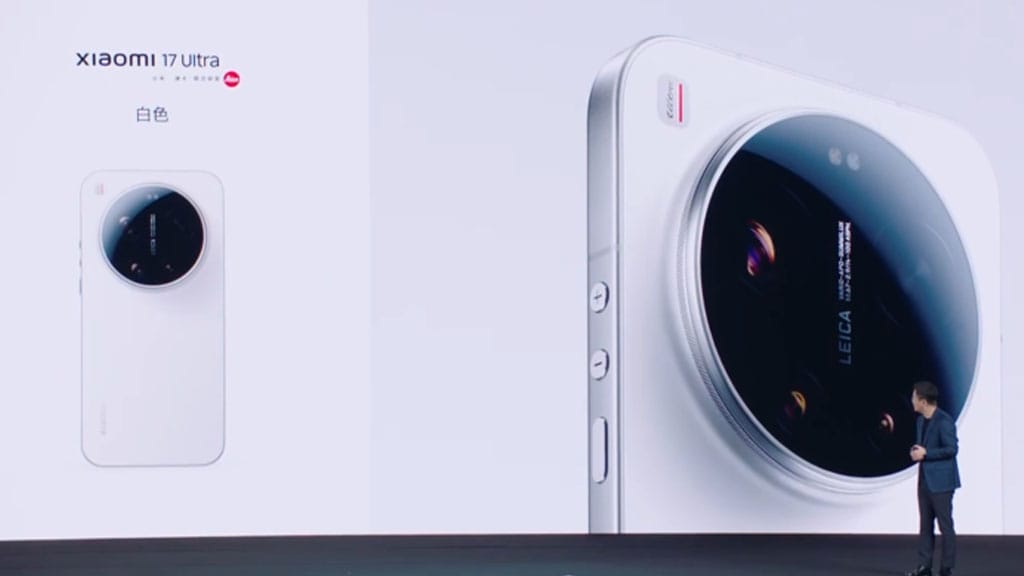
    xiaomi 17 ultra global launch

    About price

    As memory and component costs rise, prices may also. In China, the Xiaomi 17 Ultra’s price may increase by 500–1000 yuan, or roughly $70–$140 USD. Global pricing has not yet been verified because these prices are based on data from China.

    In the past, Xiaomi has modified its worldwide prices according to local market conditions, logistics, and taxes. The battery reduction is more of a strategic regional adaptation than a sign of a reduced market positioning.

    The comprehensive budget, often called the master budget, is created by combining the strategic budget and the LOB development.
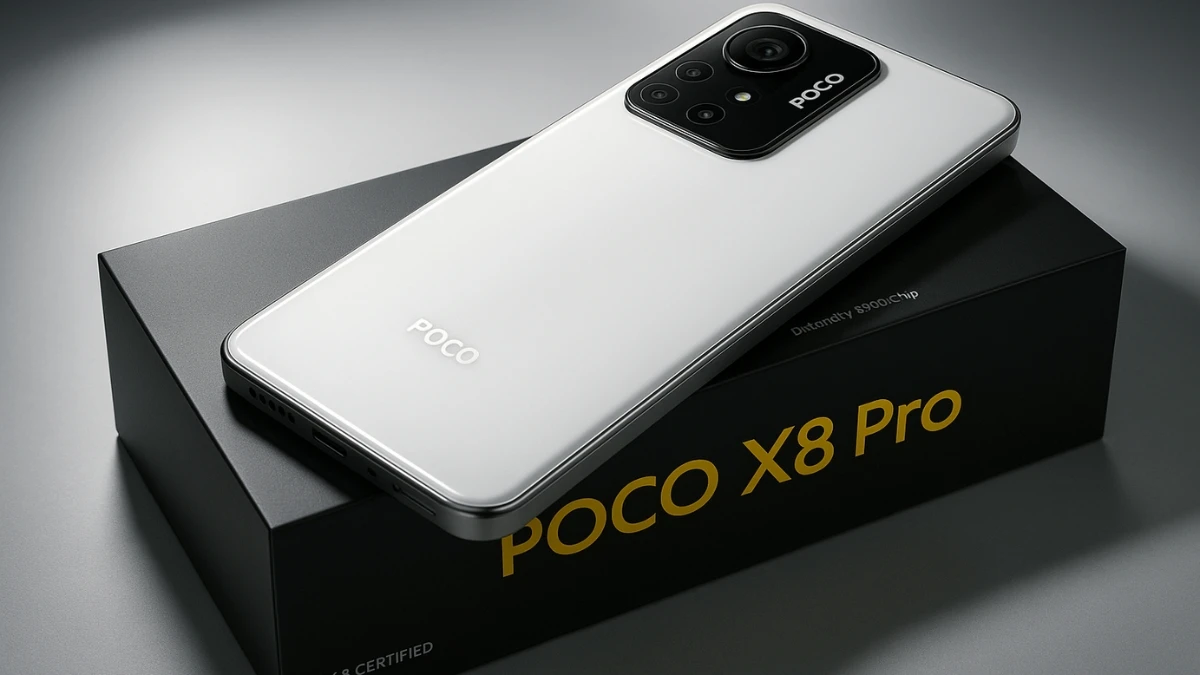
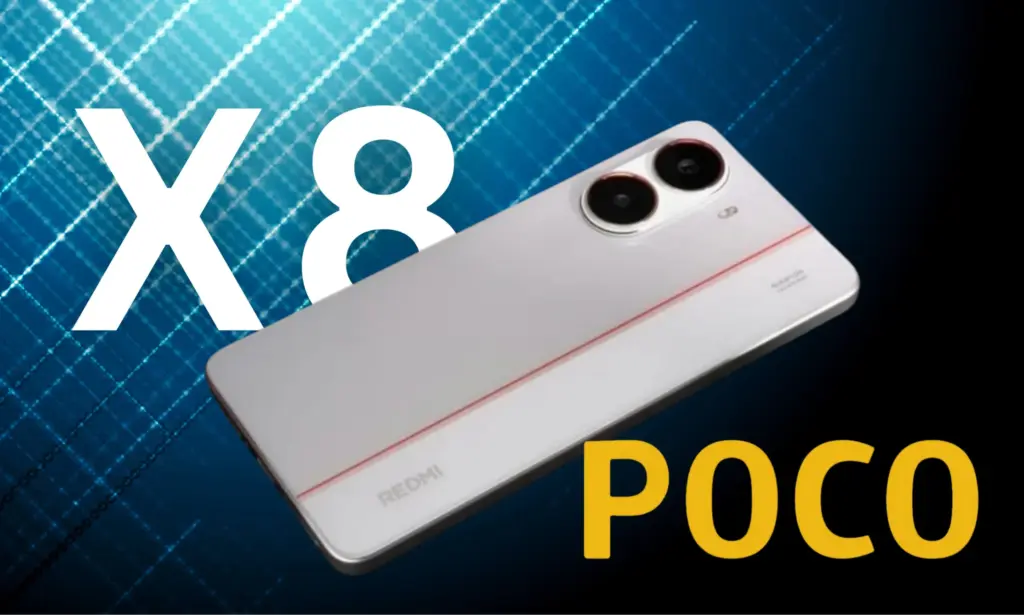
  • POCO X8 Pro #leak suggest a massive battery similar to Redmi Turbo 5

    POCO X8 Pro #leak suggest a massive battery similar to Redmi Turbo 5

    I never get tired of looking at Xiaomi phones. They have foldables, enormous one-inch Sony sensors that produce images with remarkable depth, and now leaks of the POCO X8 Pro point to a phone that might feature one of the largest batteries ever in a popular smartphone. The Redmi Turbo 5 will soon be available in China, and there will be some surprises along the road.

    Although Xiaomi’s decision to challenge Tesla in the electric vehicle business sounds crazy (I’m also intrigued), the smartphone market is as fascinating. Xiaomi is adopting a different strategy, despite predictions that the average cost of smartphones in the US will rise between 2023 and 2028. Strong performance at a reasonable price could make the POCO X8 Pro stand out. Naturally, there is a catch, just as with anything worthwhile.

    According to leaks, Xiaomi is getting ready to release the Redmi Turbo 5 for the Chinese market in November. Around January, the device will be released internationally under the name POCO X8 Pro.

    The new model should be close to the Turbo 4’s launch price of CN¥1,999 ($280) for the 12 GB + 256 GB configuration. Even with some new features, I would still wager on a pricing close to $280, which is where Xiaomi usually outperforms the competition.

    POCO X8 Pro #leak suggest a massive battery similar to Redmi Turbo 5

    According to Digital Chat Station, the POCO X8 Pro will include a metal mid-frame, which is a significant improvement above its predecessor’s plastic construction. The phone appears sharper because to the elegant, contemporary punch-hole screen design.

    The Redmi Turbo 5 boasts a 6.7-inch AMOLED panel with a sharp pixel density of 446 ppi and a resolution of 1220 x 2712. The 120 Hz refresh rate makes images pop and scrolling seem fluid. The Turbo 5’s 4,000 nits peak brightness, which makes the screen easy to view even in direct sunlight, is what makes it unique. The iPhone 17 Pro Max, in contrast, can reach 3,000 nits outside.

    POCO X8 Pro performance

    According to Smart Pikachu, MediaTek’s Dimensity 8500 Ultra processor could power the Turbo 5. The 9500e and 8500 chips from MediaTek are anticipated to be released by January. With speeds of up to 3.73 GHz, the 9500e is unique. One Cortex-X925, three Cortex-X4, and four Cortex-A720 cores are mixed together in its CPU. Therefore, the Dimensity 8500 tends toward balance, whilst the 9500e concentrates on raw power. It has eight high-performance cores built on ARM’s new A725 architecture and employs TSMC’s 4nm technology.

    The Turbo 5 will join the OPPO Reno 15 Pro, HONOR Power 2, and Realme Neo 8, which are all said to have the same MediaTek chip, if Xiaomi decides to go with the Dimensity 8500 Ultra.

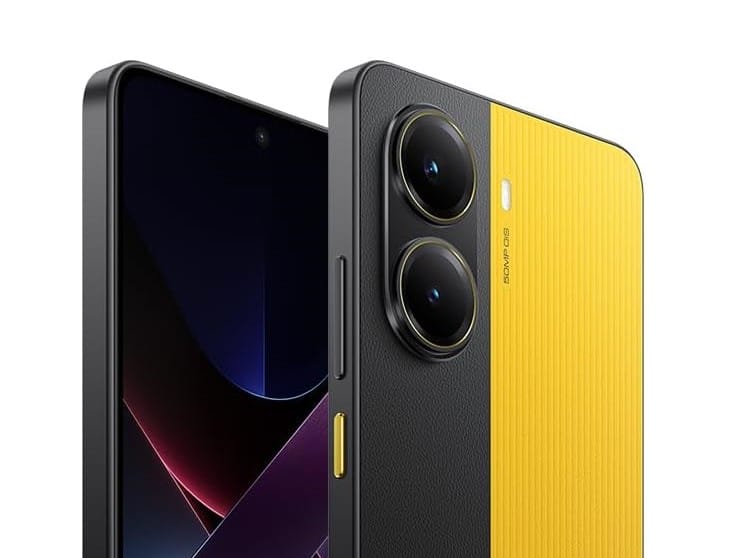
    POCO X8 Pro yellow and black

    Battery

    With the HONOR X70 reaching 8,300 mAh in 2025, smartphone manufacturers have been pushing battery sizes to new limits. Furthermore, it appears that the next breakthrough might be even more significant.

    According to a different rumor from Digital Chat Station, Xiaomi intends to include a 9,000 mAh battery in one of its next phones. The Weibo tipster claims that the single-cell silicon battery is prepared for manufacturing.

    It’s unknown which model will receive this enormous battery. The 9,000 mAh option may go to a Pro or Pro Max model because some sources indicate a base 7,500 mAh version. The stakes are further raised by the fact that the enigmatic phone will feature 100 W fast charging.

    However, I don’t think the same battery will be available in areas outside of China for the Redmi Turbo 5 series. Larger silicon-carbon mobile phones often have lower capacity in the US and Europe. Thus, be mindful of your expectations.

    Strict regulations are the reason why Apple and Samsung don’t sell large batteries. For example, US government regulations (49 CFR 173.185) limit the size of lithium-ion batteries used in phones to 20 Wh. That explains why I had trouble using the iPhone 15 Pro last week—my battery failed while I was on vacation (thanks to my power bank for getting me to the hotel without any issues).

    I’m already figuring out how to get one here if Xiaomi releases the POCO X8 Pro with the same 9,000 mAh battery. Even on my longest days out, I can’t see ever having to worry about running out of battery. It makes me happy to consider carrying a phone that can withstand travel, work, and sporadic browsing sessions. However, if you share my belief that “battery beats slim,” don’t get too enthusiastic just yet because Xiaomi might be cautious outside of China.

  • Global debut for the Redmi Note 15 series as sales kick off next week

    Global debut for the Redmi Note 15 series as sales kick off next week

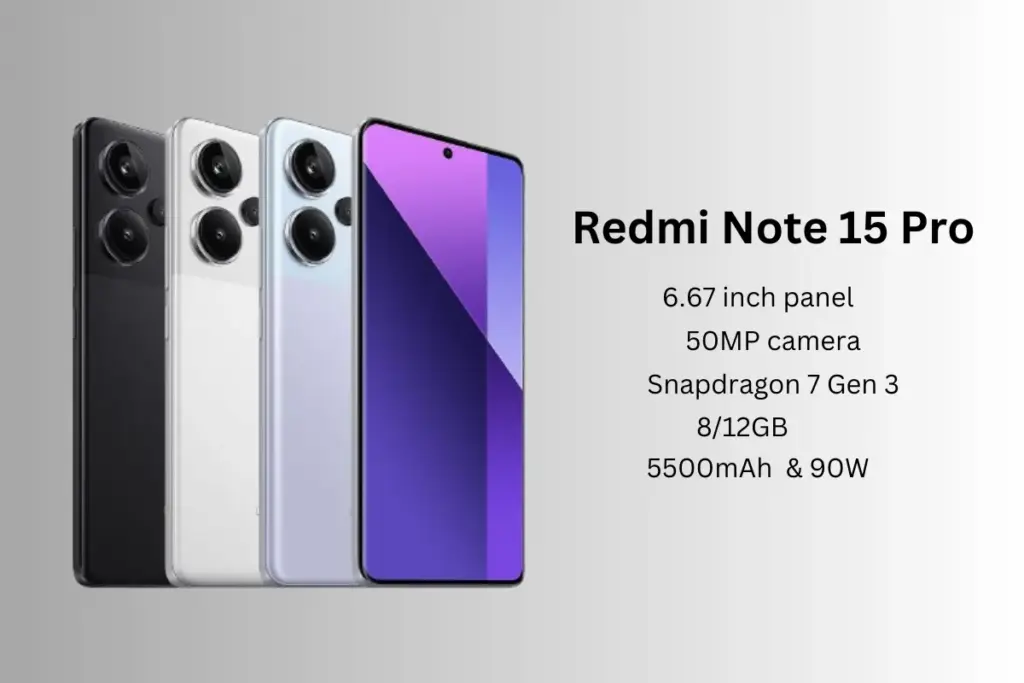
    Beginning with an unexpected soft launch in Poland, the Redmi Note 15 series has been formally released to international markets. This new selection advances Xiaomi’s objective of bolstering its mid-range portfolio by bringing significant improvements in display quality, battery life, and camera capabilities. The series’ models, which debuted in China in August of last year, are now available to consumers worldwide with competitive price and a refined feature set.

    Redmi Note 15 series

    Pricing and availability

    Both LTE and 5G models of the Redmi Note 15 family will be available in Poland, and shipping will start in a week. This makes it one of the series’ first international releases this season. The prices shown below have been converted to USD for better comparison, however bear in mind that they are local Polish listings:

    ModelPoland PriceApprox. USD
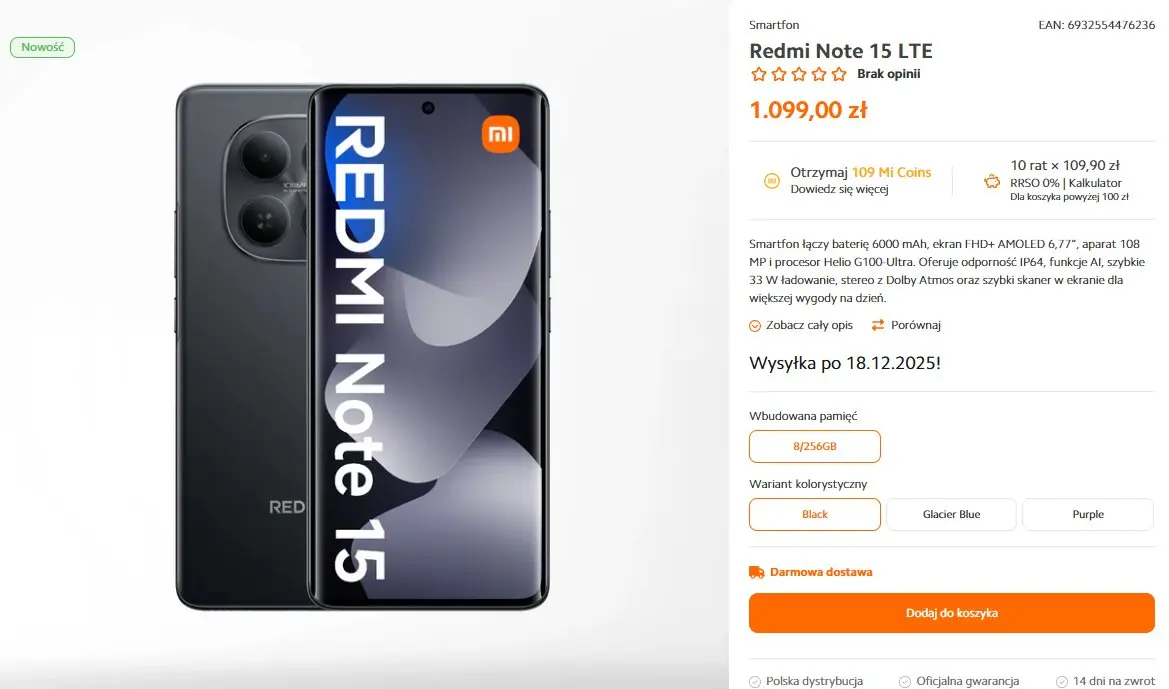
    Redmi Note 15 LTE1,099 PLN~$290
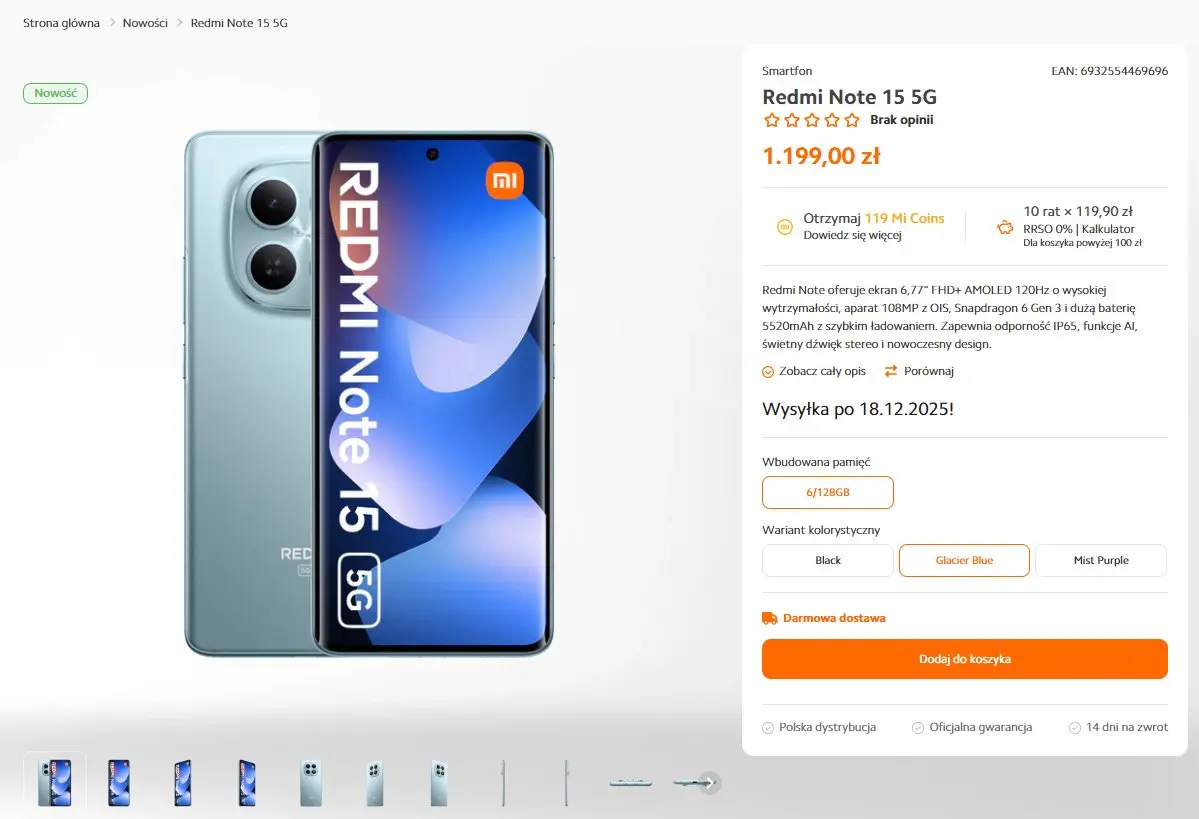
    Redmi Note 15 5G1,199 PLN~$315
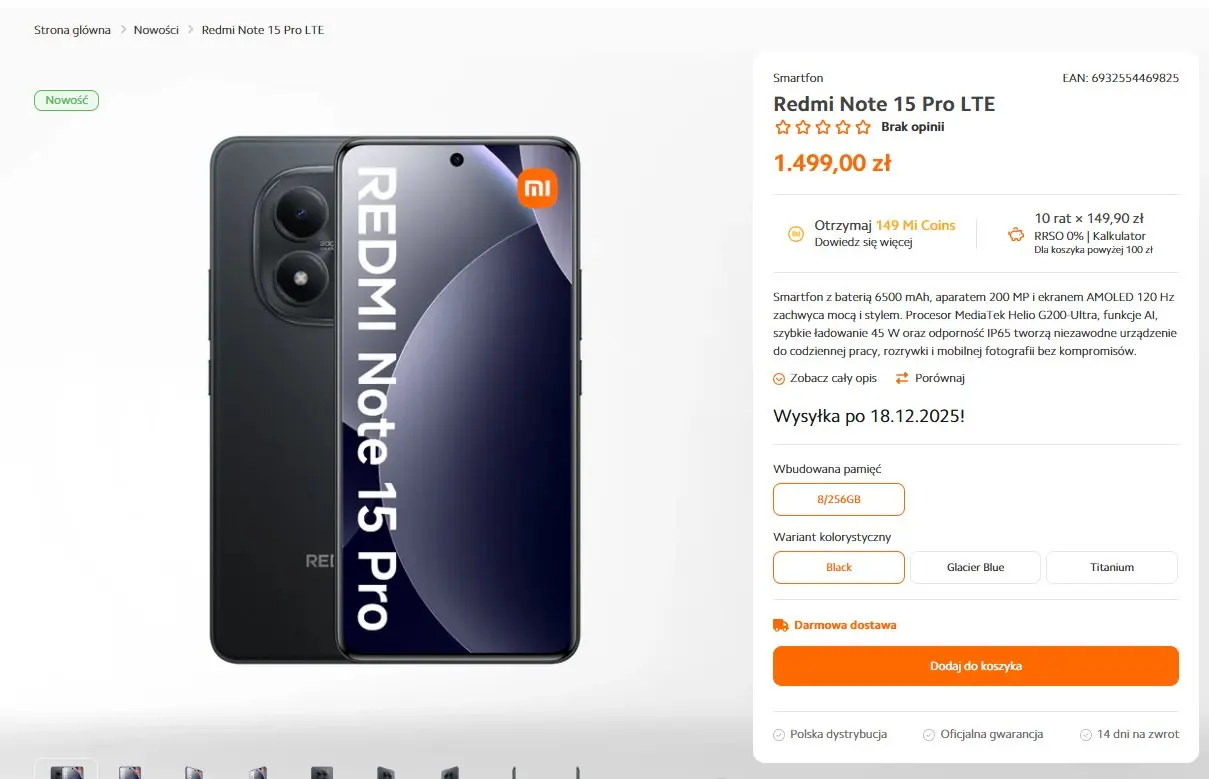
    Redmi Note 15 Pro LTE1,499 PLN~$395
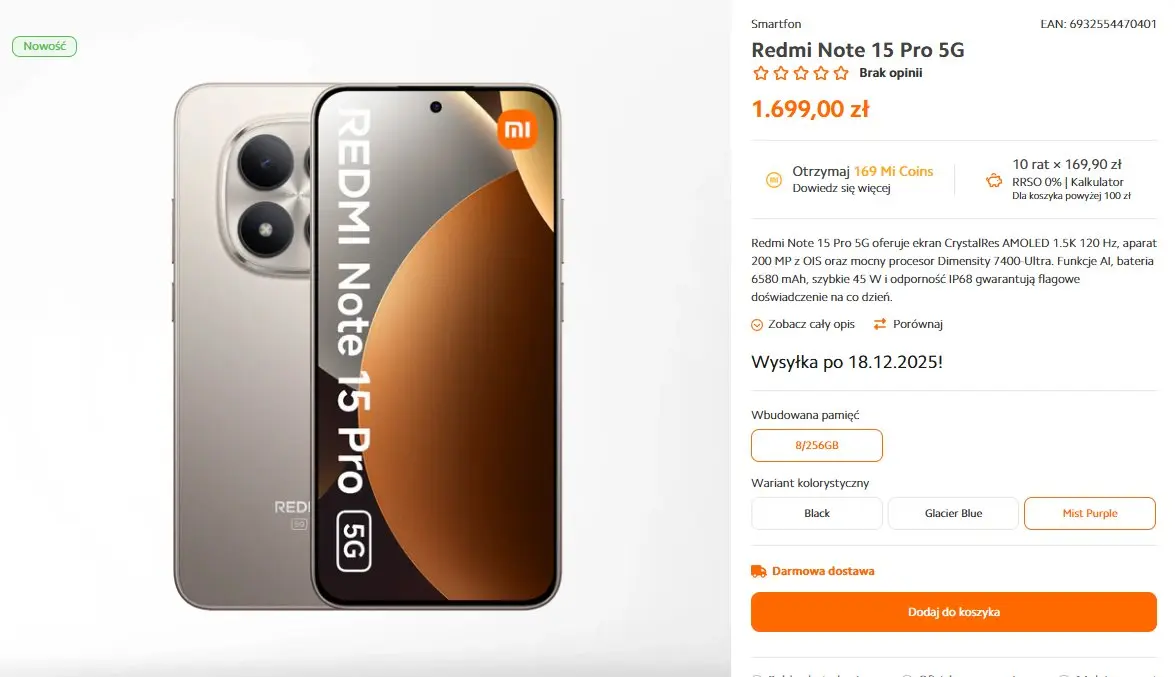
    Redmi Note 15 Pro 5G1,699 PLN~$445
    Redmi Note 15 Pro+ 5G (8/256 GB)1,999 PLN~$520
    Redmi Note 15 Pro+ 5G (12/256 GB)2,299 PLN~$600

    For buyers seeking a robust media performance and extended battery life without going above flagship costs, the Redmi Note 15 series’ pricing puts it in a balanced position.

    Specs

    The Redmi Note 15 lineup’s chipset options are further divided by the various connectivity configurations. To maximize thermal stability and performance efficiency, Xiaomi keeps dividing its LTE and 5G models along CPU family lines.

    A thorough comparison of the four primary models can be found below:

    FeatureRedmi Note 15 LTERedmi Note 15 5GRedmi Note 15 Pro LTERedmi Note 15 Pro 5G
    ProcessorHelio G100-UltraSnapdragon 6 Gen 3Helio G200-UltraDimensity 7400-Ultra
    Main Camera108 MP108 MP (OIS)200 MP200 MP (OIS)
    Battery6000 mAh5520 mAh6500 mAh6580 mAh
    Charging33WFast Charging45W45W
    Display6.77″ FHD+ AMOLED6.77″ FHD+ AMOLED 120HzAMOLED 120Hz1.5K CrystalRes AMOLED 120Hz
    IP RatingIP64IP65IP65IP68

    Starting with the Pro 5G model’s 1.5K CrystalRes AMOLED panel, it significantly improves display and camera capability. Additionally, compared to earlier Redmi Note generations, there is more pixel density and improved color accuracy. Simultaneously, the Pro models’ 200 MP OIS cameras provide smoother video capture and improved quality in night pictures.

    With lineups ranging from 5520 mAh to 6580 mAh for prolonged everyday use, Xiaomi maintains its battery-focused strategy. The Pro versions strike a solid mix between battery health and recharging speed with their 45W rapid charging.

    Xiaomi’s consistent progress into the mid-range market is embodied in the new Redmi Note 15 series. The series is expected to generate a lot of attention worldwide, especially through channels like Google Discover and local online merchants, thanks to its enhanced screens, large batteries, and potent high-resolution cameras. These are expected to be among the most feature-rich and accessible in their class when shipments begin next week.

  • This hidden Pixel feature can significantly boost battery life

    This hidden Pixel feature can significantly boost battery life

    Is this the end of battery issues on Pixel smartphones? The November update includes a power‑saving mode that employs the always‑on display to conserve energy, providing greater screen time for navigation and daily use. Here’s how it works.

    Compared to other competing smartphones, Pixel handsets are not known for having the best battery life. However, Google has progressively added intelligent features over the years to help stretch screen time. The most recent is a new Google Maps power-saving function that was added with the November update and is currently being made available to more Pixel 10 owners.

    How to save battery while using Google Maps

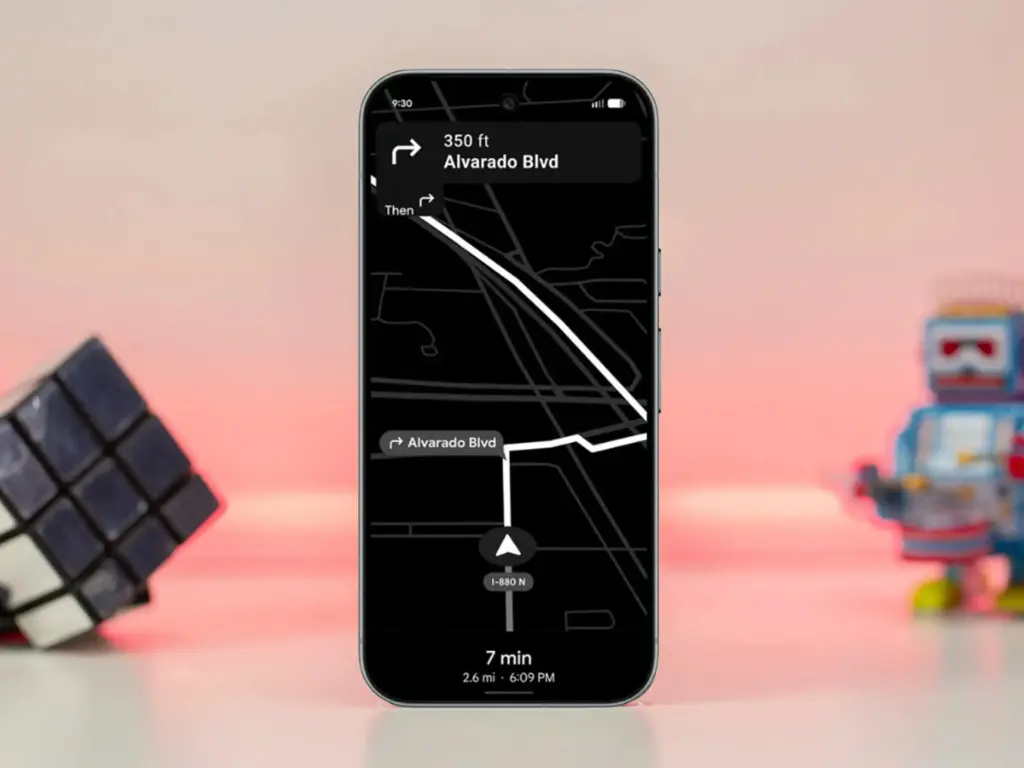
    The addition, as its name suggests, offers a power saver mode to Google Maps. In theory, it makes use of the Pixel 10’s always-on display when navigating. This saves battery compared to fully utilizing the normal OLED panel, since most elements transition to black and white with inactive pixels switched off.

    In addition, the mode lowers the screen refresh rate and brightness to further preserve power. Some UI components and metrics in Google Maps won’t be available when enabled, and only portrait orientation is supported.

    Google Maps Power Saver: how to turn it on

    If the feature is accessible on your Pixel 10 or Pixel 10 Pro, you’ll see a pop‑up card pointing you to the option in driving settings. Alternatively, you may manually activate it by going into Maps settings and finding it under driving choices.

    It’s unclear why Google is limiting the feature to the Pixel 10 series, especially given earlier versions like the Pixel 9 and Pixel 9 Pro use the same LTPO OLED displays. However, it’s feasible that Google will increase support later on.

    Google is also working on another battery‑saving feature for Pixel and Android devices: a smarter always‑on display that automatically shuts off when the device isn’t in use or after a specified duration.

  • Huawei Mate 70 Air’s Battery Outperforms Galaxy S25 Edge and iPhone Air

    Huawei Mate 70 Air’s Battery Outperforms Galaxy S25 Edge and iPhone Air

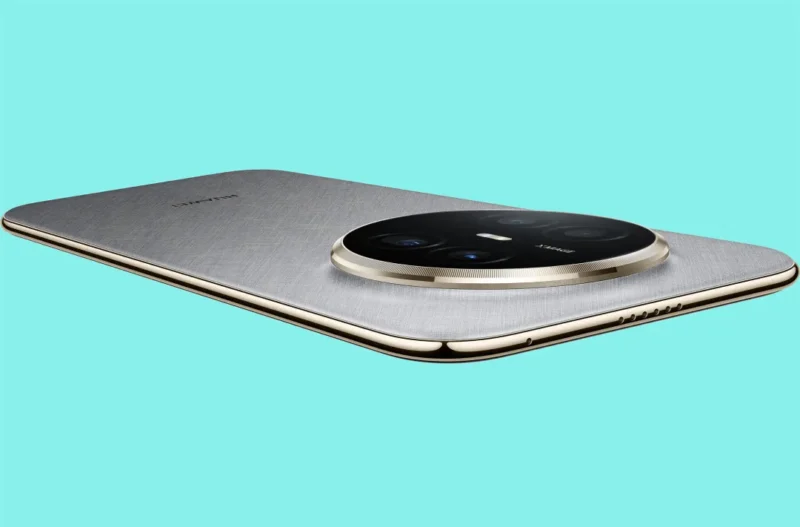
    In the battery war, the Huawei Mate 70 Air has defeated the iPhone Air and the Galaxy S25 Edge. The gadget has performed exceptionally well in the area where most brands attempt to make compromises in favor of appearance, although it may be a few millimeters behind in the battle for slimness.

    One of the device’s most crucial components is the battery. If it’s a decent one, you won’t have to worry about using a charger for a few days. However, a low-density cell hinders your enjoyment in addition to using more power.

    Samsung and Apple devices have excellent features and specifications. However, the battery life is something that these firms are continuously working to improve.

    Huawei Mate 70 Air comes with a huge battery

    Huawei Mate 70 Air’s Battery Outperforms Galaxy S25 Edge and iPhone Air

    Apple and Samsung are unable to incorporate a higher-density battery into their top phones despite no technological limitations. The batteries of phones such as the Galaxy S25 Ultra and the iPhone 17 Pro Max are 5000mAh and 4823mAh, respectively.

    Therefore, it is unrealistic to expect these brands’ thin gadgets to have larger battery capacities. Slimness frequently results in less space for the device’s internal parameters.

    Therefore, in order to achieve that ideal tiny profile, tech manufacturers must either reduce the battery capacity or other specifications like camera sensors and more.

    It’s interesting to note that the Huawei Mate 70 Air has demonstrated to the manufacturers of the iPhone and Galaxy that a handset can still have a huge battery while still maintaining its thin form.

    A 6500mAh ultra-thin silicon-carbon anode battery powers the Mate 70 Air’s remarkable battery life. Additionally, it offers a 66W fast cable charger that quickly charges the tablet without interfering with your video or gaming.

    As a result, the Huawei Mate 70 Air smartphone offers flagship-quality battery life in addition to a fully functional experience. You can choose between a thin model with a full power pack or one that is only skinny.

  • OnePlus Ace 6T leaks reveal Snapdragon 8 Gen 5 power and huge 8,000mAh+ battery

    OnePlus Ace 6T leaks reveal Snapdragon 8 Gen 5 power and huge 8,000mAh+ battery

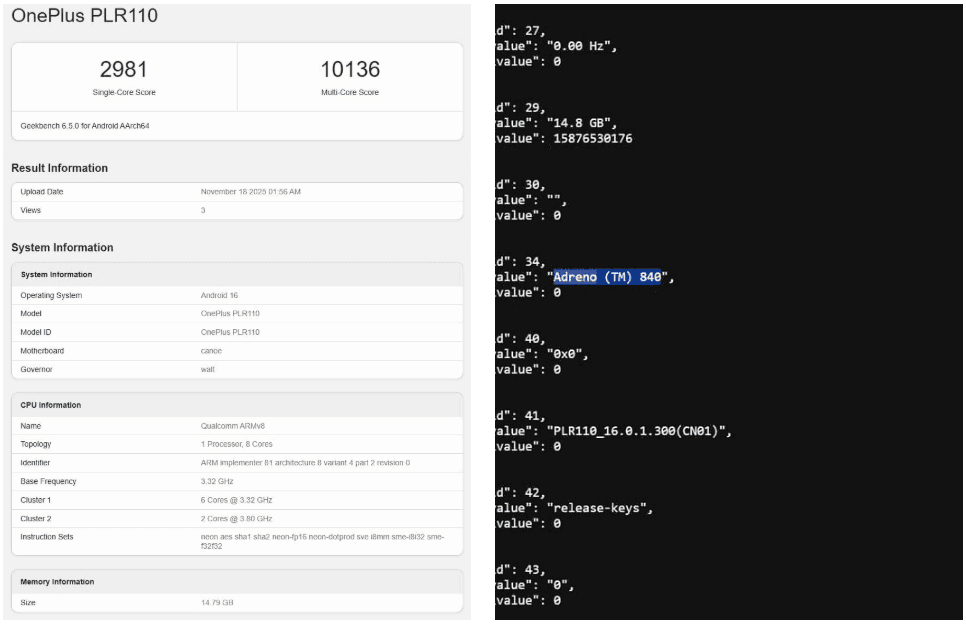
    Pre-orders for the OnePlus Ace 6T are already open as the company prepares to introduce it in China. It is anticipated to make its debut later this month as the first phone to use the upcoming Snapdragon 8 Gen 5 CPU. The device has surfaced on Geekbench ahead of the anticipated debut, disclosing the chipset’s specs. The device’s battery size has also been hinted to by the business.

    OnePlus Ace 6T Geekbench score

    According to the listing above, a new Qualcomm CPU powers the next OnePlus PLR110 phone, which looks to be the OnePlus Ace 6T. The SoC has two 3.2GHz cores and six 3.38GHz cores. Additionally, it has an Adreno 840 GPU for graphics. The Snapdragon 8 Gen 5, which is anticipated to make its debut in the coming days, is the subject of these details.

    OnePlus Ace 6T Geekbench listing

    It also boasts 16GB of RAM and Android 16, according to the OnePlus Ace 6T Geekbench listing. It received 10,136 points in the multi-core test and 2,981 points in the single-core test.

    OnePlus Ace 6T’s battery size teased

    According to the ad above, the OnePlus Ace 6T can support 100W fast charging and has a battery capacity of about 8,000mAh. The gadget includes a 6.8-inch OLED 1.5K 165Hz screen with an ultrasonic in-screen fingerprint sensor, according to some reports. It is anticipated to come with up to 1TB of UFS 4.1 storage and up to 16GB of LPDDR5x Ultra RAM.

    OnePlus Ace 6T hero banner

    An 8-megapixel ultra-wide lens and a 50-megapixel primary camera with OIS assistance will make up its rear camera arrangement. It will sport a 32-megapixel camera on the front for taking selfies. It will come in a variety of colors, including purple, green, black, and a unique variant inspired by Genshin Impact.

  • Is fast charging bad for your smartphone battery? Expert breakdown

    Is fast charging bad for your smartphone battery? Expert breakdown

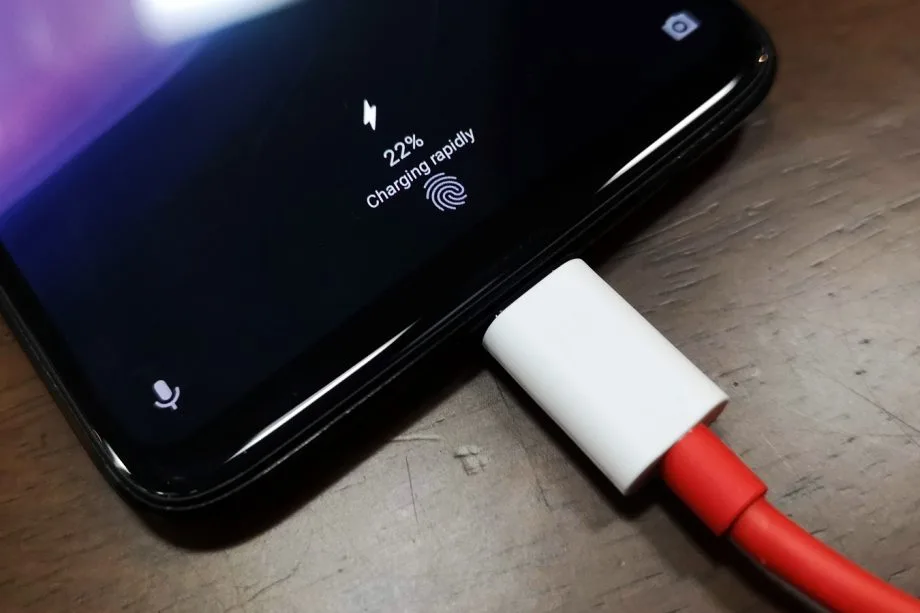
    30 minutes to fully charge the battery? A growing number of cellphones can be fully charged in less than an hour. Does this rapid charging, however, harm the battery? This has been examined in an experiment, which yields an unexpected result.

    30 minutes to fully charge the battery? A growing number of cellphones can be fully charged in less than an hour. Does this rapid charging, however, harm the battery? This has been examined in an experiment, which yields an unexpected result.

    A Chinese do-it-yourself team called HTX Studio looked into this precise subject. After purchasing ten identical iPhones and ten Android devices, the do-it-yourselfers split them up into groups. A fast-charging power supply unit was used to charge one group, while a slow charger was used for the other. We finally have a response after 500 full charges and six months.

    fast charging bad for your smartphone battery

    How did they do it?

    Two groups of iPhones were created. Apple’s 40-watt power supply was used to charge three gadgets, while the outdated 5-watt power supply was used for the remaining three. To ascertain the typical aging of the battery over time, a second iPhone was left completely uncharged as a control group.

    For the Android cellphones, the configuration was the same. The iQOO7, which is unavailable in this nation, was utilized twice: once with 18 watts and once with the maximum power of 120 watts.

    The smartphones are fully charged by self-programmed software, which then uses up the battery once again until it is only five percent. After that, the charging procedure resumes. In this way, 500 charging cycles were carried out over a few months.

    Is fast charging bad for your phone’s battery?

    The enthusiasts looked at the batteries both before and after the experiment. This is due to the fact that not all smartphones have the same battery capacity when they are manufactured. There may be slight variations of less than one percent. The batteries were inspected once more after 500 cycles, and the amount of capacity they had lost was calculated:

    • iPhone (slow charge): 11.8%
    • iPhone (fast charge): 12.3%
    • Android (slow charge): 8.8%
    • Android (fast charge): 8.5%

    The outcomes are unexpected. Faster charging caused the batteries in iPhones to lose 0.5 percent of their capacity, but the batteries in Android cellphones even lost 0.3 percent. Only in a lab can these variations be quantified. Therefore, the service life of your battery is essentially unaffected by fast charging.

    How to take care of your battery

    For the longest potential service life, batteries should be kept between 30 and 80 percent charged, according to another battery myth. For mobile cellphones, some manufacturers even include an 80 percent charge cap.

    In order to test this notion, the Baster team charged another set of cellphones to 80% capacity before draining the battery to 30%. The experiment was repeated 1000 times because this was only half of a charging cycle.

    • iPhone (30-80 percent): 8.3%
    • Android (30-80 percent): 6.0%

    Therefore, you are actually doing your smartphone’s battery a favor if you never charge it to more than 80%. However, the difference in day-to-day living is negligible even here. Therefore, the experiment demonstrates that you should just charge your smartphone whenever it is most convenient for you rather to spending a lot of time and effort doing so.

  • Redmi is testing smartphone with massive 10,000mAh battery

    Redmi is testing smartphone with massive 10,000mAh battery

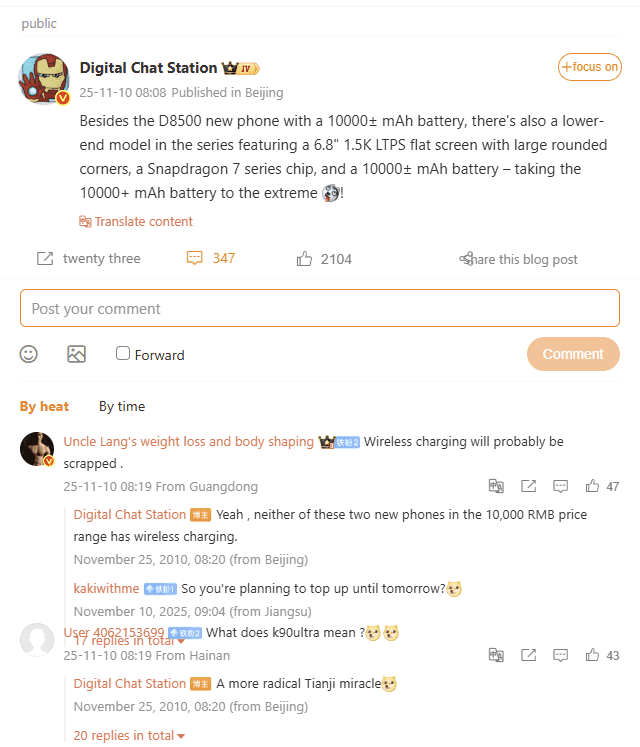
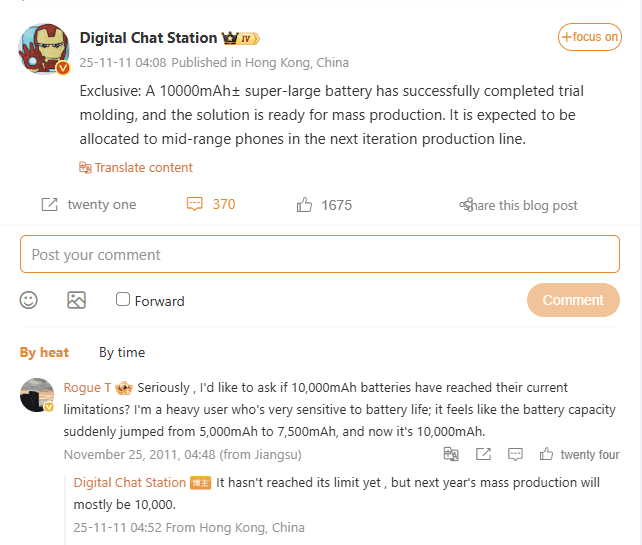
    Xiaomi May Rethink Mid-Range Battery RegulationsChinese manufacturers are working to overcome the barrier beyond 7,000mAh and 8,000mAh batteries as smartphone battery technology continues to advance. According to reputable industry sources and well-known leakster @DigitalChatStation, the trial molding process has been completed, and the new 10,000mAh± battery is about to go into mass production. Xiaomi and Redmi are probably going to include this innovative battery into one of their upcoming mid-range phones.

    In its products, Xiaomi has always placed a strong emphasis on battery life and energy efficiency. Therefore, the creation of a 10,000mAh-class battery is a significant step toward the realization of smartphones with longer battery lives, which is one feature that consumers are very excited to see improved in smartphones. It is expected that a Redmi device will use the technology.

    10,000mAh battery leak redmi

    Since fitting a battery with a 10,000mAh capacity is technically difficult in terms of weight and thermals, this development demonstrates Xiaomi’s determination to balance capacity and design usability.

    Two smartphones will have 10,000mAh± batteries, according to DigitalChatStation. One of the devices has a Dimensity 8500 processor, while another has a 6.8-inch 1.5K LTPS flat display with a Snapdragon 7 series processor. Although these models have not yet been confirmed, it has been speculated that one may be from Xiaomi’s Redmi series because it may be intended to be a “Ultra Battery” variant.

    Surprisingly, though, neither gadget will support wireless charging. This guarantees that the devices’ long battery life and reasonable cost will maintain their success in the mid-range market.

    10,000mAh battery lead redmi device

    A significant shift in the industry began with the release of smartphones with five-digit battery capacities. In the past, only rugged cellphones and power banks have such capabilities. With Xiaomi’s arrival into this market, battery capacity with such proportions may become more common, providing the business with yet another reason to rank among the top in terms of battery life. Xiaomi will undoubtedly have a significant advantage over its rivals because to this technology.

    Additionally, users would be able to benefit from unparalleled standby times and all-day intensive use without recharging because to HyperOS’s optimization of background operations and hardware resources.

  • Pixel Watch 4: battery life takes center stage

    Pixel Watch 4: battery life takes center stage

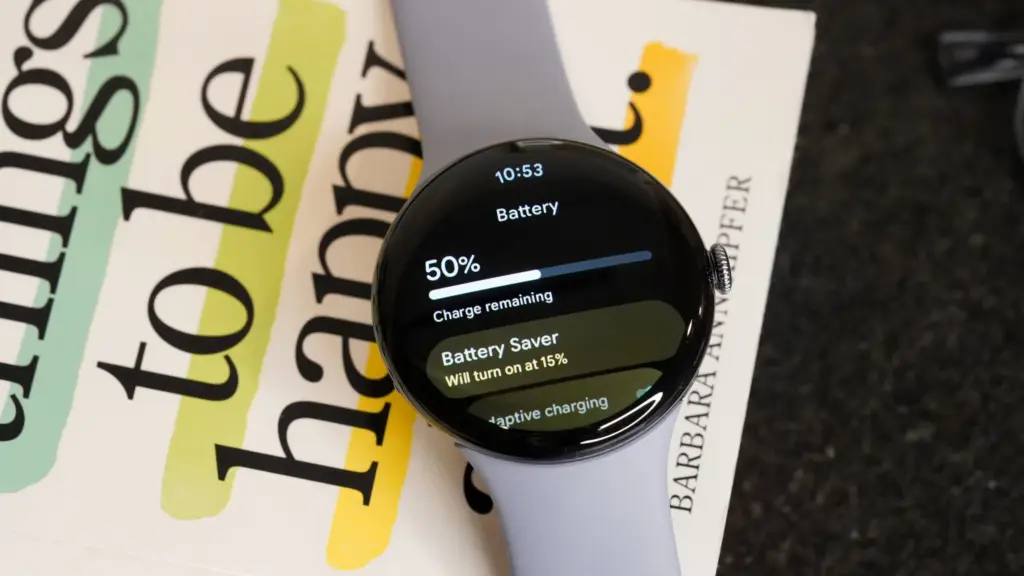
    The battery life would be the main justification for purchasing a Pixel Watch 4. Yes, this device has many useful features, but since I reviewed it, the battery life has improved, and I’ve seen a lot of positive reviews for Google’s newest wristwatch.

    Referring back to my evaluation from early October, I found that the Pixel Watch 4‘s battery life (on the 45mm variant) was as good as Google had promised, with some days being shockingly long. Thus, we’re talking about using the always-on display for around 40 hours and turning it off for about 48 hours. However, there were a few crazy days when I used the watch extensively—5.5 hours of exercise and complete sleep tracking—and it lasted more than 48 hours.

    pixel watch 4 battery

    As I said in my review, the moment I switched on the “Raise to talk” feature, which activates Gemini, the battery life dropped from that high. I subsequently reduced the sensitivity significantly before turning it off entirely. Both of those have been beneficial. I’m not sure if I’m back to that degree of battery madness, but I’ve noticed that I think about battery life far less and that the watch is on the charger much less frequently each week.

    Google Pixel Watch 4

    The Google Pixel Watch 4 is a stunning display of precision craftsmanship, with Gemini, your built-in AI assistant, Google’s longest-lasting battery, and comprehensive tools for next-level health and fitness performance

    $399.99Amazon

    I’m not by myself either. A user displayed a 76% battery left status in a Reddit discussion after 16 hours without a charger and with AOD activated. Some were dubious, but after looking at my own stats in the last few weeks, I think it’s true. In same discussion, another user attested to the fact that their usage was either comparable to or significantly less than that of the Pixel Watch 3.

    One user described battery life as “amazing” in another discussion before praising the excellent charging conditions. I also discussed that in my review. Compared to earlier Pixel Watch versions, nearly all of which took more than an hour to fully charge, I was able to charge from 20% to 100% in about 40 minutes. According to a different Redditor, they tested the charger twice between 0 and 100% and essentially reached the 40-minute threshold. Additionally, the innovative magnetic charger transforms your tiny watch into a little desk or bedside clock and is incredibly easy to use.