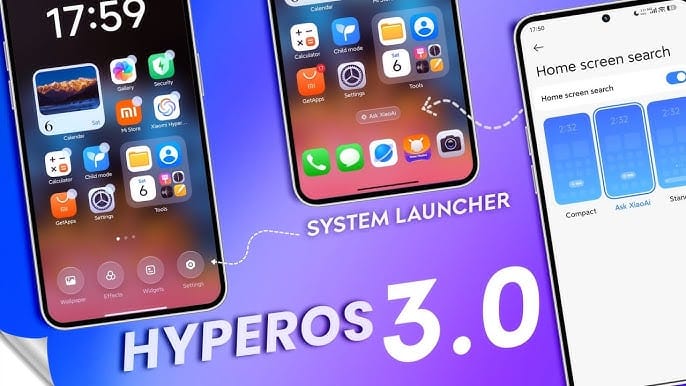
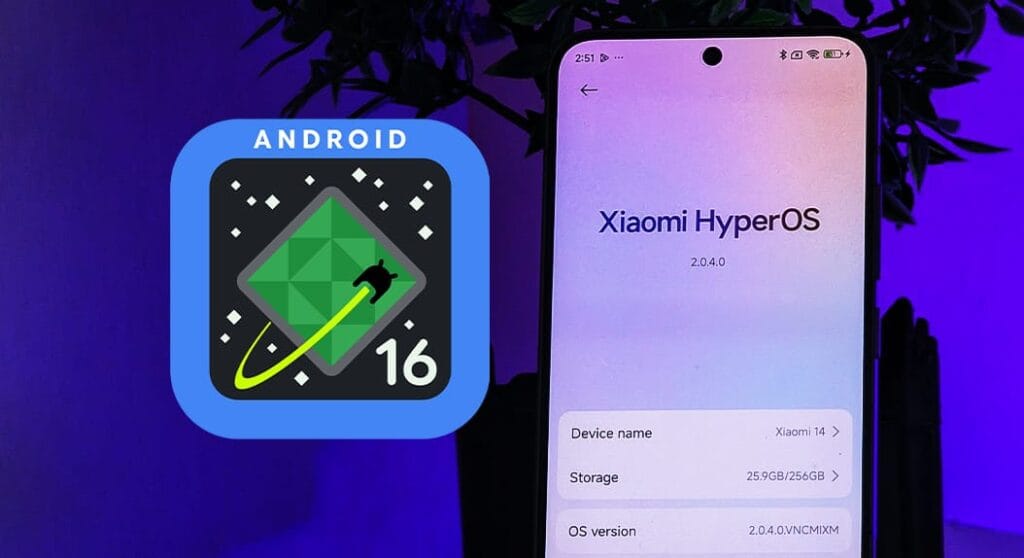
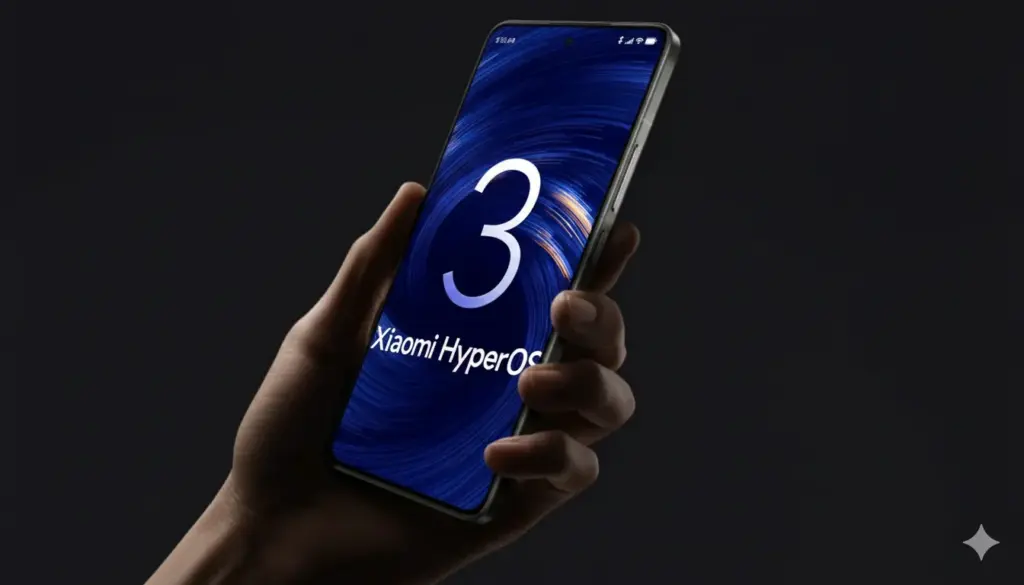
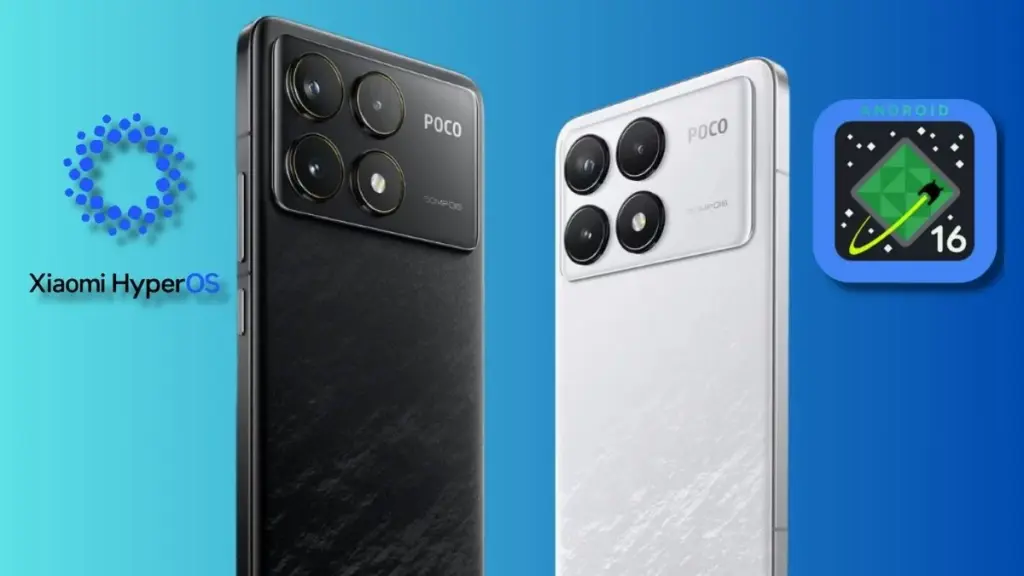
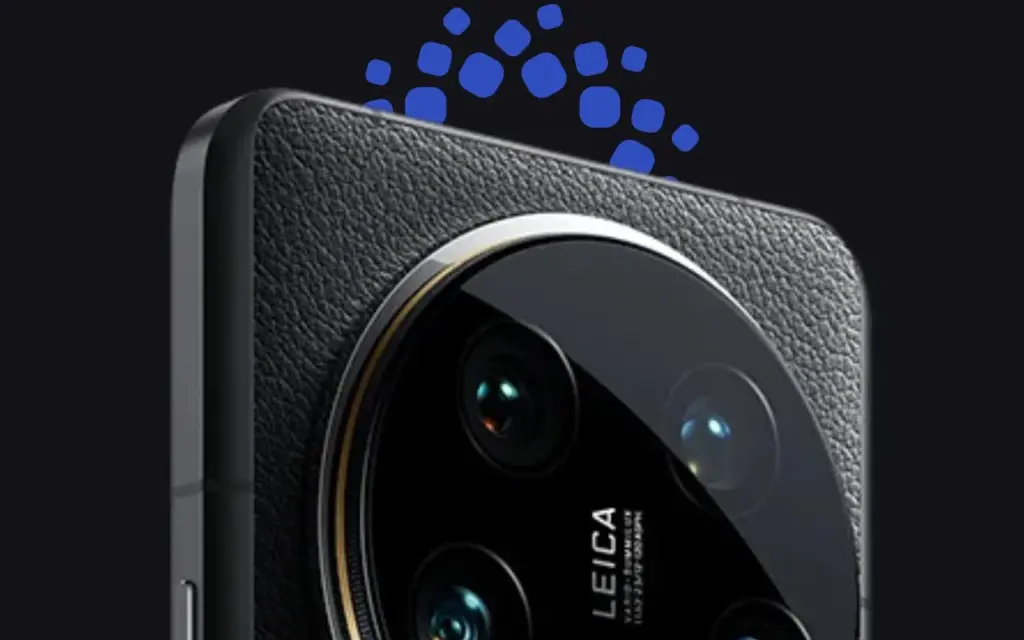
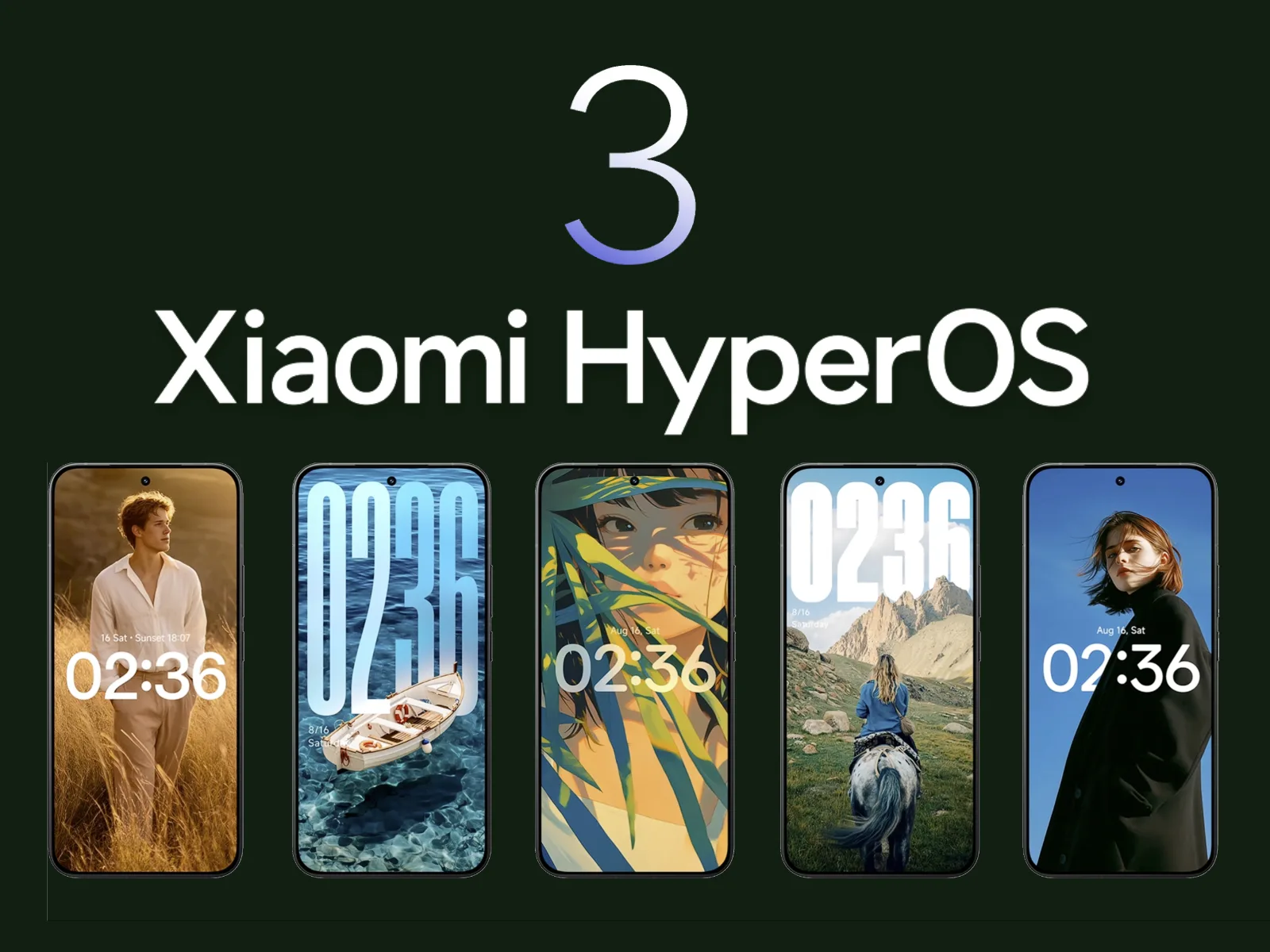
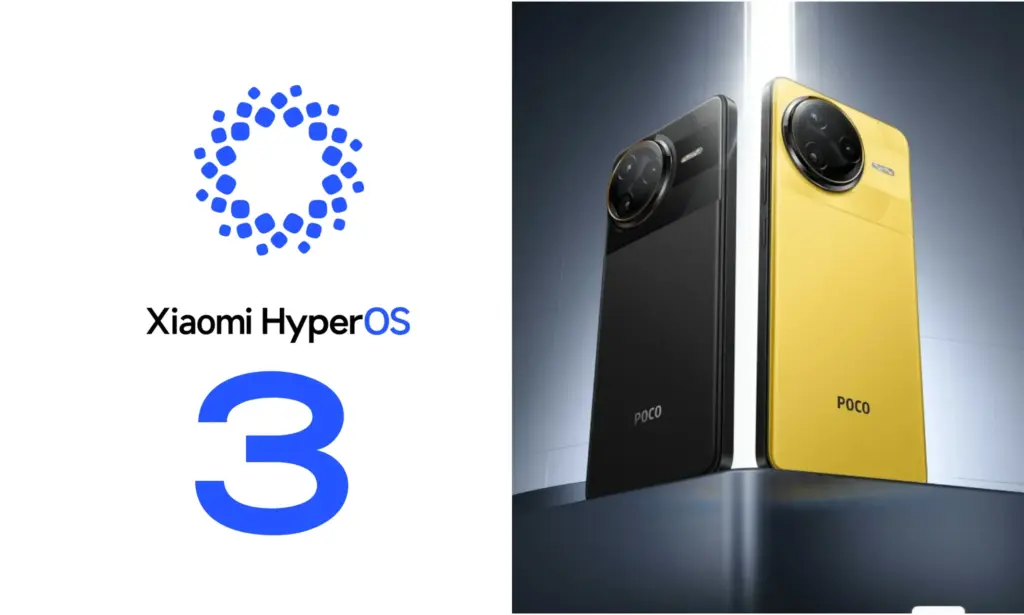
As December 2025 draws to a close, Xiaomi plans to release HyperOS 3.0 stable for roughly 25 devices before entering 2026. Additionally, if you haven’t received the latest update, make sure your phone is on this list.
In addition to releasing its next-generation Ultra flagship, Xiaomi has hinted at a stable HyperOS 3.0 rollout for 25 devices by 2026.
Indeed, by the end of this month, several of the top-notch Xiaomi, Redmi, and POCO devices will receive updated software. All of the models that are presently using beta builds are prepared for a widespread rollout.
Some phones were listed as “ready to release” on the company’s main server. That most likely indicates that Xiaomi is prepared to provide the updated version for its phones that were left out.
However, it’s important to note that not every device will receive the HyperOS release based on Android 16. Only Android 15 OS upgrades are available for some of them. For example, the Android 15 version will be available for the Redmi K60 and Xiaomi Pad 6 series.
Below, you can see every device that qualifies for this month’s HyperOS 3.0 stable upgrade.
These 25 Xiaomi devices are getting stable HyperOS 3 this month
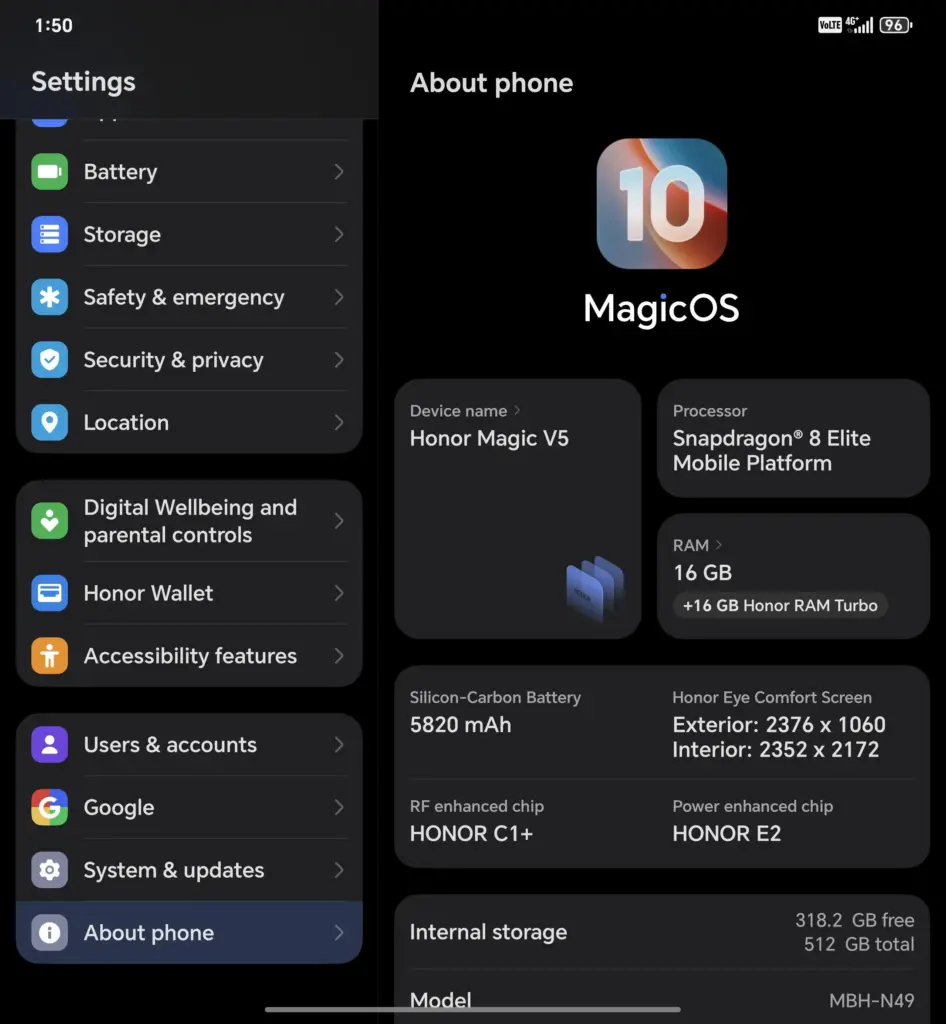
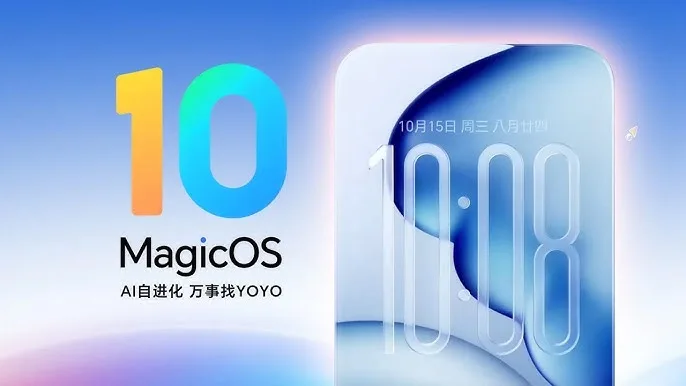
The MagicOS 10 internal beta program for qualified devices is still being expanded by Honor, and it is currently in its sixth phase. The new beta testing recruiting for additional compatible models has been formally announced by the corporation.
The MagicOS 10 Beta sixth phase and its compatible devices were just announced by Feng, the Gaming R&D Engineer at Honor. This year’s X70 smartphone and the former sub-flagship Honor 200 are among the seven phones on the list.
The CEO added that Honor is also working on adapting the new software version for other smartphones that were not included. The OEM might make the update available by the first quarter of the next year.
Honor made the testing portal available for beta testing till December 29. Each device in the nolog version has 1500 slots, compared to 500 in the log versions.
The MagicOS 9.0.0.200 baseline build number should be installed on your device. Verify that your model has enough storage capacity. Before starting the installation, we also advise making a backup of the data on your device.
Eligible Devices: MagicOS 10 Sixth Phase
Honor 200 Pro
Honor 200
Honor 100 Pro
Honor 100
Honor 90 GT
Honor Power
Honor X70
Open the My Honor app on your phone to register for the MagicOS 10 beta activity, which is based on Android 16. Choose the beta banner by tapping on the Me section. After completing the form, click the submit button. Await the review of your submission. You will get the results by email or SMS if you pass.
A significant update based on Android 16 was just released by Samsung for some Galaxy handsets. However, what is actually contained in this unexpected year-end update? These are all the exciting new features and improvements you can anticipate.
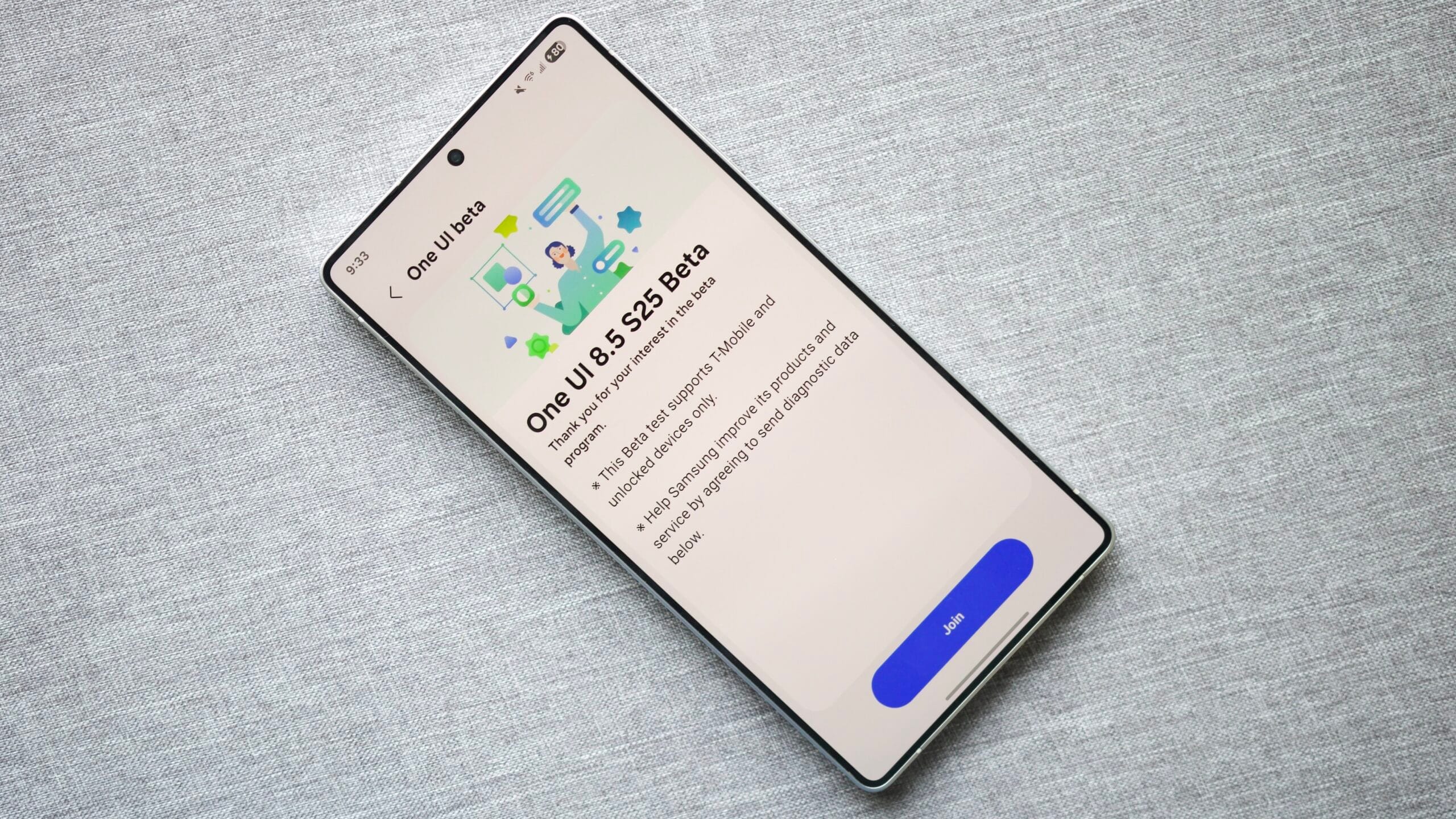
The frequency of Samsung’s software updates is rapidly increasing. The South Korean company has now launched the One UI 8.5 beta program, which is likewise based on Google’s release of Android 16 QPR2 for Pixel phones. The program now lists the Galaxy devices that can test the software, but the most of the major features were previously disclosed.
Which devices got One UI 8.5?
Samsung declared in an official press release that One UI 8.5 is compatible with the Galaxy S25, S25 Plus, and S25 Ultra; however, the S25 Edge is not part of the beta. Enrollment is restricted to a few areas; in the US, Germany, India, South Korea, Poland, and the UK, access is available via the Samsung Members app.
Through the app, users in those nations with compatible smartphones can sign up for the beta test. However, like with the introduction of One UI 8, participation is not guaranteed everywhere because spots may be limited.
Although the list is anticipated to be identical to that of the prior beta, Samsung has not yet disclosed which further Galaxy handsets would be qualified.
One UI 8.5 got some AI
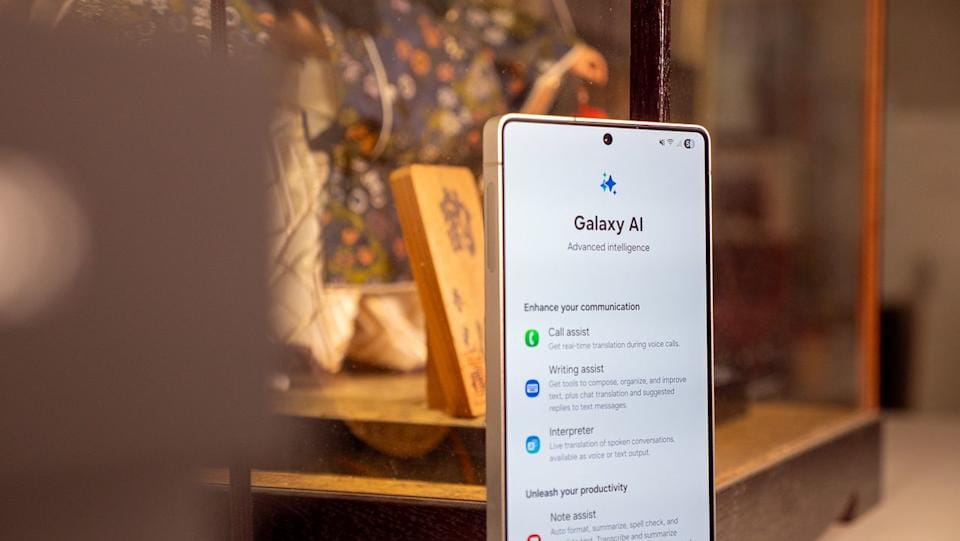
It seems that the features and modifications that were leaked last week are correct. The AI department has seen some significant improvements. Unlimited image creation, edit history, and ongoing edits are now supported by Photo Assist. Quick Share is now more intelligent, recommending contacts found in images for simpler sharing. While Social Composer may automatically create descriptions based on photos before sharing, Meeting Assistant offers real-time translation.
Additionally, Samsung has kept improving the user interface. In version 8.5, lock screen wallpapers are more dynamic and better adjust to other elements, and Quick Settings now has cleaner toggles for widgets and shortcuts. Security and privacy controls have also been simplified, with a more straightforward permission manager and simpler access to settings.
Samsung has incorporated some of Google’s built-in capabilities, such as Auracast broadcast support with LE-enabled headphones and speakers, because the update is based on Android 16 QPR2. The business might also offer expanded dark mode and redesigned app icons.
With HyperOS 3.0, Xiaomi is intensifying its efforts to offer Android 16. At last, older Xiaomi smartphone models are catching up. Is this the company’s most ambitious Android update cycle to date?
It is difficult to bring significant Android updates to the front row given Xiaomi’s extensive selection of Android devices. Android 16’s pace has improved somewhat since its skinned HyperOS 3 was released on a few models in August and September, with the global release scheduled for October. With more phones, especially older models, receiving a taste of fresh Android software, the business has now taken a bigger step before the year ends.
More Xiaomi Devices Get Android 16
Xiaomi just released HyperOS 3.0 on a number of smartphones in its own country. Among them are popular mid-range devices such as the Redmi Note 13 Pro (Plus), Redmi Note 14 Pro (Plus), and Redmi Note 15 Pro (Plus). It is strange that the Redmi Note 15 Pro was not included in the initial batch, given they were released in 2023, 2024, and 2025, respectively.
The Xiaomi 13 series, which includes the 13 Pro and 13 Ultra (review), is also covered in the release. The 13 Ultra was released a few months after the previous two, which made their premiere in the end of 2022. What does this imply for phones that are sold outside of China, then?
What Makes HyperOS 3.0 Worth the Wait?
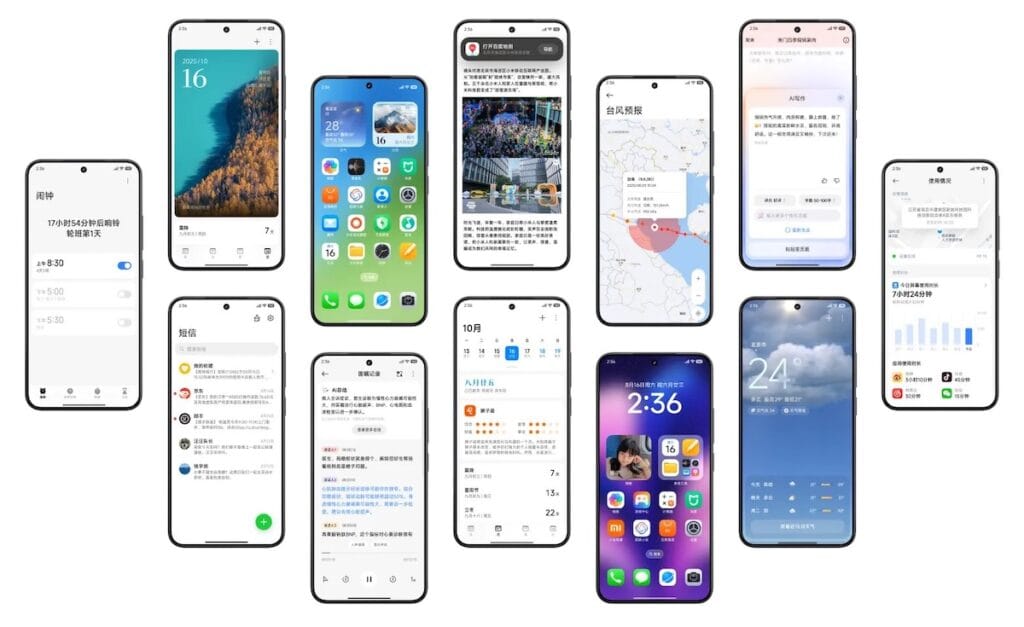
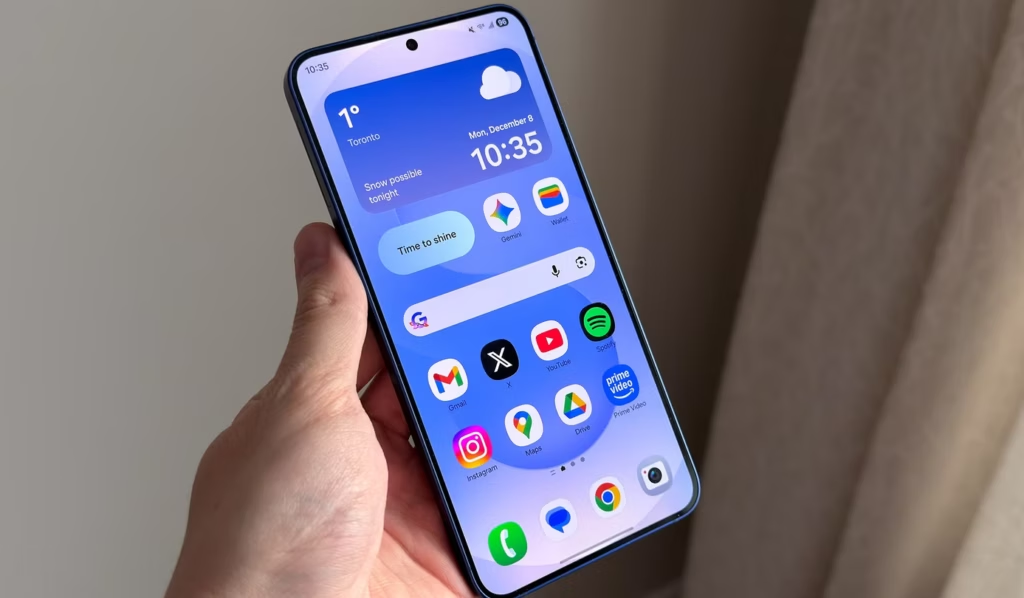
With multiple UI modifications, HyperOS 3.0 is a more exciting version than HyperOS 2.0. App icons and system text, as well as the home screen and quick settings, all have a more contemporary and tidy appearance. AI wallpapers and new styling are also added to the lock screen. The Super Island, which displays dynamic and live widgets using the notch, is a more noteworthy visual innovation.
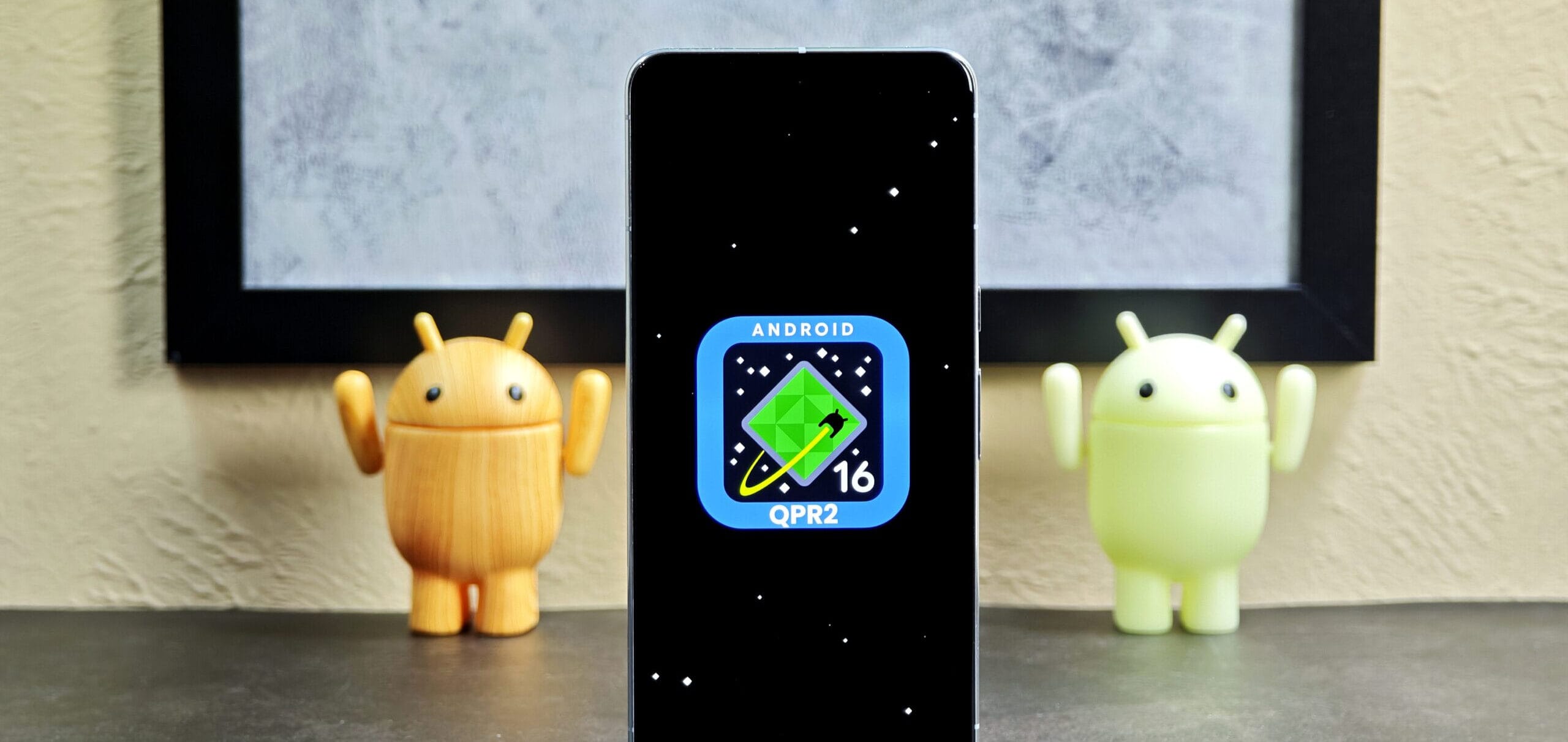
Your phone may be ready for an update as Google is releasing its Android 16 Quarterly Platform Release (QPR) 2.
Numerous new features that should enhance performance, usability, and other aspects are included in the Android 16 QPR2 release. Check out these three new features.
Lockscreen widgets
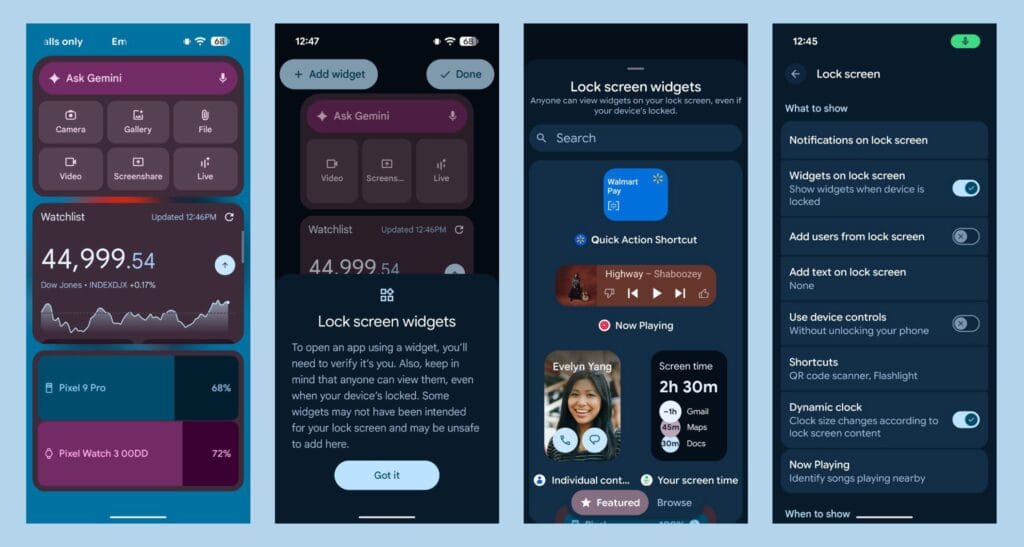
With the latest version of Android 16 QPR2, you can add widgets that show up when you swipe left on your lock screen. 9to5Google according to Google, you may activate the functionality by going to “Settings > Display & touch > Lock screen > Widgets on lock screen.” This implies that you will have easy access to your camera, calendar, and other devices.
Manage alerts with notification organizers and smart summaries
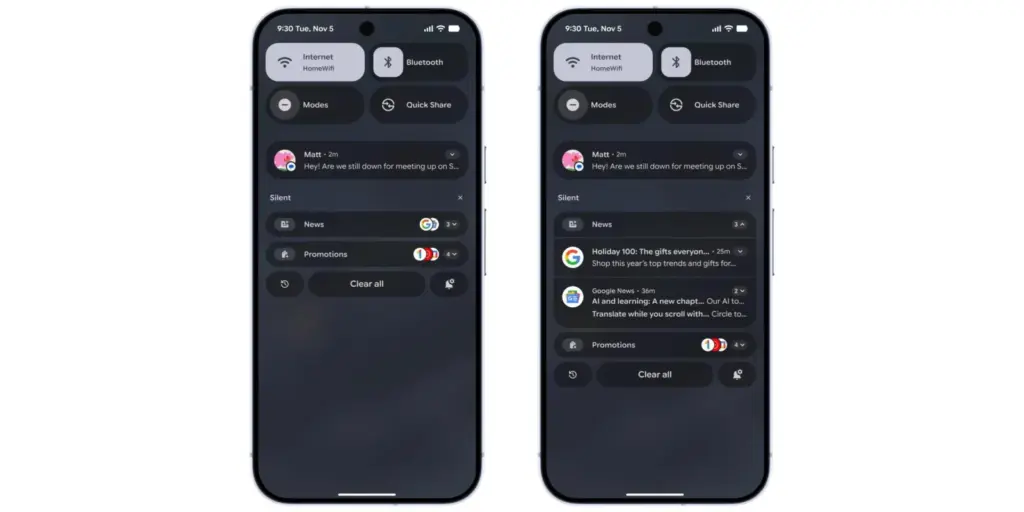
We all get overloaded with notifications, so pay attention. Android 16 QPR2 claims to use AI to control those annoying alerts. A lengthy message in a group chat, for example, will be summarized by the upgraded software, which will also automatically prioritize more significant notifications.
“Your lower-priority notifications (including news, promotions, and social alerts) are automatically grouped and silenced by Notification Organizer, which helps you focus on what really matters with fewer distractions. The notification organizer will be accessible in the upcoming weeks and is being released in phases, according to Google.
Improved parental controls
With Android 16 QPR2, parents may monitor their children’s devices from a single spot thanks to the “parental controls” option in settings. It will enable parents to regulate app usage, set screen time limits remotely, and schedule when a child’s device locks.
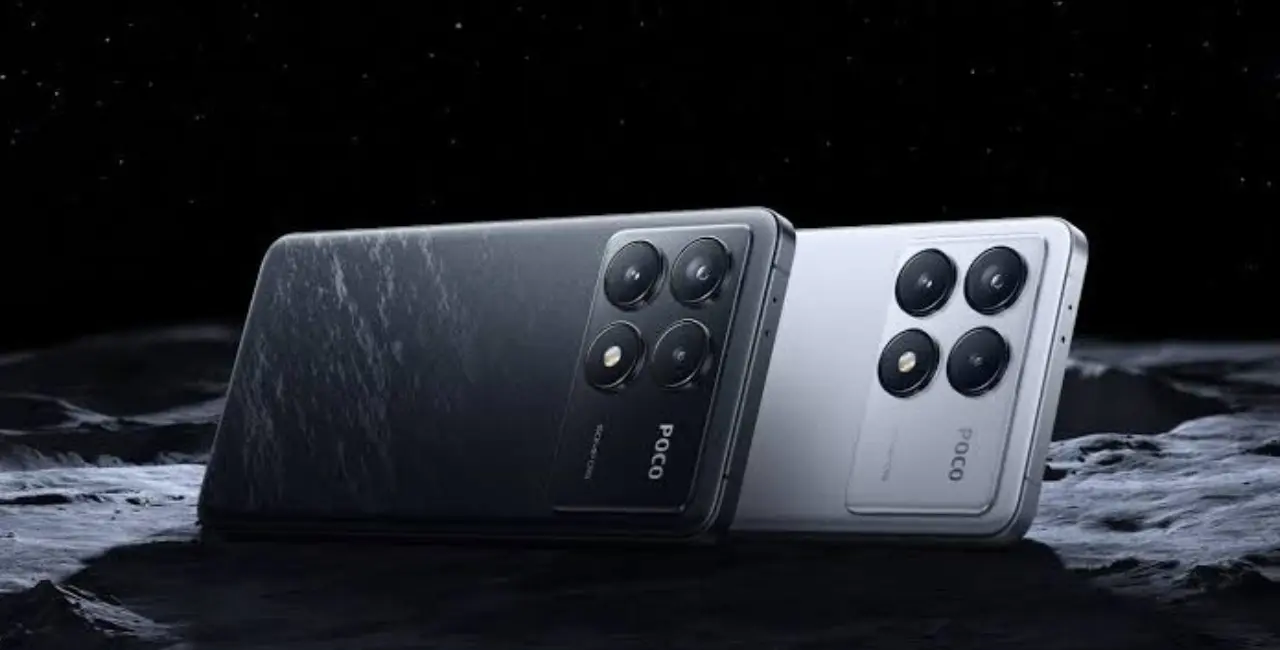
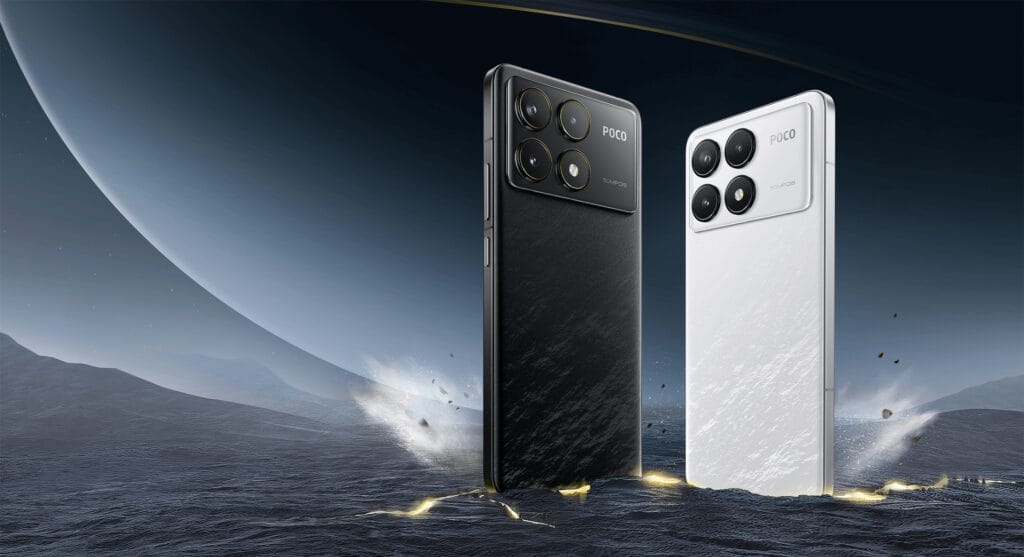
With the official release of the HyperOS 3 upgrade for the POCO F6 Pro, which is based on Android 16, Xiaomi’s worldwide flagship platform has undergone a significant software evolution. Smoother visual interactions, AI-level system enhancements, and performance stability for demanding users are the main goals of this update. The upgrade, which is presently accessible via the official Recovery ROM channel, validates Xiaomi’s long-term software plan for high-end POCO devices.
Poco F6 Pro receives HyperOS 3 based on Android 16
For the worldwide version of the device, which is internally connected to the Redmi K70 platform, a new firmware known as OS3.0.4.0.WNKMIXM has been made available. According to the update, POCO’s flagship lineup is in line with Xiaomi’s most recent system design and long-term Android policy. In everyday usage scenarios, such as gaming, multitasking, and professional workloads, HyperOS 3 is designed to provide more responsive animations, lower power consumption, and stronger system-level intelligence.
Tech details
The update strengthens system stability and modernizes the user interface while keeping a consistent business-grade experience.
Device codename: vermeer_global
Base system: Android 16
Build number: OS3.0.4.0.WNKMIXM
Distribution type: Recovery ROM
Region: Global (POCO F6 Pro / Redmi K70 platform)
What is new?
A more organized and effective visual language that prioritizes practical usability over ostentatious visual elements is introduced in HyperOS 3. While maintaining Android’s flexibility, Xiaomi has improved program icons, created a better notification hierarchy, and introduced a more seamless version of the iOS-style interaction experience. Super Island is a new feature that improves multitasking by enhancing the behavior of mini-widgets, background processes, and floating windows throughout the system.
Main updates
Users receive a balanced combination of performance, visual, and AI-level upgrades:
Advanced AI system optimizations for background tasks
Refreshed system icons with better visual clarity
iOS-style visual flow with improved gesture animations
Super Island for smarter floating windows and task continuity
Currently available through Recovery ROM, the HyperOS 3 upgrade is designed for POCO F6 Pro devices worldwide. By releasing this build in stages to guarantee long-term dependability, Xiaomi continues to uphold regional stability. Users are urged to stay away from unofficial downloads and adhere to Xiaomi’s official update policy.
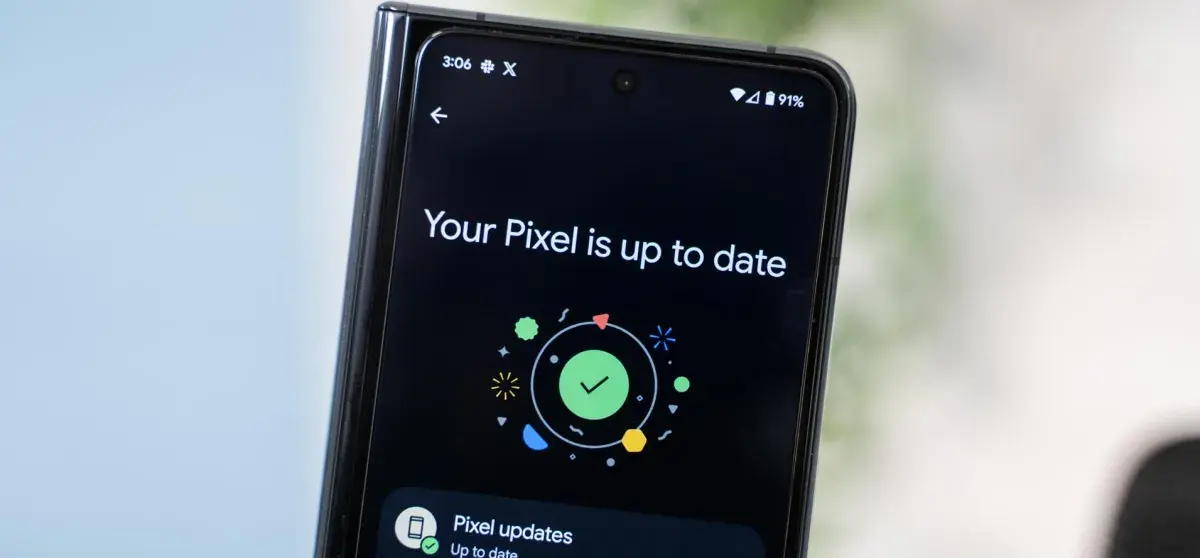
Android 16 QPR2 has made Google’s Pixel smartphones safer and smarter. Discover why you should get this update immediately, including new lock screen widgets, AI-powered notifications, and an essential security fix.
Google is finally releasing Android 16 QPR2 to compatible Pixel devices after much testing. Based on the most recent version of Android, this is the second quarterly release. It offers well-considered features and modifications, much like the initial release. More significantly, it contains the security update from December, which fixes a number of worrisome vulnerabilities.
The Pixel 10, Pixel 9, Pixel 8, Pixel 7, Pixel 6, Pixel Tablet, and Pixel Fold are all compatible with Android 16 QPR2. On my Pixel 9 Pro XL, the update is roughly 800 MB+ in size.
Improved screen customizations
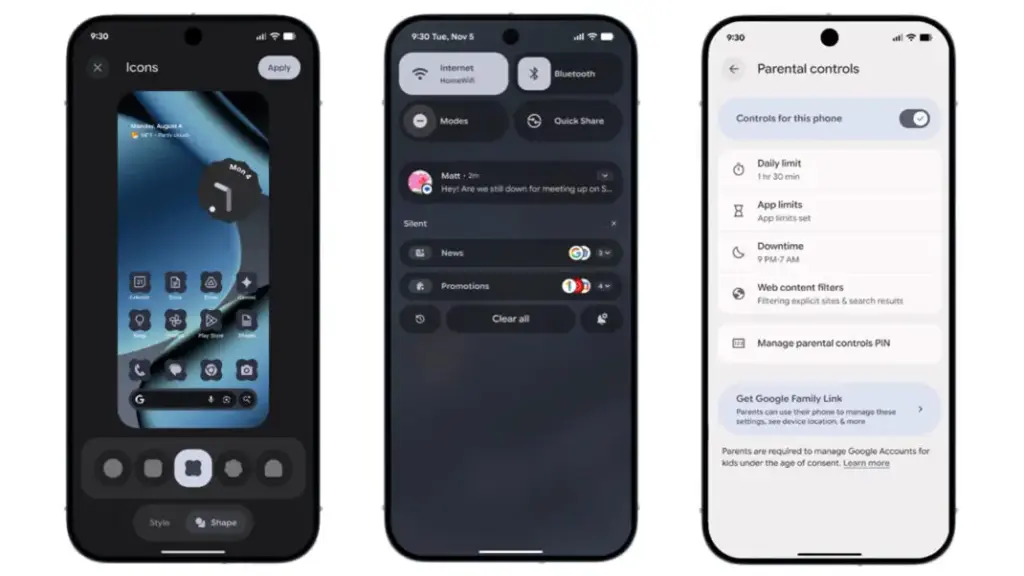
Google is still improving Android 16 QPR2’s user interface. Users may now add new shape options for app icons on the home screen, such as circle, squircle, four-sided cookie, seven-sided cookie, and arch.
Additionally, users of Pixel phones now add widgets to the lock screen—a function that was previously exclusive to tablets. Although there are fewer widgets and layouts than on the home screen, you can still access them by swiping left on the lock screen.
A new low-light setting for the screen saver, which turns on a dim clock in dull scenes to conserve battery life, is one of the other lock screen modifications. Furthermore, fingerprint scanning can now operate on a switched-off display without requiring the screen to be woken.
We highlighted in the beta the ability to minimize or eliminate blur effects in background components like the quick settings and alerts panel. All users can now utilize this functionality. For better accessibility, blur can be disabled under the Color and Motion area and replaced with plain color.
Expanded dark mode, which compels apps that don’t support dark themes to switch to dark mode, is another accessibility improvement. Better yet, you can program expanded dark mode to activate on its own.
Additionally, Android 16 QPR2 has an upgraded HDR feature that allows you to change the HDR intensity. You can select brightness levels from dimmer to more vibrant using a slider.
More usability and productivity
In addition to 50:50, 70:30, and 30:70 ratios, the update offers a more adaptable split-screen arrangement that supports ratios like 90:10.
Additionally, Google is adding two new features to its AI-powered notifications: a notification organizer and notification summary. While the organizer automatically organizes alerts in the panel, summaries condense lengthy messages from apps. The apps that are included can be customized by users. The Pixel 9 and more recent variants with Gemini Nano support these functionalities.
Additionally, parental controls have been reinforced. More apps now allow parents to set secure PINs, set screen-time limits, plan downtime, and control timers right from the settings.
Additional accessibility-related features include Expressive Captions, which are real-time captions in social media apps and video communications that are enhanced with emoticons and ambient sound overlays. Google has improved Circle to Search to allow users to flag and report problematic messages in order to fight spam and scams. Additionally, the new Call Reason function will alert suspected spam calls or classify calls according to urgency.
New security patch
The December security patch for Android 16 QPR2 addresses a number of issues. The update fixes vulnerabilities ranging from high to critical severity, some of which have already been exploited by attackers, according to Google’s security alert.
In addition to the eye-catching new features, Pixel owners should apply this update right now to lower the chance of attacks and keep safe from threats.
Other companies, including as Samsung, Xiaomi, and OnePlus, will also implement the December security patch, though the exact release date may differ.
HyperOS 3 is rumored to be under active development for Xiaomi 14 Ultra smartphones. Test servers have now marked the update as ready for release, indicating that it has reached the final stage, according to recent reports.
The upgrade has already begun to arrive on Chinese Xiaomi 14 Ultra devices, and sources say the worldwide version is also ready for release. This Android 16-based upgrade is scheduled to begin spreading out before November ends.
On internal servers, Xiaomitime found HyperOS 3 marked as distribution-ready. The worldwide build has the version OS3.0.3.0.WNAMIXM, tied to the Xiaomi 14 Ultra’s codename “Aurora,” with the status expressly described as “ready for stable rollout.” For comparison, the upcoming global build uses OS3.0.3.0.WNAMIXM, while the Chinese version debuted with OS3.0.4.0.WNACNXM.
HyperOS 3 update for Xiaomi 14 Ultra: Key Features
HyperOS 3 is supposed to feature a new UI with smoother animations and visual upgrades. The update focuses on minimizing stuttering and correcting battery-drain problems, while also delivering the latest security fixes and a powerful set of AI-powered capabilities.
Instant access to real-time information and alerts is made possible by Xiaomi Super Island’s stronger integration with multimedia apps and system features. Revamped media management and creativity capabilities include a new dedicated pet album that automatically finds and arranges pet photographs and a revised watermark system and advanced editing suite.
The option to drag music straight to share, facial recognition support for app-lock notifications, improved connectivity with Xiaomi Music and NetEase Cloud, and NFC card swipe notifications within Super Island are some further new features.
Xiaomi is closing out the year with fresh Poco flagships and a huge HyperOS 3.0 update based on Android 16. From new phones to a revised UI, here’s what’s rolling out and when you can expect it on your smartphone.
Xiaomi has more phones to release this year. The worldwide versions of the Poco F8 Pro and F8 Ultra were just released. The company has revised the HyperOS 3.0 deployment schedule, which is now expected to reach over a dozen Poco phones and tablets, in tandem with the surge of new hardware.
The new Poco F8 Pro and Poco F8 Ultra flagships ship with Android 16 out of the box. Other models will be released on a staggered schedule.
Which Poco devices are confirmed to get HyperOS 3.0
For the initial group of Poco devices, the deployment started in October and will last until the end of November. The Poco F7 and X7 series from the previous year, including its Ultra variants, are at the top of the list. Some users outside China have already reported receiving the software. However, it’s not uncommon for other devices to only receive notifications in the upcoming days, depending on variations.
The Poco F6 (Pro), Poco X6 Pro, Poco M7, Poco M6 (Pro), and Poco C75 will lead the following batch in December.
Between December 2025 and March 2026, a broader release that includes the Poco F5 (Pro), Poco X6, Poco M7 Pro, and Poco C85 is scheduled. Poco’s Android tablets, such as the Poco Pad, Poco Pad X1, and Poco Pad M1, will join these. Regretfully, Xiaomi has not disclosed the timing for every device.
What’s new in HyperOS 3.0?
HyperOS 3.0 is built on Android 16, which adds its own set of new features and customizations. Xiaomi’s version offers a substantial user interface overhaul, increased security, and superior optimization for longer battery life and smoother performance.
The most noteworthy graphic modification is Super Island, inspired by iOS’s Dynamic Island. As a native feature of Android 16, it is integrated into the punch-hole camera region and shows live updates and dynamic widgets.
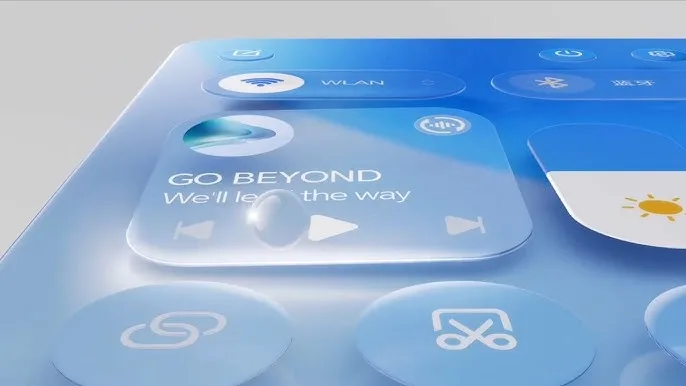
The main UI has also been overhauled with transparent parts, blurred backgrounds, and redesigned app icons. Users receive new styles on the lock screen, like as live effects and AI-generated wallpapers.
Additionally, Xiaomi promises enhanced usability and performance. Multitasking and app switching are stated to be snappier, while overall responsiveness is quicker.
Permission limits and improved data protection have improved security. In other areas, HyperOS 3.0 provides closer connection with Xiaomi’s wider range of products.
At the company’s first Global Developer Conference in Shenzhen, China, HONOR unveiled its most recent MagicOS 10 version, which is based on Android 16.
The business is integrating its enhanced HONOR AI Connect platform with its new 1x3xN ecosystem technology with the HONOR MagicOS 10.
This new framework will make their AI stack available to partners worldwide (the “1”), assist them with three enablement tasks (the “3”), and scale across various industry clusters (the “N”), such as office and education, wearables and audio, smart homes, toys, and pets.
The new MagicOS represents a “multi-dimensional jump from a conventional OS to a real AI OS,” according to HONOR.
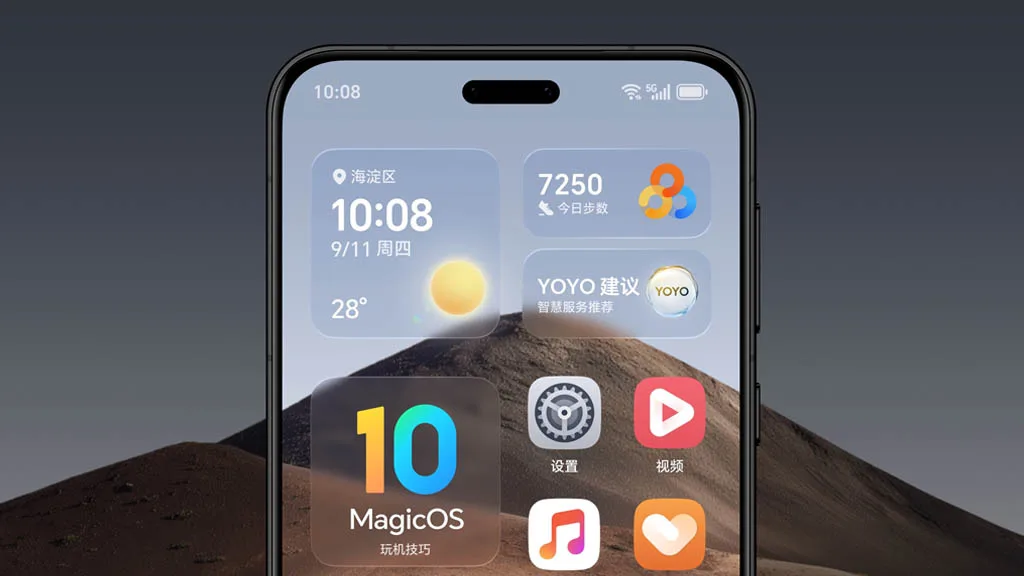
The enhanced YOYO helper, which is driven by MagicLM 3.0 and can now “see, recall, and execute,” is a significant new feature.
With only one swipe, users will be able to ask YOYO to manage routine chores and workflows. Food ordering, shopping, ride-hailing, Magic Color color grading, and sophisticated command-based image editing are some of these casks.
Additionally, it will provide smooth pairing and transfers across HONOR devices, other Android phones, iOS, and Windows.
It will also feature a brand-new Zero Gravity Transparency Design. It will have translucent visual effects that strike a compromise between performance and aesthetics, just like the upcoming iOS 26.
These are the new MagicOS update’s primary features. Will your gadget receive it, though? The complete list of devices that qualify is provided below.