Category: other

  • Nvidia develops tracking software to monitor Blackwell AI chip locations

    Nvidia develops tracking software to monitor Blackwell AI chip locations

    Powerful chips, which fuel AI tools, travel across borders and supply lines before arriving at the systems that rely on them. Thus, the industry takes notice when rumors indicate that Nvidia’s latest Blackwell chips are showing up in unexpected locations. Customers, businesses, and governments all want to know where these chips are really going.

    According to recent reports, Nvidia is testing software that can verify the position of a chip, which raises this problem. Nvidia has developed a system that monitors a chip’s performance and connection to Nvidia’s servers, according to Reuters. The location of the chip can be inferred from minute delays or patterns in its telemetry. According to reports, the capability will launch with Blackwell chips and be optional for users.

    Nvidia trials location-verification software
    nvidia ban in china

    This problem was brought to light by two recent events. Blackwell is not included in the carveout that was granted permission to sell some older H200 chips to authorized clients in China. Nvidia believes it is unable to confirm stories that connected China-based models, such as DeepSeek, to Blackwell chips that were smuggled. When combined, these incidents brought up fresh concerns regarding enforcement and distribution.

    In the meanwhile, there are significant incentives for illegal trade due to limitations on particular chip families and the skyrocketing economic value of high-end CPUs. Manufacturers and regulators can use a location-verification tool to verify whether hardware regulations are being adhered to.

    However, the concept operates in a challenging area where user privacy, economic interests, and security coexist. Clear public criteria about data storage, checks, and what happens if a chip emerges in an inappropriate environment are necessary for the system to function and be accepted by Nvidia and its clients.

    Ultimately, control and trust are more important in Nvidia’s testing than surveillance. Advanced AI model chips are simply too valuable to be left unmonitored, and a tool that verifies their usage might prevent smuggling, safeguard consumers, and promote compliance in a market that moves quickly.

  • Russia edges closer to blocking Google as internet regulations tighten

    Russia edges closer to blocking Google as internet regulations tighten

    As it steps up efforts to control the nation’s digital domain, Russia is thinking of completely blocking all Google services. The formal proposal comes after lawmakers issued further cautions. They contend that there may be a national security danger associated with Google’s handling of user data. The likelihood of a total ban keeps growing as hostilities between the government and the tech behemoth worsen.

    Russia considers countrywide ban on Google services

    According to Russian legislator Andrei Svintsov, Google services could be blocked by the government because the country’s citizens’ data is currently being held elsewhere. He contends that Russia and its economy are seriously threatened by the storage of citizens’ data abroad. He goes on to say that it could lead to future penalties and allow foreign monitoring of domestic businesses.

    Svintsov had previously attacked Google-owned sites, speculating that following recent service interruptions, even Google Meet would be banned. He is still in favor of the Russian government’s insistence that international companies keep local residents’ data inside their borders. They are adamantly opposed to user data being stored abroad.

    New restrictions risk deepening digital isolation in the state

    Stricter measures are on the horizon, as evidenced by the presentation of a new bill in the State Duma to reinforce regulations governing the transfer of personal data overseas. The goal, according to the MPs, is to apply a gentle pressure that “encourages” US tech firms to completely withdraw from the Russian market. The nation has already prohibited a number of other well-known websites and applications. To access these platforms, citizens must use VPNs.

    The goal of the Russian government is to improve internal control nationwide. Recently, authorities have imposed restrictions on access to a number of Western platforms, such as Roblox, FaceTime, and Snapchat, on the grounds that they carry extremist content or facilitate dangerous acts. Additionally, a complete ban on WhatsApp was recently threatened. The government’s current course suggests further state control and greater digital isolation.

  • Xiaomi silently discontinues software updates for two models

    Xiaomi silently discontinues software updates for two models

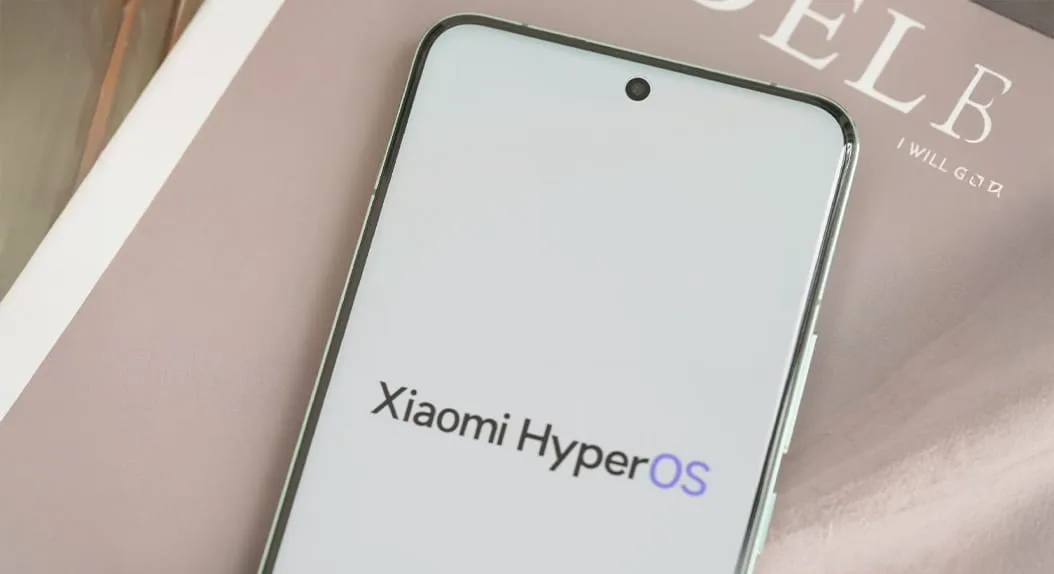
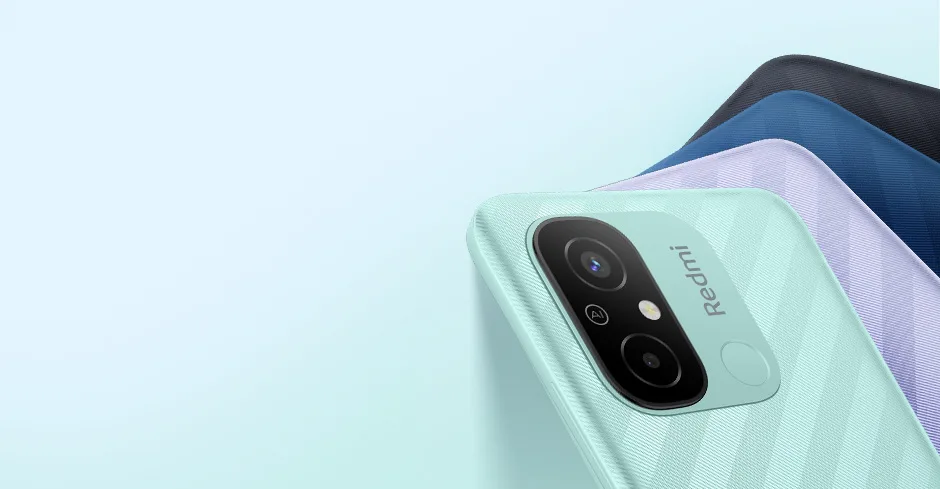
    Xiaomi has quietly stopped supporting software updates for the Redmi 12C and its international counterpart, the POCO C55. No new firmware, including HyperOS 2, has been released in the last two months, and the devices were last updated with the October 2025 security patch. These devices are anticipated to become officially EOL in February 2026, according to Xiaomi’s internal software roadmap.

    Redmi 12C and POCO C55 are being retired organically

    Why these devices eeached EOL

    For its entry-level series, Xiaomi has clear updating policies. The POCO C55 and Redmi 12C were marketed as reasonably priced smartphones designed for everyday use, typically with shorter support cycles.

    Each device finished its usual update window with HyperOS maintenance releases and Android fixes prior to hitting EOL. This change is intended to allow Xiaomi to focus attention on more recent models and maintain system stability throughout the ecosystem.

    Expected End of Life Timeline

    • Last update: October 2025 security patch
    • No updates released: November–December 2025
    • Official EOL: Scheduled for February 2026
    • Affected models:
      • Redmi 12C (China)
      • POCO C55 (Global)

    What you can do if you device reached EOL

    Users can still improve device stability by updating compatible system apps even after system firmware updates have ceased. Xiaomi smartphone owners have two reliable options:

    Recommended Update Channels

    • HyperOSUpdates.com: provides direct links to Xiaomi system app packages.
    • MemeOS Enhancer app on Google Play – allows users to update system apps, enable hidden features of Xiaomi, and manage interface components smoothly.

    EOL does not automatically affect device functionality, and users may still experience adequate performance for daily tasks.

    With smartphones that offer increasingly better performance and longer support cycles, Xiaomi continues to broaden its selection of reasonably priced products. As part of the broader shift to the enhanced environment offered by HyperOS and more efficient update delivery, devices like the Redmi 12C and POCO C55 are being retired organically. A more explicit software policy is anticipated in upcoming budget releases.

  • Android 16 December update brings major upgrades to Google Pixel devices

    Android 16 December update brings major upgrades to Google Pixel devices

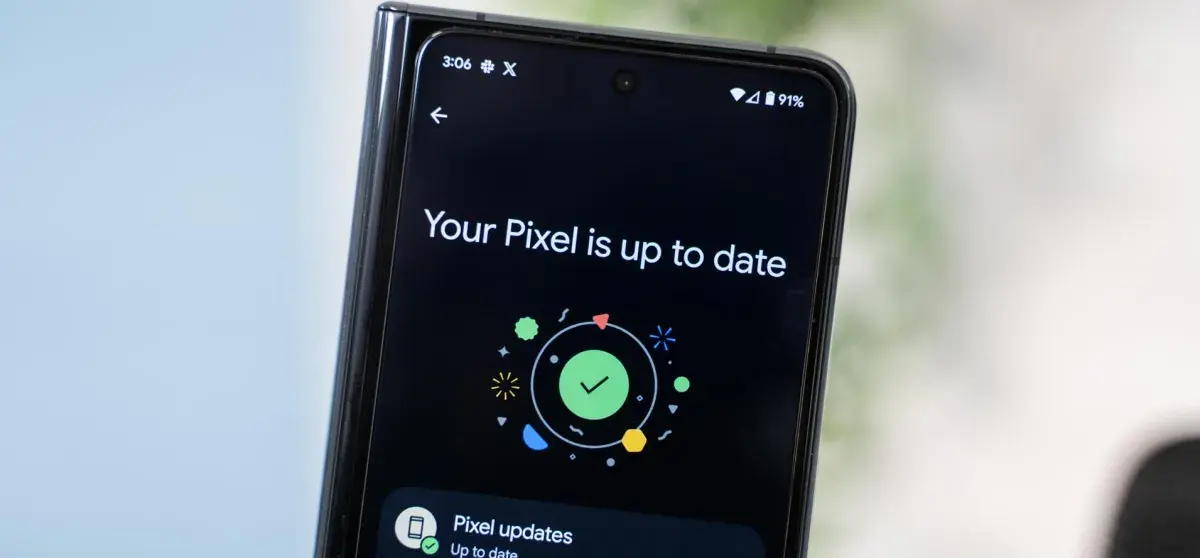
    Android 16 QPR2 has made Google’s Pixel smartphones safer and smarter. Discover why you should get this update immediately, including new lock screen widgets, AI-powered notifications, and an essential security fix.

    Google is finally releasing Android 16 QPR2 to compatible Pixel devices after much testing. Based on the most recent version of Android, this is the second quarterly release. It offers well-considered features and modifications, much like the initial release. More significantly, it contains the security update from December, which fixes a number of worrisome vulnerabilities.

    The Pixel 10, Pixel 9, Pixel 8, Pixel 7, Pixel 6, Pixel Tablet, and Pixel Fold are all compatible with Android 16 QPR2. On my Pixel 9 Pro XL, the update is roughly 800 MB+ in size.

    Improved screen customizations

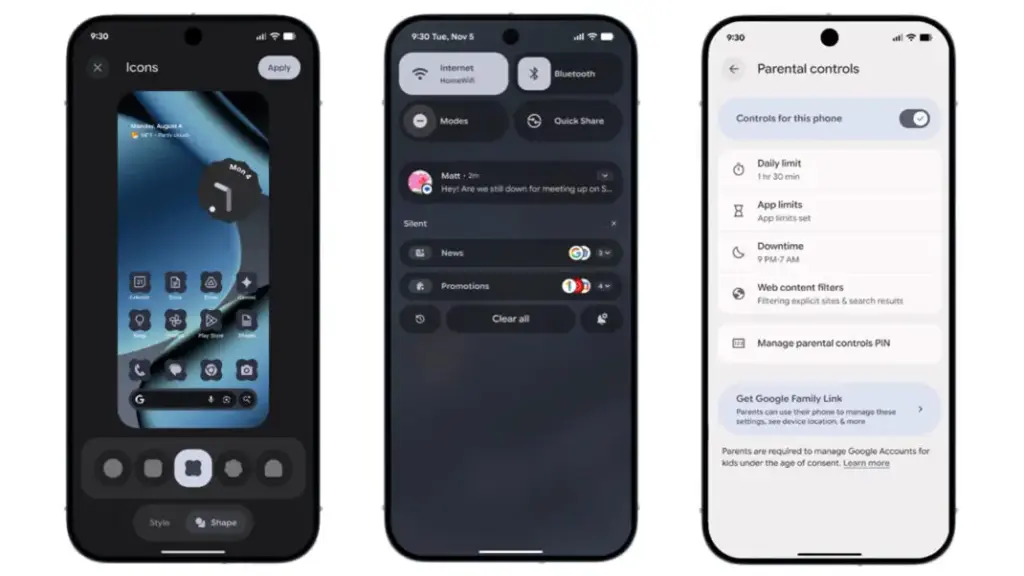
    Google is still improving Android 16 QPR2’s user interface. Users may now add new shape options for app icons on the home screen, such as circle, squircle, four-sided cookie, seven-sided cookie, and arch.

    android screen customization

    Additionally, users of Pixel phones now add widgets to the lock screen—a function that was previously exclusive to tablets. Although there are fewer widgets and layouts than on the home screen, you can still access them by swiping left on the lock screen.

    A new low-light setting for the screen saver, which turns on a dim clock in dull scenes to conserve battery life, is one of the other lock screen modifications. Furthermore, fingerprint scanning can now operate on a switched-off display without requiring the screen to be woken.

    We highlighted in the beta the ability to minimize or eliminate blur effects in background components like the quick settings and alerts panel. All users can now utilize this functionality. For better accessibility, blur can be disabled under the Color and Motion area and replaced with plain color.

    Expanded dark mode, which compels apps that don’t support dark themes to switch to dark mode, is another accessibility improvement. Better yet, you can program expanded dark mode to activate on its own.

    Additionally, Android 16 QPR2 has an upgraded HDR feature that allows you to change the HDR intensity. You can select brightness levels from dimmer to more vibrant using a slider.

    More usability and productivity

    In addition to 50:50, 70:30, and 30:70 ratios, the update offers a more adaptable split-screen arrangement that supports ratios like 90:10.

    Additionally, Google is adding two new features to its AI-powered notifications: a notification organizer and notification summary. While the organizer automatically organizes alerts in the panel, summaries condense lengthy messages from apps. The apps that are included can be customized by users. The Pixel 9 and more recent variants with Gemini Nano support these functionalities.

    Additionally, parental controls have been reinforced. More apps now allow parents to set secure PINs, set screen-time limits, plan downtime, and control timers right from the settings.

    Additional accessibility-related features include Expressive Captions, which are real-time captions in social media apps and video communications that are enhanced with emoticons and ambient sound overlays. Google has improved Circle to Search to allow users to flag and report problematic messages in order to fight spam and scams. Additionally, the new Call Reason function will alert suspected spam calls or classify calls according to urgency.

    New security patch

    The December security patch for Android 16 QPR2 addresses a number of issues. The update fixes vulnerabilities ranging from high to critical severity, some of which have already been exploited by attackers, according to Google’s security alert.

    In addition to the eye-catching new features, Pixel owners should apply this update right now to lower the chance of attacks and keep safe from threats.

    Other companies, including as Samsung, Xiaomi, and OnePlus, will also implement the December security patch, though the exact release date may differ.

  • This hidden Pixel feature can significantly boost battery life

    This hidden Pixel feature can significantly boost battery life

    Is this the end of battery issues on Pixel smartphones? The November update includes a power‑saving mode that employs the always‑on display to conserve energy, providing greater screen time for navigation and daily use. Here’s how it works.

    Compared to other competing smartphones, Pixel handsets are not known for having the best battery life. However, Google has progressively added intelligent features over the years to help stretch screen time. The most recent is a new Google Maps power-saving function that was added with the November update and is currently being made available to more Pixel 10 owners.

    How to save battery while using Google Maps

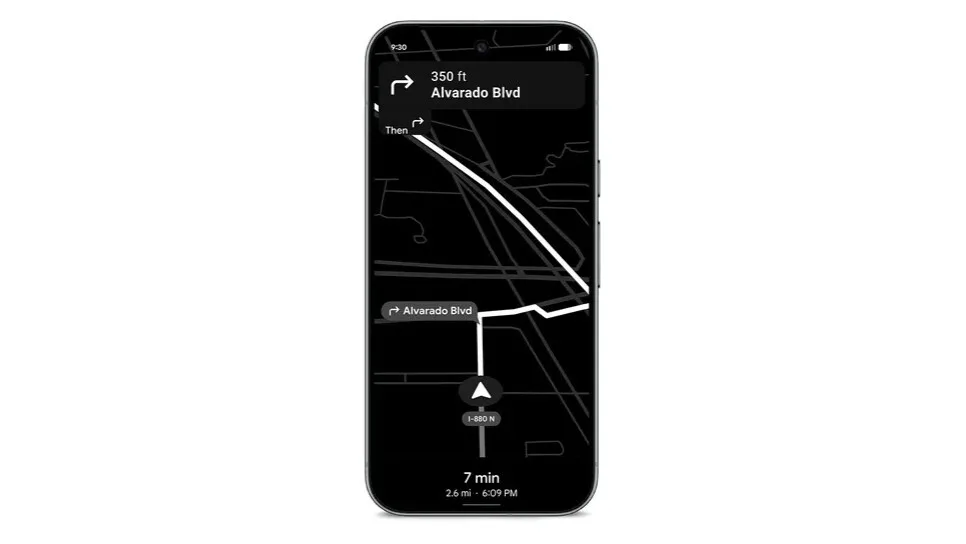
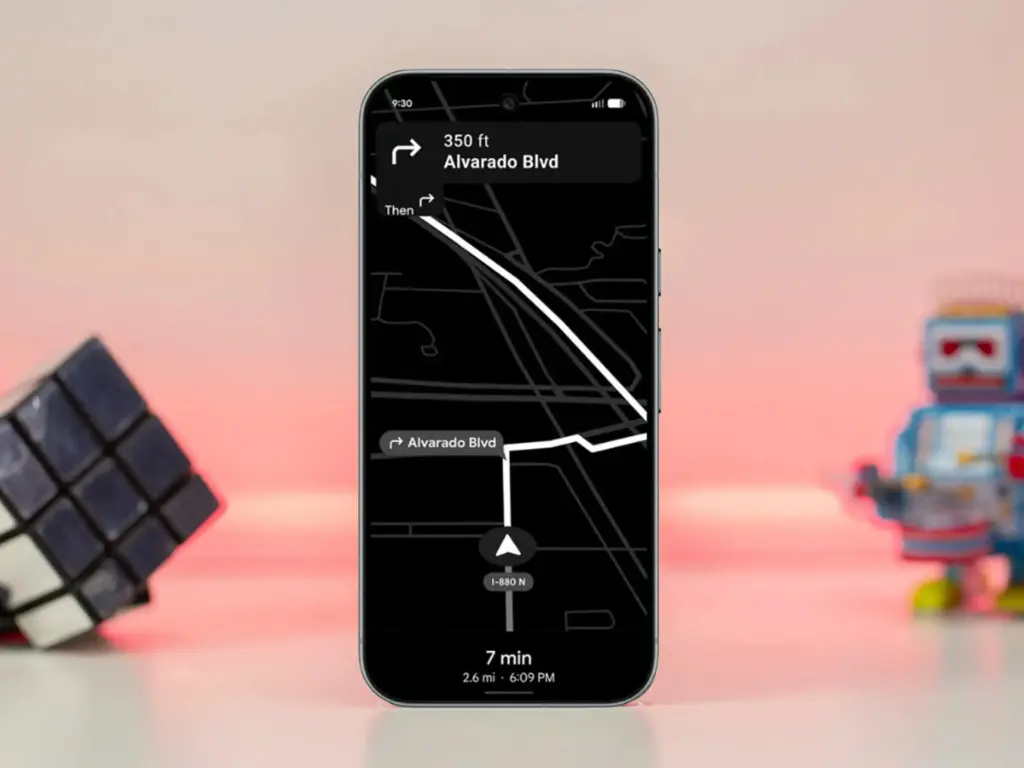
    The addition, as its name suggests, offers a power saver mode to Google Maps. In theory, it makes use of the Pixel 10’s always-on display when navigating. This saves battery compared to fully utilizing the normal OLED panel, since most elements transition to black and white with inactive pixels switched off.

    In addition, the mode lowers the screen refresh rate and brightness to further preserve power. Some UI components and metrics in Google Maps won’t be available when enabled, and only portrait orientation is supported.

    Google Maps Power Saver: how to turn it on

    If the feature is accessible on your Pixel 10 or Pixel 10 Pro, you’ll see a pop‑up card pointing you to the option in driving settings. Alternatively, you may manually activate it by going into Maps settings and finding it under driving choices.

    It’s unclear why Google is limiting the feature to the Pixel 10 series, especially given earlier versions like the Pixel 9 and Pixel 9 Pro use the same LTPO OLED displays. However, it’s feasible that Google will increase support later on.

    Google is also working on another battery‑saving feature for Pixel and Android devices: a smarter always‑on display that automatically shuts off when the device isn’t in use or after a specified duration.

  • Xiaomi 14 Ultra to receive HyperOS 3 update — main features detailed

    Xiaomi 14 Ultra to receive HyperOS 3 update — main features detailed

    HyperOS 3 is rumored to be under active development for Xiaomi 14 Ultra smartphones. Test servers have now marked the update as ready for release, indicating that it has reached the final stage, according to recent reports.

    The upgrade has already begun to arrive on Chinese Xiaomi 14 Ultra devices, and sources say the worldwide version is also ready for release. This Android 16-based upgrade is scheduled to begin spreading out before November ends.

    On internal servers, Xiaomitime found HyperOS 3 marked as distribution-ready. The worldwide build has the version OS3.0.3.0.WNAMIXM, tied to the Xiaomi 14 Ultra’s codename “Aurora,” with the status expressly described as “ready for stable rollout.” For comparison, the upcoming global build uses OS3.0.3.0.WNAMIXM, while the Chinese version debuted with OS3.0.4.0.WNACNXM.

    hyperos 143 update for xiaomi 14 ultra

    HyperOS 3 update for Xiaomi 14 Ultra: Key Features

    HyperOS 3 is supposed to feature a new UI with smoother animations and visual upgrades. The update focuses on minimizing stuttering and correcting battery-drain problems, while also delivering the latest security fixes and a powerful set of AI-powered capabilities.

    Instant access to real-time information and alerts is made possible by Xiaomi Super Island’s stronger integration with multimedia apps and system features. Revamped media management and creativity capabilities include a new dedicated pet album that automatically finds and arranges pet photographs and a revised watermark system and advanced editing suite.

    The option to drag music straight to share, facial recognition support for app-lock notifications, improved connectivity with Xiaomi Music and NetEase Cloud, and NFC card swipe notifications within Super Island are some further new features.

  • Stable HarmonyOS 6 now available — here are the supported Huawei devices

    Stable HarmonyOS 6 now available — here are the supported Huawei devices

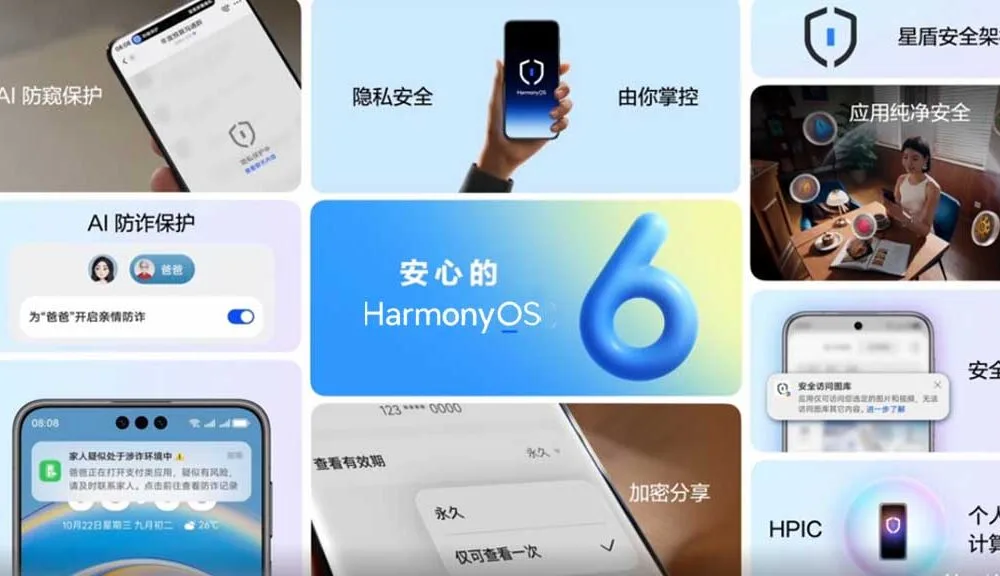
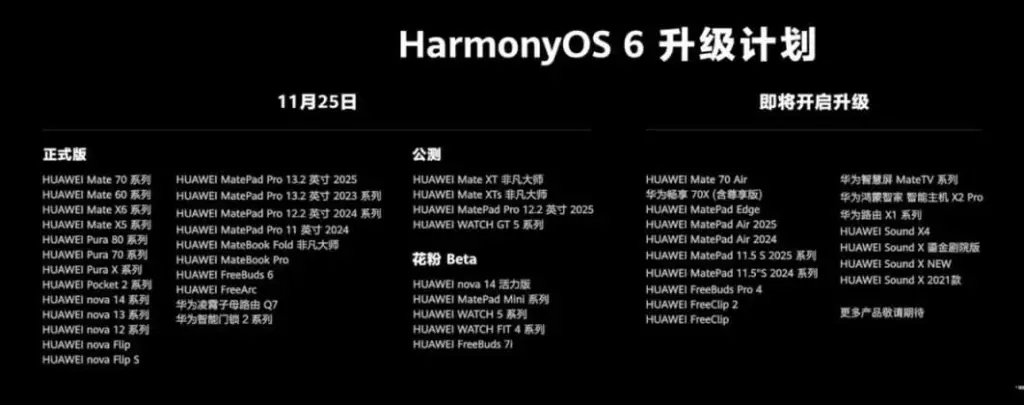
    For many smartphones, tablets, and smartwatches, Huawei has issued a stable HarmonyOS 6 software upgrade that gives consumers who weren’t in the beta program new features.

    With this new release, HarmonyOS has excelled in the quality mode, which means the upgrade focuses on fundamental issues such as performance and a better app experience.

    harmonyos 6 stable update

    HarmonyOS 6-powered Mate 80 Pro Max boasts up to 42% performance leap over the Huawei Mate 70 Pro+ (HarmonyOS 5). This leap is based on the chipset, because to the close coordination between software and hardware

    The software for earlier models, including flagship and mid-range handsets, has also been adjusted by the business. Therefore, we can expect some upgrades over the older version. Below, you can check all Huawei devices in the first batch receiving the stable HarmonyOS 6 software update.

    • Mate 70 series
    • Mate 60 series
    • Mate X6 series
    • Mate X5 series
    • Pura 80 series
    • Pura 70 series
    • Pura X series
    • Pocket 2 series
    • Nova 14 series
    • Nova 13 series
    • Nova 12 series
    • Nova Flip
    • Nova Flip S
    • MatePad Pro 13.2-inch 2025
    • MatePad Pro 13.2-inch 2023 Series
    • MatePad Pro 12.2-inch 2024 Series
    • MatePad Pro 11-inch 2024
    • MateBook Fold Ultimate Design
    • MateBook Pro
    • FreeBuds 6
    • FreeArc
    • Huawei Router Q7
    • Huawei Smart Door Lock 2 Series

    You should know that the software is being served for HarmonyOS 5 and HarmonyOS 6 beta users. Huawei formally declared that the total number of HarmonyOS 5 and 6 installations has surpassed 100,000 devices at the Mate 80 series launch event.

    Furthermore, the HarmonyOS operating system is supported by the app, which has over 300,000 programs and meta-services via the AppGallery platform. The Chinese market and consumers’ excitement for the most recent Huawei software updates have been the main drivers of this expansion.

  • Global debut for Honor Magic 8 Pro, but the standard variant is missing

    Global debut for Honor Magic 8 Pro, but the standard variant is missing

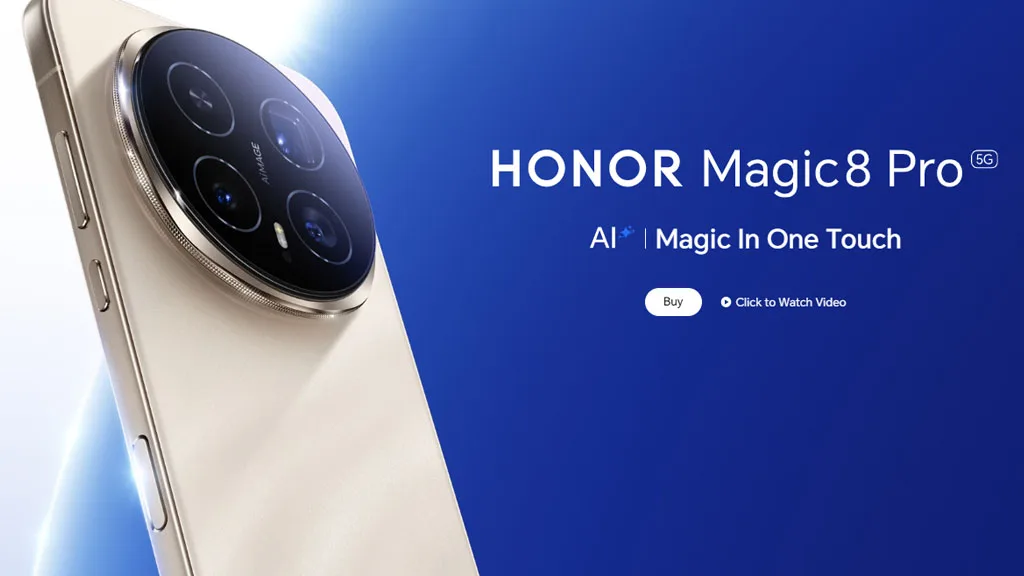
    Honor released the Magic 8 Pro smartphone globally, however there is no evidence of the regular version on the global store. Does it indicate the company has introduced the Magic 8 vanilla model only for its home-ground users?

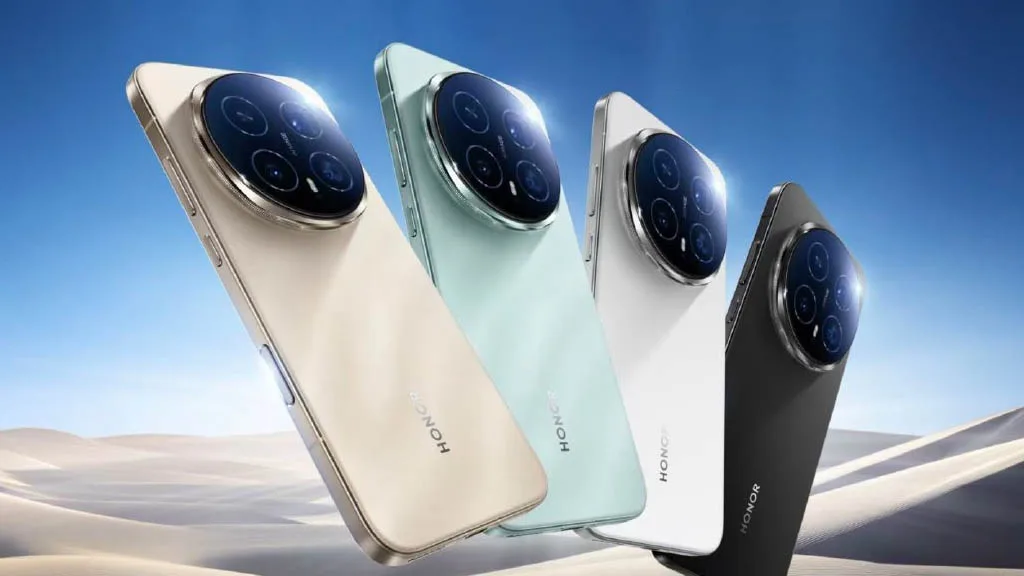
    Honor introduced the Magic 8 Pro globally on November 27. The device has been sold outside China in only three colors: Sunrise Gold, Sky Cyan, and Pure Black.

    The Magic 8 Pro offers the same slim-trim appearance as its Chinese counterpart. The Honor Magic 8 base model, however, is absent from the frame.

    Does the business have some further plans relating to this phone variant? Whether it will launch the appropriate item later in the market or won’t unveil it worldwide at all is a key question to be settled. Ahead of that, let’s study the global Magic 8 Pro.

    Global debut for Honor Magic 8 Pro

    Magic 8 Pro specs

    The Magic 8 Pro global edition weighs 219 grams and measures 161.15 x 8.32 x 75 mm. The gadget has a 6.71-inch OLED screen with 120Hz refresh rate, FHD+ resolution (1256 x 2808), max brightness of 6000 nits, and NanoCrystal Shield.

    The smartphone has an Adreno 840 GPU and a Snapdragon 8 Elite Gen 5 CPU. It has two RAM and storage versions (12GB + 512GB and 16GB + 1TB) and pre-installs the MagicOS 10 (Android 16) operating system.

    The Magic 8 Pro’s cameras include a 50MP ultra night camera (f/1.6 aperture, 1/1.3-inch, OIS, 4-in-1 2.4µm big pixel output), a 50MP ultrawide-angle camera with 122° wide angle and 2.5cm HD macro shooting, and a 200MP Ultra Night telephoto camera with 3.7x optical zoom and OIS.

    Honor has employed a 50MP selfie camera with a 3D depth sensor for facial recognition on the front face. It includes gorgeous photography settings like the telephoto night portrait to deliver magnificent photos with a delicate skin texture at night.

    Meanwhile, the Stage Mode ensures that it maintains up with the intricacy of the stage lights and catches character outlines with precision, irrespective of any backgrounds.

    Yes, the battery gets downgraded once more, but only little this time. The worldwide Magic 8 Pro smartphone includes a 7100mAh cell pack with a 100W wired and 80W wireless speedy charging. The rest of the specs are the same as the Chinese edition.

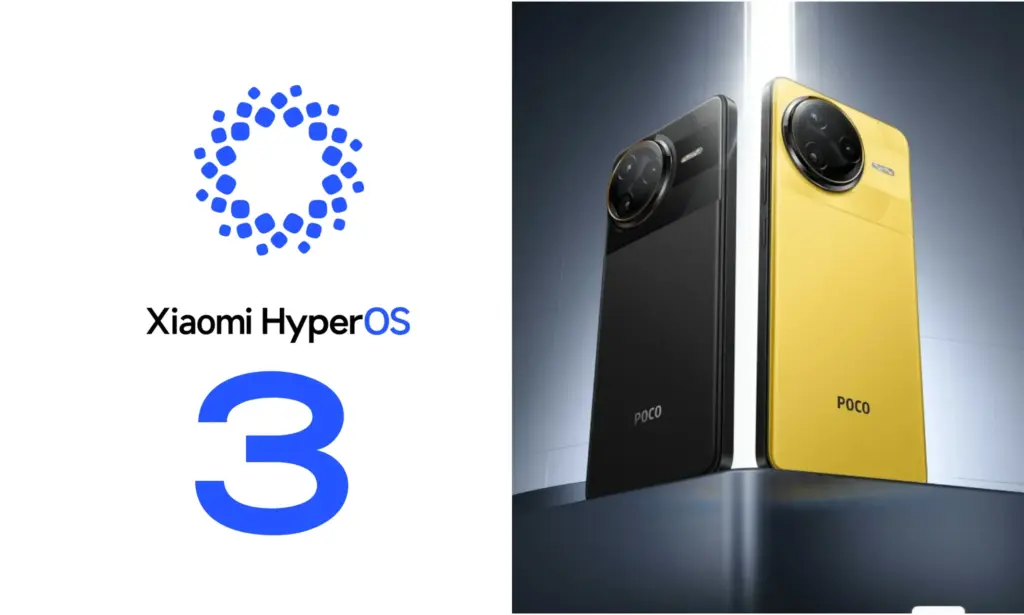
  • HyperOS 3: Xiaomi Confirms Poco Phones Eligible for the Android 16 Update

    HyperOS 3: Xiaomi Confirms Poco Phones Eligible for the Android 16 Update

    Xiaomi is closing out the year with fresh Poco flagships and a huge HyperOS 3.0 update based on Android 16. From new phones to a revised UI, here’s what’s rolling out and when you can expect it on your smartphone.

    Xiaomi has more phones to release this year. The worldwide versions of the Poco F8 Pro and F8 Ultra were just released. The company has revised the HyperOS 3.0 deployment schedule, which is now expected to reach over a dozen Poco phones and tablets, in tandem with the surge of new hardware.

    The new Poco F8 Pro and Poco F8 Ultra flagships ship with Android 16 out of the box. Other models will be released on a staggered schedule.

    Xiaomi Confirms Poco Phones Eligible for the Android 16 Update

    Which Poco devices are confirmed to get HyperOS 3.0

    For the initial group of Poco devices, the deployment started in October and will last until the end of November. The Poco F7 and X7 series from the previous year, including its Ultra variants, are at the top of the list. Some users outside China have already reported receiving the software. However, it’s not uncommon for other devices to only receive notifications in the upcoming days, depending on variations.

    The Poco F6 (Pro), Poco X6 Pro, Poco M7, Poco M6 (Pro), and Poco C75 will lead the following batch in December.

    Between December 2025 and March 2026, a broader release that includes the Poco F5 (Pro), Poco X6, Poco M7 Pro, and Poco C85 is scheduled. Poco’s Android tablets, such as the Poco Pad, Poco Pad X1, and Poco Pad M1, will join these. Regretfully, Xiaomi has not disclosed the timing for every device.

    What’s new in HyperOS 3.0?

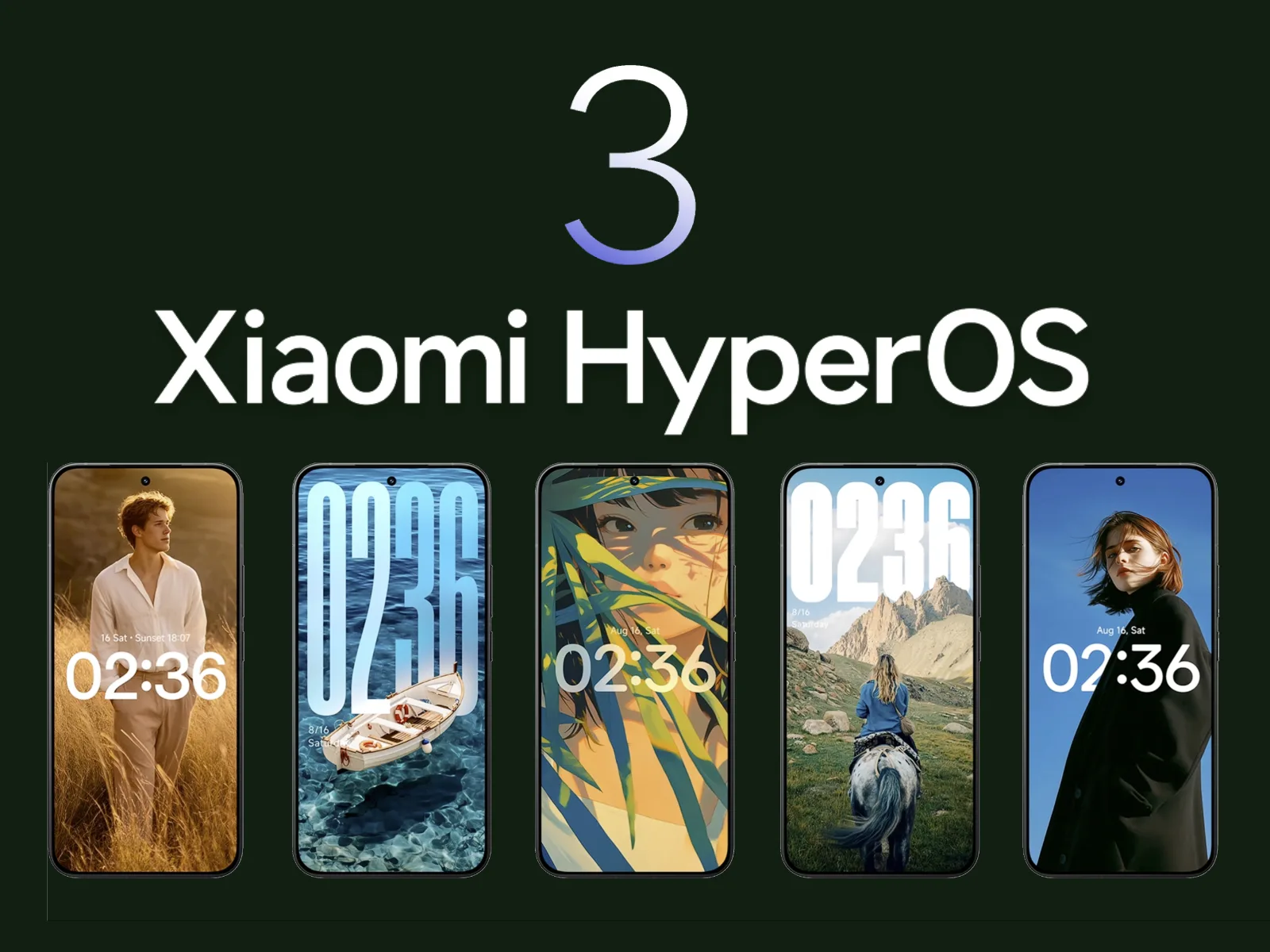
    HyperOS 3.0 is built on Android 16, which adds its own set of new features and customizations. Xiaomi’s version offers a substantial user interface overhaul, increased security, and superior optimization for longer battery life and smoother performance.

    The most noteworthy graphic modification is Super Island, inspired by iOS’s Dynamic Island. As a native feature of Android 16, it is integrated into the punch-hole camera region and shows live updates and dynamic widgets.

    The main UI has also been overhauled with transparent parts, blurred backgrounds, and redesigned app icons. Users receive new styles on the lock screen, like as live effects and AI-generated wallpapers.

    Additionally, Xiaomi promises enhanced usability and performance. Multitasking and app switching are stated to be snappier, while overall responsiveness is quicker.

    Permission limits and improved data protection have improved security. In other areas, HyperOS 3.0 provides closer connection with Xiaomi’s wider range of products.

  • Huawei Mate 70 Air’s Battery Outperforms Galaxy S25 Edge and iPhone Air

    Huawei Mate 70 Air’s Battery Outperforms Galaxy S25 Edge and iPhone Air

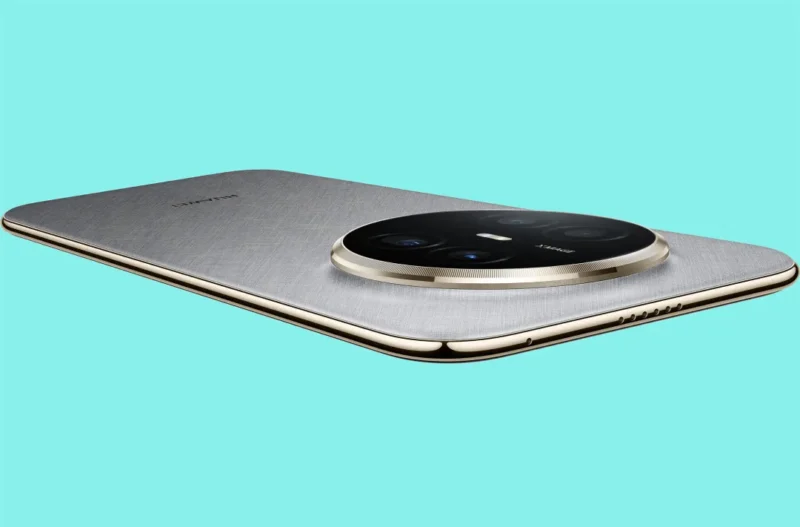
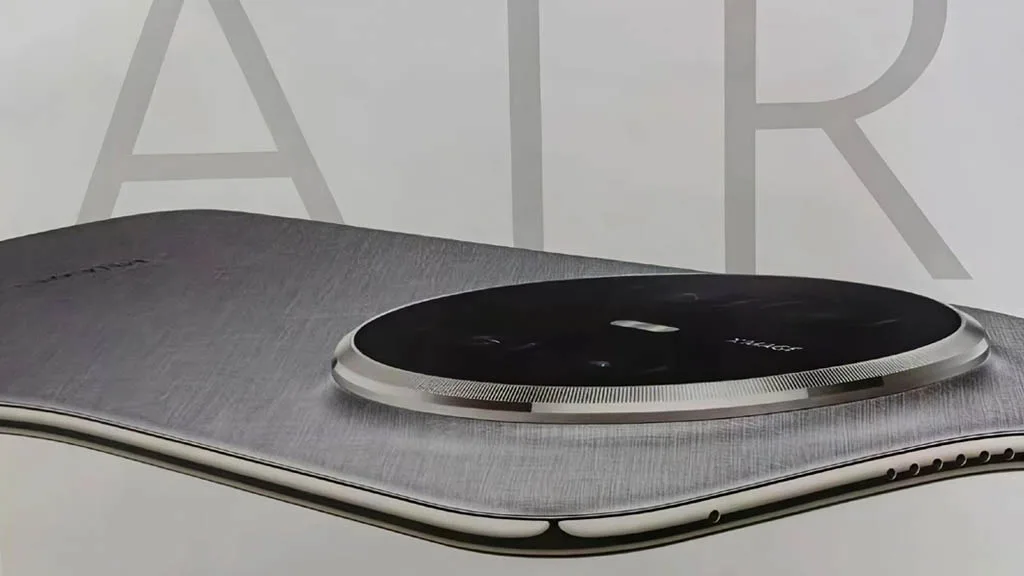
    In the battery war, the Huawei Mate 70 Air has defeated the iPhone Air and the Galaxy S25 Edge. The gadget has performed exceptionally well in the area where most brands attempt to make compromises in favor of appearance, although it may be a few millimeters behind in the battle for slimness.

    One of the device’s most crucial components is the battery. If it’s a decent one, you won’t have to worry about using a charger for a few days. However, a low-density cell hinders your enjoyment in addition to using more power.

    Samsung and Apple devices have excellent features and specifications. However, the battery life is something that these firms are continuously working to improve.

    Huawei Mate 70 Air comes with a huge battery

    Huawei Mate 70 Air’s Battery Outperforms Galaxy S25 Edge and iPhone Air

    Apple and Samsung are unable to incorporate a higher-density battery into their top phones despite no technological limitations. The batteries of phones such as the Galaxy S25 Ultra and the iPhone 17 Pro Max are 5000mAh and 4823mAh, respectively.

    Therefore, it is unrealistic to expect these brands’ thin gadgets to have larger battery capacities. Slimness frequently results in less space for the device’s internal parameters.

    Therefore, in order to achieve that ideal tiny profile, tech manufacturers must either reduce the battery capacity or other specifications like camera sensors and more.

    It’s interesting to note that the Huawei Mate 70 Air has demonstrated to the manufacturers of the iPhone and Galaxy that a handset can still have a huge battery while still maintaining its thin form.

    A 6500mAh ultra-thin silicon-carbon anode battery powers the Mate 70 Air’s remarkable battery life. Additionally, it offers a 66W fast cable charger that quickly charges the tablet without interfering with your video or gaming.

    As a result, the Huawei Mate 70 Air smartphone offers flagship-quality battery life in addition to a fully functional experience. You can choose between a thin model with a full power pack or one that is only skinny.